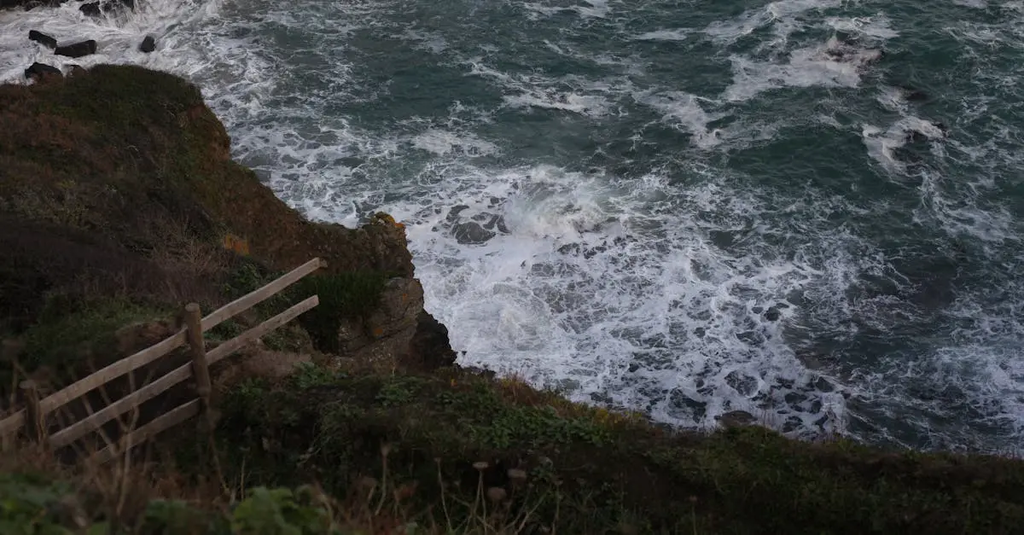
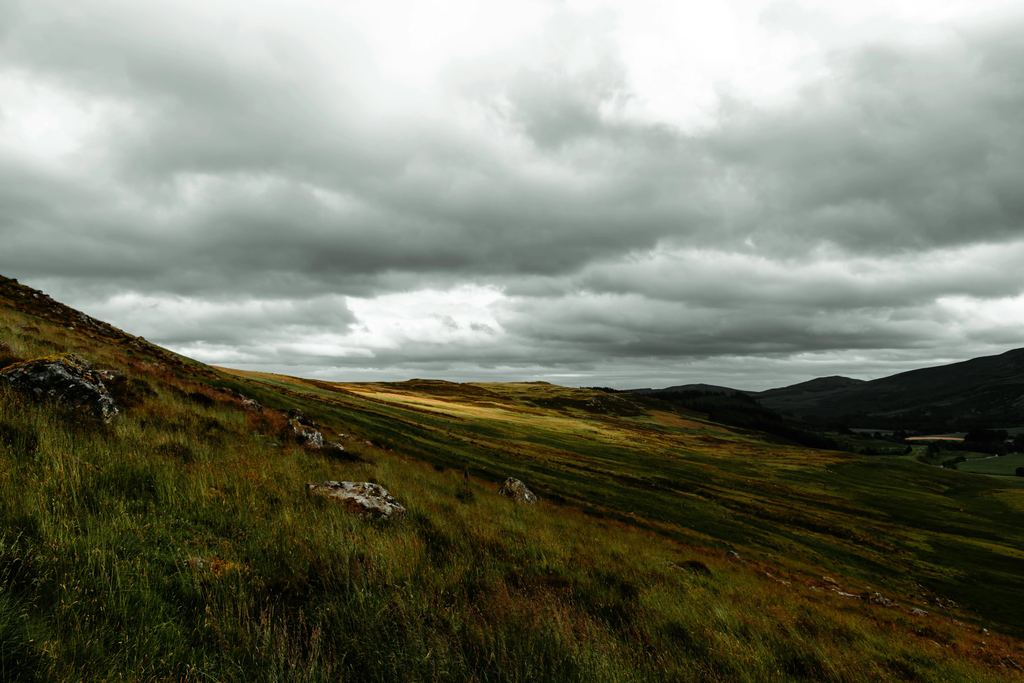
Glaciated landscapes of the UK refer to areas shaped by glaciers during the last Ice Age. These regions feature dramatic landforms such as U-shaped valleys, corries, arêtes, and moraines. Notable examples include the Lake District, Scottish Highlands, and Snowdonia. The movement of ice sculpted the terrain, leaving behind rugged mountains, deep lakes, and distinctive rock formations that define much of the UK’s natural scenery today.
Glaciated landscapes of the UK
Glaciated landscapes of the UK refer to areas shaped by glaciers during the last Ice Age. These regions feature dramatic landforms such as U-shaped valleys, corries, arêtes, and moraines. Notable examples include the Lake District, Scottish Highlands, and Snowdonia. The movement of ice sculpted the terrain, leaving behind rugged mountains, deep lakes, and distinctive rock formations that define much of the UK’s natural scenery today.
💡 Key Takeaways
- Identify key glacial landforms in the UK (U-shaped valleys, corries, arêtes, moraines) and explain how ice created each feature.
- Name famous UK glaciated regions—Lake District, Scottish Highlands, Snowdonia—and describe how glaciation shaped their landscapes.
- Explain how the movement and melting of glaciers during the last Ice Age sculpted the UK's topography.
- Discuss how glacial landscapes influence present-day scenery, tourism, and land use in the UK.
❓ Frequently Asked Questions
What are glaciated landscapes?
Landscapes shaped by glacier movement, featuring erosion and deposition features such as valleys, hollows, ridges, and piles of rock debris.
What is a U-shaped valley?
A wide, straight-sided valley formed by glacier erosion, distinct from river valleys which are V-shaped.
What are corries (cirques) and arêtes?
A corrie (cirque) is a bowl-shaped hollow at a mountain head created by a glacier; an arête is a sharp ridge formed between two glacier-filled valleys.
What are moraines?
Ridges or mounds of rock debris deposited by a glacier as it advances or retreats, indicating its former extent.
Where in the UK can you see glaciated landscapes?
Notable regions include the Lake District (England), the Scottish Highlands, and Snowdonia (Wales), home to U-shaped valleys, corries, arêtes, and moraines.