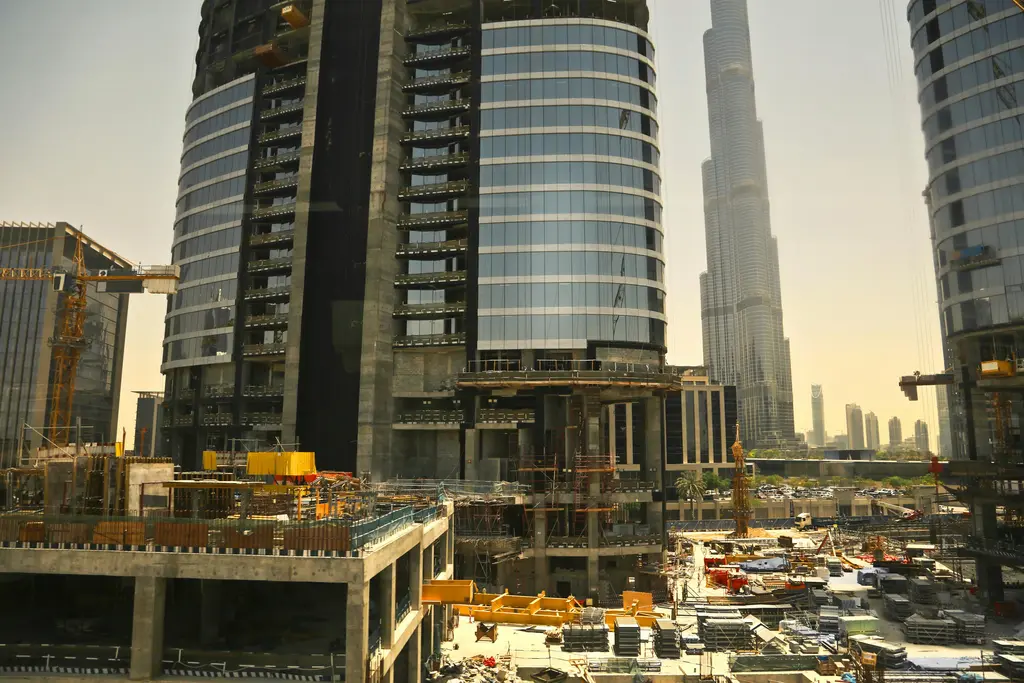
Global construction challenges refer to the complex issues faced by the construction industry worldwide, including resource scarcity, environmental concerns, regulatory differences, labor shortages, and technological advancements. The construction environment is shaped by factors such as climate change, urbanization, and economic fluctuations, which demand sustainable practices and innovative solutions. Navigating these challenges requires adaptability, international collaboration, and a commitment to safety, efficiency, and environmental stewardship across diverse geographic and regulatory landscapes.
Global Construction Challenges+50
Global construction challenges refer to the complex issues faced by the construction industry worldwide, including resource scarcity, environmental concerns, regulatory differences, labor shortages, and technological advancements. The construction environment is shaped by factors such as climate change, urbanization, and economic fluctuations, which demand sustainable practices and innovative solutions. Navigating these challenges requires adaptability, international collaboration, and a commitment to safety, efficiency, and environmental stewardship across diverse geographic and regulatory landscapes.
💡 Key Takeaways
- Identify major global construction challenges (supply chains, labor shortages, financing, regulations) and their impact on cost and schedule.
- Explain how sustainability and climate resilience requirements shape design, materials, and energy use.
- Describe risk management strategies to reduce delays, overruns, and safety incidents.
- Understand how digital tools (BIM, analytics, IoT) improve planning, monitoring, and quality on international projects.
❓ Frequently Asked Questions
What are the main global factors driving construction challenges today?
Material price volatility, labor shortages, supply chain disruptions, regulatory changes, and climate-related risks all contribute to delays and higher costs.
How do supply chain issues affect construction projects?
They cause longer lead times, material shortages, schedule delays, and unexpected price increases.
What strategies help mitigate global construction challenges?
Early procurement, diversification of suppliers, modular or prefabricated construction, value engineering, and robust risk management.
Why is sustainable and resilient design important in global construction?
It reduces environmental impact, helps meet regulations, enhances resilience to extreme weather, and can lower lifecycle costs.