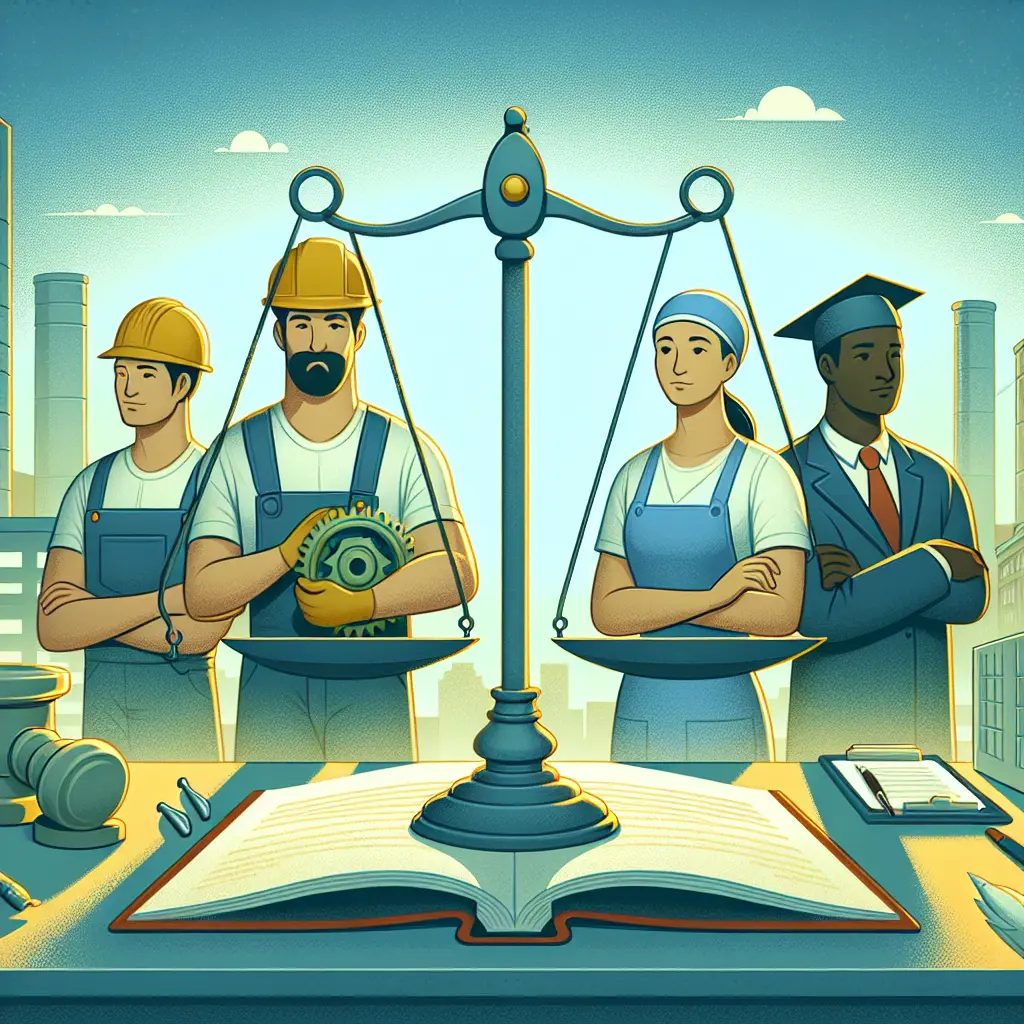
Global governance refers to the cooperative leadership, policies, and frameworks established by multiple countries to address worldwide challenges such as climate change, security, and economic stability. Multilateral institutions are organizations composed of several nations, like the United Nations, World Bank, or World Health Organization, that facilitate dialogue, coordination, and collective action. Together, they aim to promote peace, development, and international cooperation by setting standards, resolving conflicts, and managing global issues beyond the capacity of individual countries.
Global Governance & Multilateral Institutions
Global governance refers to the cooperative leadership, policies, and frameworks established by multiple countries to address worldwide challenges such as climate change, security, and economic stability. Multilateral institutions are organizations composed of several nations, like the United Nations, World Bank, or World Health Organization, that facilitate dialogue, coordination, and collective action. Together, they aim to promote peace, development, and international cooperation by setting standards, resolving conflicts, and managing global issues beyond the capacity of individual countries.

💡 Key Takeaways
- Define global governance and how international cooperation addresses climate change, security, and economic stability.
- Identify major multilateral institutions (e.g., the United Nations, World Bank, IMF) and summarize their core roles.
- Explain how international agreements are negotiated, adopted, and implemented across member states.
- Describe common challenges to multilateralism (sovereignty, power imbalances, compliance) and reforms to improve effectiveness.
❓ Frequently Asked Questions
What is global governance?
The cooperative leadership and policy framework used by many countries and international actors to address global problems like climate, security, and trade; it’s not a single world government.
What are multilateral institutions?
Organizations formed by three or more countries to coordinate policies, share resources, and provide support or dispute resolution (examples: United Nations, IMF, World Bank, WTO).
How do these institutions help with global challenges?
They establish rules, pool financing, coordinate actions, monitor progress, and support the implementation of international agreements.
How does international law relate to global governance?
International law provides binding rules between states; global governance includes those rules plus the institutions and processes that create and enforce them.
Can you name a few examples of multilateral institutions and their focus?
United Nations (peace, security, development), IMF (financial stability and exchange rates), World Bank (development and poverty reduction), WTO (global trade rules).