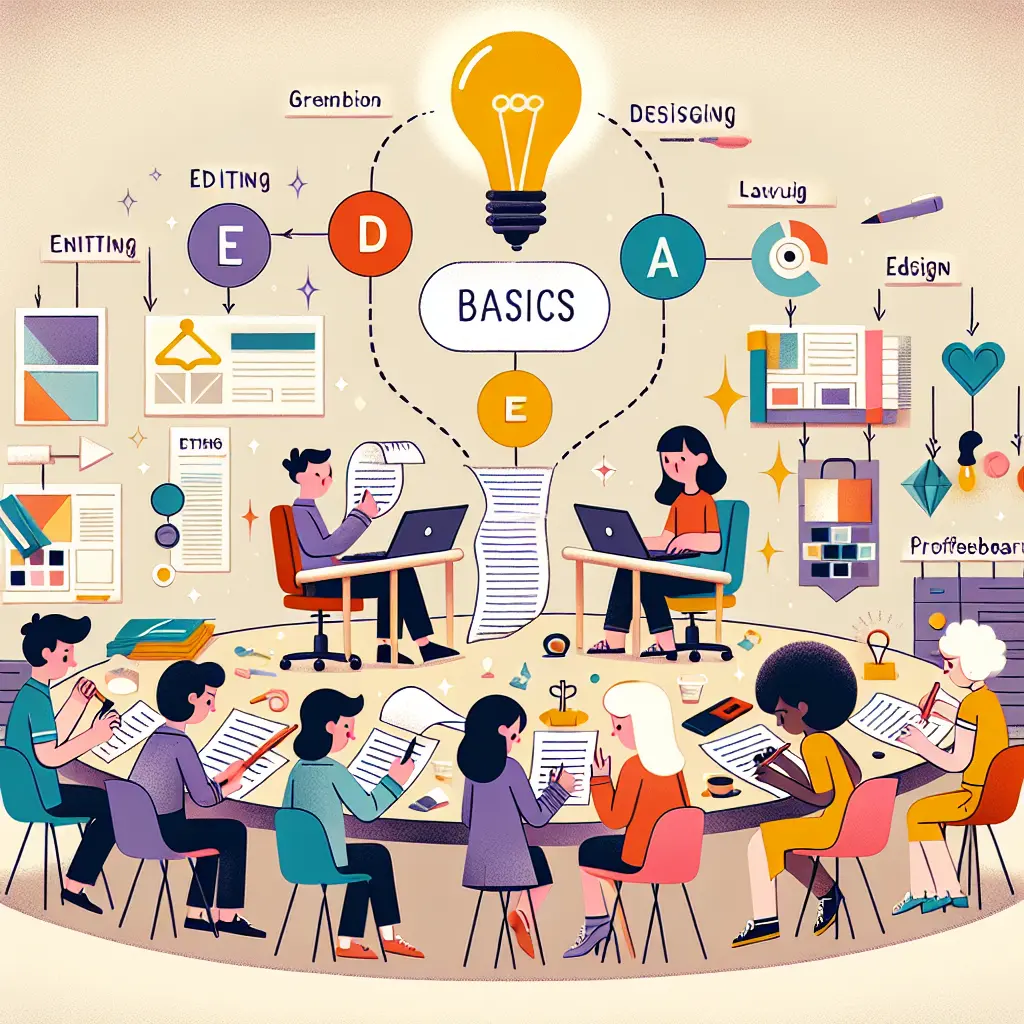
Global Literary Networks and Circulation refers to the interconnected systems through which literary works, authors, and ideas move across national and cultural boundaries. These networks facilitate the translation, publication, and reception of literature worldwide, enabling diverse voices to reach broader audiences. Such circulation shapes literary trends, influences cultural exchange, and fosters dialogue between different literary traditions, contributing to a more interconnected and dynamic global literary landscape.
Global Literary Networks and Circulation
Global Literary Networks and Circulation refers to the interconnected systems through which literary works, authors, and ideas move across national and cultural boundaries. These networks facilitate the translation, publication, and reception of literature worldwide, enabling diverse voices to reach broader audiences. Such circulation shapes literary trends, influences cultural exchange, and fosters dialogue between different literary traditions, contributing to a more interconnected and dynamic global literary landscape.
💡 Key Takeaways
- How global networks move literature across borders through translation, publishing, and distribution.
- The roles of authors, translators, publishers, and readers in shaping reception and reach of works.
- How technology and digital platforms alter access, discoverability, and cross-cultural readership.
- Common challenges and dynamics in global circulation, including censorship, copyright, funding, and cultural gatekeeping.
❓ Frequently Asked Questions
What is meant by global literary networks and circulation?
It refers to the interconnected systems that move books, authors, and ideas across borders, enabling translation, publication, distribution, and reception worldwide.
How do translation and publishing affect global reach?
Translation makes works accessible in other languages, while publishing networks and publishers shape which titles are funded, printed, and distributed to new reader audiences.
Who are the main actors in these networks?
Authors, translators, editors, publishers, agents, bookstores, libraries, critics, media, educators, and online platforms all play roles in circulating literature.
What are common challenges and opportunities in global circulation?
Challenges include copyright, censorship, funding gaps, and regional dominance; opportunities include digital distribution, open access, cross-cultural collaborations, and translations that reach diverse readers worldwide.