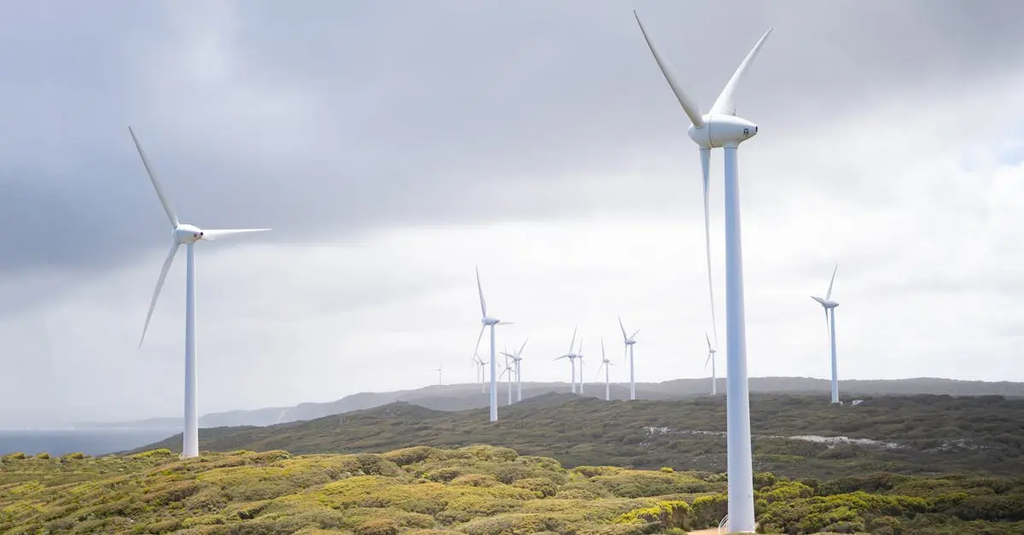
"Global Pathways to 1.5°C and 2°C" refers to the strategies and actions the world must take to limit global temperature rise to 1.5°C or 2°C above pre-industrial levels, as outlined in the Paris Agreement. These pathways involve reducing greenhouse gas emissions, transitioning to renewable energy, enhancing energy efficiency, and implementing sustainable land use practices to mitigate climate change and avoid its most dangerous impacts.
Global Pathways to 1.5°C and 2°C
"Global Pathways to 1.5°C and 2°C" refers to the strategies and actions the world must take to limit global temperature rise to 1.5°C or 2°C above pre-industrial levels, as outlined in the Paris Agreement. These pathways involve reducing greenhouse gas emissions, transitioning to renewable energy, enhancing energy efficiency, and implementing sustainable land use practices to mitigate climate change and avoid its most dangerous impacts.

💡 Key Takeaways
- Explain the 1.5°C vs. 2°C targets and why keeping within these limits matters for climate, health, and ecosystems.
- Identify the key actions to close the emissions gap, including expanding renewables, boosting energy efficiency, electrification, and sector decarbonization.
- Describe how international policy, carbon pricing, and technology innovation shape Paris-aligned pathways.
- Discuss challenges and equity considerations in implementation, including finance, reliability, land use, and potential reliance on negative emissions.
❓ Frequently Asked Questions
What do the 1.5°C and 2°C targets mean in climate policy?
They are global warming limits from the Paris Agreement. They aim to keep the average temperature rise since pre-industrial times below 1.5°C or 2°C, with 1.5°C being the more ambitious goal.
What are 'global pathways' to these targets?
They are scenarios that map the coordinated actions across sectors—energy, transport, industry, buildings, and land use—needed to cut greenhouse gas emissions to meet either target.
Which actions are central to achieving these pathways?
Rapid decarbonization: deploy renewable energy, improve energy efficiency, electrify transport and heating, protect and restore forests, reduce methane, and deploy carbon capture where appropriate; policy measures like carbon pricing help.
How does the Paris Agreement guide these pathways?
It provides the framework and ambition for countries to reduce emissions, submit nationally determined contributions (NDCs), and increase effort over time toward net-zero emissions through international cooperation.
What roles do technology and policy play in reaching the targets?
Technology lowers emissions (renewables, storage, low-carbon fuels, efficiency), while policy—pricing carbon, standards, and incentives—creates the necessary conditions for widespread action.