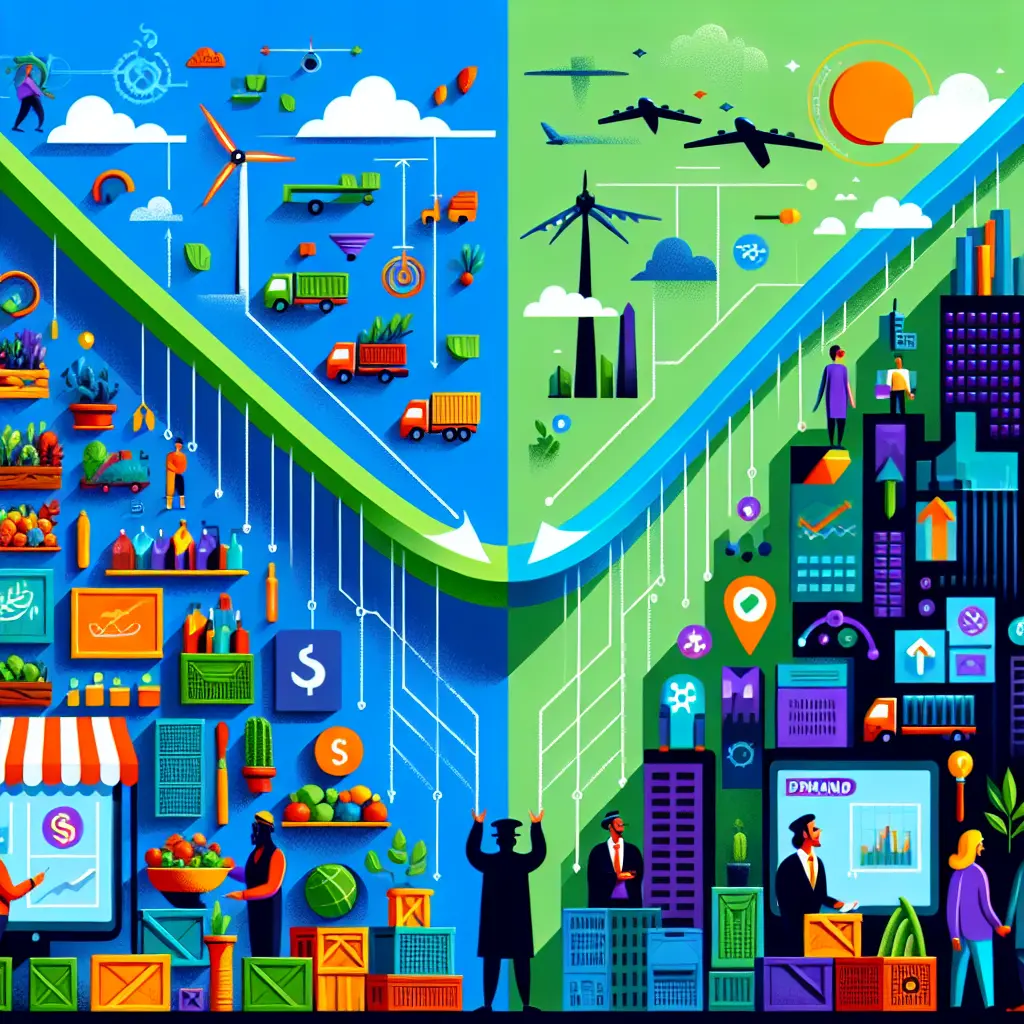
Global Trade Fundamentals refer to the essential principles and mechanisms that govern the exchange of goods and services across international borders. These include concepts such as comparative advantage, supply and demand, trade agreements, tariffs, quotas, and logistics. Understanding these fundamentals is crucial for businesses and policymakers to navigate the complexities of international markets, optimize resource allocation, and foster economic growth through efficient and mutually beneficial trade relationships between countries.
Global Trade Fundamentals+50
Global Trade Fundamentals refer to the essential principles and mechanisms that govern the exchange of goods and services across international borders. These include concepts such as comparative advantage, supply and demand, trade agreements, tariffs, quotas, and logistics. Understanding these fundamentals is crucial for businesses and policymakers to navigate the complexities of international markets, optimize resource allocation, and foster economic growth through efficient and mutually beneficial trade relationships between countries.
💡 Key Takeaways
- Understand the basics of global trade: imports, exports, and trade balances.
- Grasp comparative advantage and how specialization boosts efficiency in international markets.
- Identify common trade policies and tools (tariffs, quotas, trade agreements) and their impact on prices and access.
- Learn core cross-border trade basics (Incoterms, customs, logistics, and exchange rates) and how they affect cost and risk.
❓ Frequently Asked Questions
What is global trade?
Global trade is the exchange of goods and services across national borders, driven by demand, resources, and policy.
What is comparative advantage?
Comparative advantage is the principle that a country should specialize in producing goods it can make at a lower opportunity cost than its trading partners.
What is a tariff?
A tariff is a tax on imported goods, used to raise revenue, protect domestic industries, or influence trade flows.
What is a free trade agreement (FTA)?
An FTA is a treaty between countries to reduce or remove barriers to trade, such as tariffs and quotas, among member nations.
What is the balance of trade?
The balance of trade is the value difference between a country’s exports and imports of goods (a surplus if exports exceed imports, a deficit otherwise).