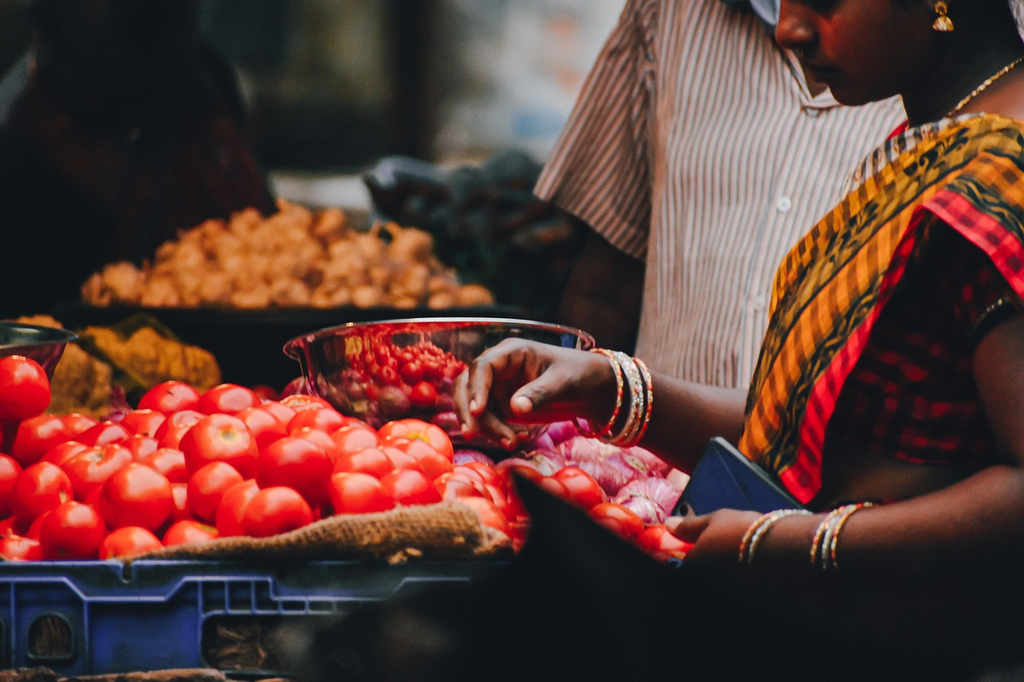
Global trade policies for cherries, including fresh oranges and cherries, encompass international regulations, tariffs, and phytosanitary standards that govern their import and export. These policies aim to ensure food safety, prevent the spread of pests and diseases, and promote fair competition. They often involve bilateral or multilateral agreements, quotas, and quality controls, impacting market access and pricing. Compliance with these policies is essential for producers and exporters to participate successfully in global markets.
Global Trade Policies for Cherries
Global trade policies for cherries, including fresh oranges and cherries, encompass international regulations, tariffs, and phytosanitary standards that govern their import and export. These policies aim to ensure food safety, prevent the spread of pests and diseases, and promote fair competition. They often involve bilateral or multilateral agreements, quotas, and quality controls, impacting market access and pricing. Compliance with these policies is essential for producers and exporters to participate successfully in global markets.
💡 Key Takeaways
- Identify the main tariffs, quotas, and non-tariff barriers that affect cherry trade worldwide
- Explain how phytosanitary standards and quality requirements influence cherry exports and imports
- Understand how regional trade agreements and market access rules shape cherry supply and pricing
- Learn how trade remedies like anti-dumping and safeguards impact cherry producers and consumers
❓ Frequently Asked Questions
What are the main types of global policies that affect cherry trade?
Tariffs, quotas, non-tariff barriers, and sanitary/phytosanitary (SPS) rules, plus labeling and origin requirements and regional trade deals that influence access and costs.
What is a phytosanitary certificate for cherries, and why is it required?
It's an official document confirming the fruit is free from pests/diseases and meets the importing country’s plant health rules; it often covers treatments, origin, and packaging.
How do tariffs and non-tariff barriers influence cherry prices in international markets?
Tariffs raise import costs; quotas limit volumes; non-tariff measures raise compliance costs. Together, they affect price, supply, and market competitiveness.
What standards govern pesticide residues and quality for imported cherries?
Importing countries set maximum residue limits (MRLs) for pesticides; cherries must comply with these limits and with quality/packaging standards and inspections.
What steps can exporters take to access new cherry markets and stay compliant?
Understand destination rules, obtain necessary SPS and certification, connect with trade bodies, work with customs/brokers, and monitor tariffs and market access programs.