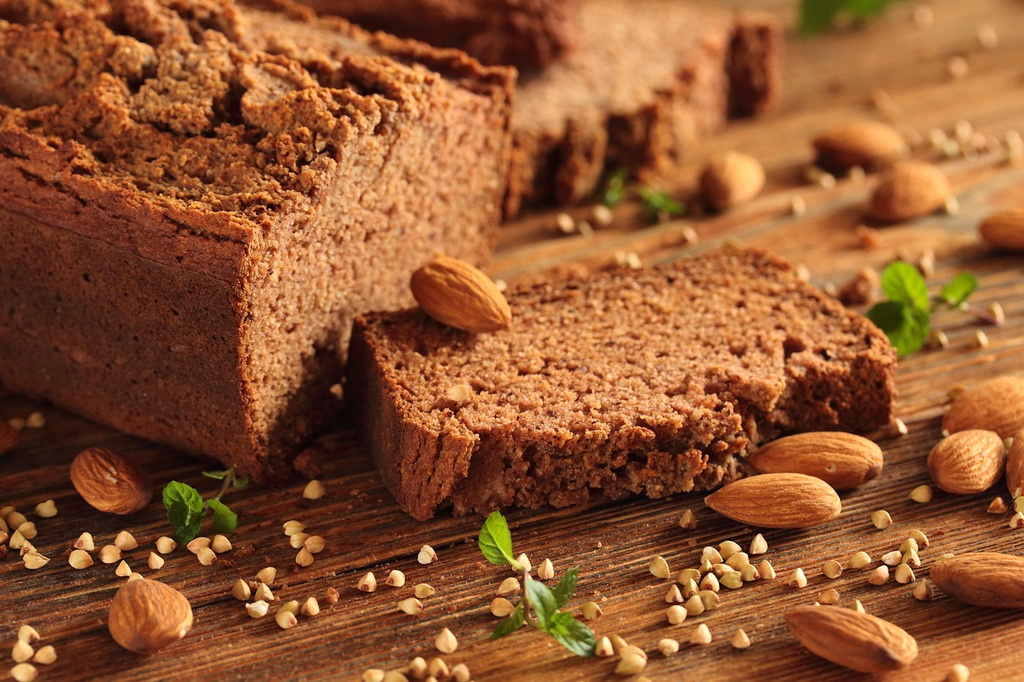
Gluten-free whole grains are nutrient-rich grains that do not contain gluten, making them suitable for individuals with celiac disease or gluten sensitivity. Examples include quinoa, brown rice, millet, amaranth, and buckwheat. These grains are packed with fiber, vitamins, and minerals, supporting digestive health, stable energy, and overall wellness. Incorporating gluten-free whole grains into your diet is a healthy habit and can be considered a superfood choice for balanced nutrition.
Gluten-Free Whole Grains
Gluten-free whole grains are nutrient-rich grains that do not contain gluten, making them suitable for individuals with celiac disease or gluten sensitivity. Examples include quinoa, brown rice, millet, amaranth, and buckwheat. These grains are packed with fiber, vitamins, and minerals, supporting digestive health, stable energy, and overall wellness. Incorporating gluten-free whole grains into your diet is a healthy habit and can be considered a superfood choice for balanced nutrition.
💡 Key Takeaways
- Identify common gluten-free whole grains (quinoa, millet, sorghum, teff, amaranth, buckwheat) and understand their nutritional benefits.
- Understand how gluten-free grains behave in cooking and baking, and how to adapt traditional wheat-based recipes.
- Apply practical cooking tips (rinsing, soaking when needed, cooking ratios) to achieve tender, flavorful gluten-free grains.
- Recognize strategies to prevent cross-contamination and how to read labels to ensure products are truly gluten-free.
❓ Frequently Asked Questions
What is a gluten-free whole grain?
A whole grain with no gluten, including all three parts (bran, germ, endosperm). Examples: brown rice, quinoa, millet, buckwheat, sorghum, corn, teff, amaranth. Note: oats are gluten-free only when labeled certified gluten-free.
Are oats gluten-free?
Oats are naturally gluten-free but are often processed with gluten-containing grains. If you need to avoid gluten, choose oats labeled certified gluten-free.
Which grains are naturally gluten-free?
Common gluten-free whole grains include rice, quinoa, millet, buckwheat, sorghum, corn, teff, and amaranth (watch for cross-contamination during processing).
How does 'whole grain' differ from 'gluten-free'?
Gluten-free means no gluten; whole grain means the grain is intact (bran, germ, endosperm). A grain can be gluten-free and whole, or gluten-free and refined, or gluten-containing and whole—check both labels.