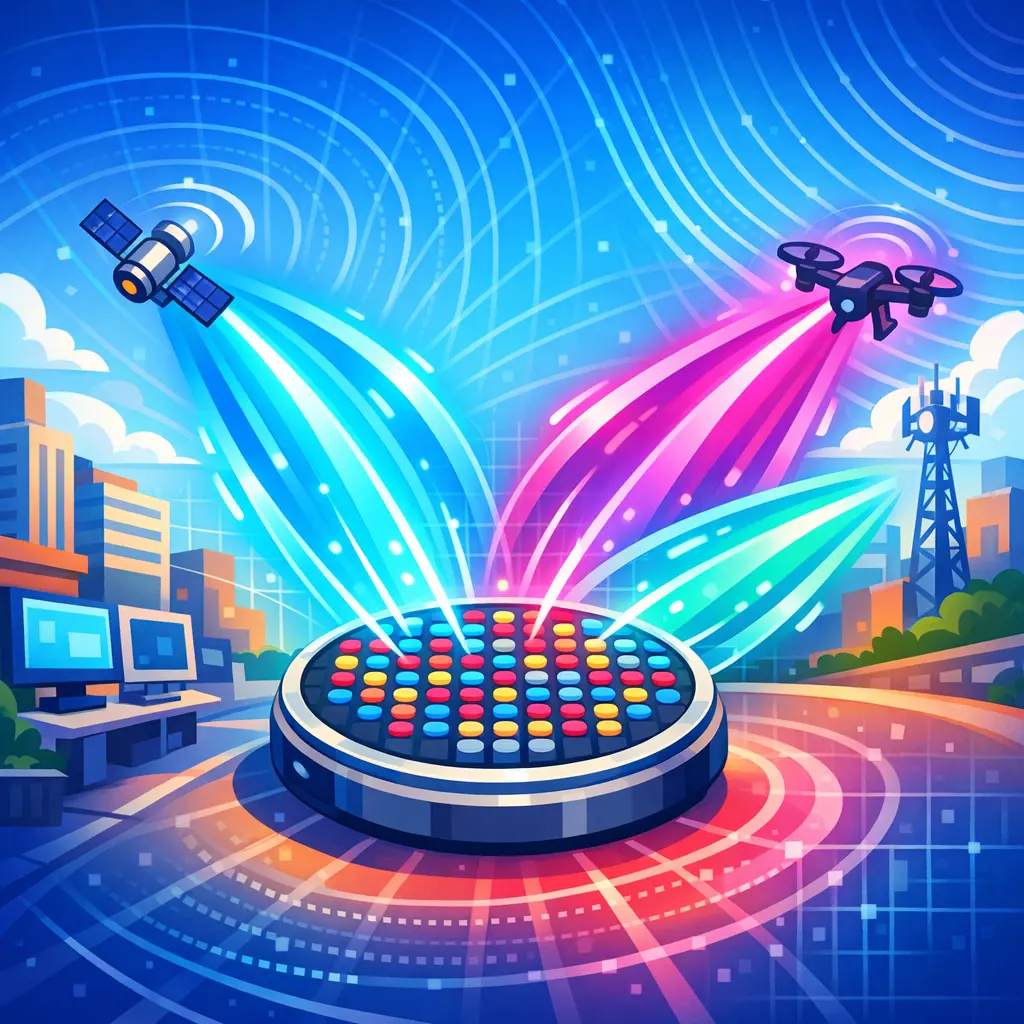
GNSS and Positioning Technologies refer to systems like GPS that use satellite signals to determine precise geographic locations. In telecoms, these technologies enable accurate timing and synchronization for networks. The signals transmitted are essential for navigation, mapping, and location-based services. Power considerations ensure reliable operation of GNSS devices, especially in remote or mobile applications. Together, they support critical infrastructure, transportation, and communication systems worldwide.
GNSS and Positioning Technologies
GNSS and Positioning Technologies refer to systems like GPS that use satellite signals to determine precise geographic locations. In telecoms, these technologies enable accurate timing and synchronization for networks. The signals transmitted are essential for navigation, mapping, and location-based services. Power considerations ensure reliable operation of GNSS devices, especially in remote or mobile applications. Together, they support critical infrastructure, transportation, and communication systems worldwide.
💡 Key Takeaways
- Understand how GNSS receivers determine position from satellite signals.
- Identify the major GNSS constellations (GPS, GLONASS, Galileo, BeiDou) and how they differ.
- Explore positioning methods such as standalone GNSS, RTK, and PPP.
- Recognize factors that affect GNSS accuracy (obstructions, multipath, atmospheric delays) and basic mitigation strategies.
❓ Frequently Asked Questions
What is GNSS and what does it stand for?
GNSS stands for Global Navigation Satellite System. It enables receivers to determine position, velocity, and time anywhere on Earth using signals from satellites.
Which GNSS constellations are commonly used?
Common constellations include GPS (USA), GLONASS (Russia), Galileo (EU), and BeiDou (China). Some receivers also access regional systems like QZSS or NavIC.
How does GNSS determine your position?
A receiver measures signal travel times from at least four satellites and solves for position and time using trilateration with satellite and receiver clocks.
What factors affect GNSS accuracy?
Accuracy is influenced by satellite geometry, atmospheric delays, signal reflections (multipath), obstructions (buildings/trees), clock errors, and potential interference or jamming.