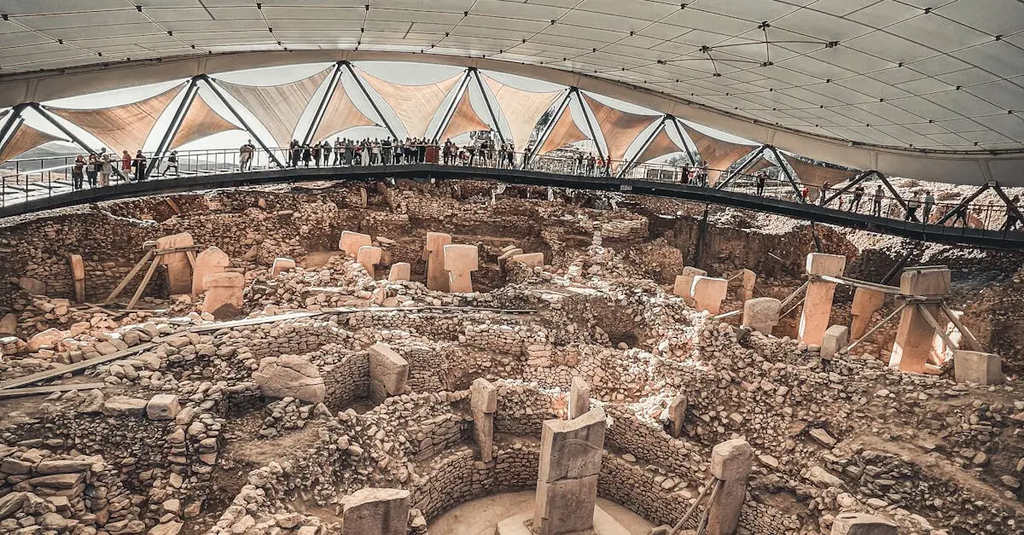
The Göbekli Tepe Origins Debate centers on the mysterious beginnings and purpose of this ancient archaeological site in Turkey, dating back to around 9600 BCE. Scholars dispute whether it was built by hunter-gatherers or an early settled society, challenging previous assumptions about the development of complex societies. The debate also explores the site's religious, social, and technological significance, questioning how such monumental architecture was constructed before the advent of agriculture or established civilizations.
Göbekli Tepe Origins Debate
The Göbekli Tepe Origins Debate centers on the mysterious beginnings and purpose of this ancient archaeological site in Turkey, dating back to around 9600 BCE. Scholars dispute whether it was built by hunter-gatherers or an early settled society, challenging previous assumptions about the development of complex societies. The debate also explores the site's religious, social, and technological significance, questioning how such monumental architecture was constructed before the advent of agriculture or established civilizations.
💡 Key Takeaways
- Understand Göbekli Tepe’s age and why it challenges assumptions about early archaeology.
- Compare the hunter‑gatherer and early settled‑society theories and the evidence for each.
- Learn how dating methods place Göbekli Tepe around 9600 BCE and what that means for our timeline of social development.
- Assess what the site's monumental architecture and carvings reveal about ritual life, labor organization, and the emergence of organized religion.
❓ Frequently Asked Questions
What is Göbekli Tepe and where is it located?
Göbekli Tepe is an archaeological site in southern Turkey, dating to around 9600 BCE, known for circular enclosures and massive carved pillars.
How old is Göbekli Tepe and why does that date matter?
Dating to about 9,600 BCE, it predates pottery and farming, suggesting complex social or ritual activity before settled agriculture.
What is the main debate about who built Göbekli Tepe?
Scholars debate whether hunter-gatherers with organized labor built it or whether an early settled community was involved, challenging ideas about social development.
What does Göbekli Tepe reveal about early human society?
It shows that large-scale monumental architecture and organized effort can emerge before permanent farming communities, indicating earlier social complexity.
What is the commonly proposed purpose of Göbekli Tepe nowadays?
Most researchers view it as a ceremonial or religious center rather than a residential settlement, though many questions about its exact functions remain.