"Gods, Demigods & Monsters" refers to powerful beings found in mythologies and legends across cultures. Gods are supreme deities with immense powers, often worshipped and revered. Demigods are part-divine, typically born from a god and a mortal, possessing extraordinary abilities but not full immortality. Monsters are fantastical, often fearsome creatures that challenge heroes or represent chaos. Together, they populate mythic stories, shaping human understanding of the supernatural and the unknown.
Gods, Demigods & Monsters
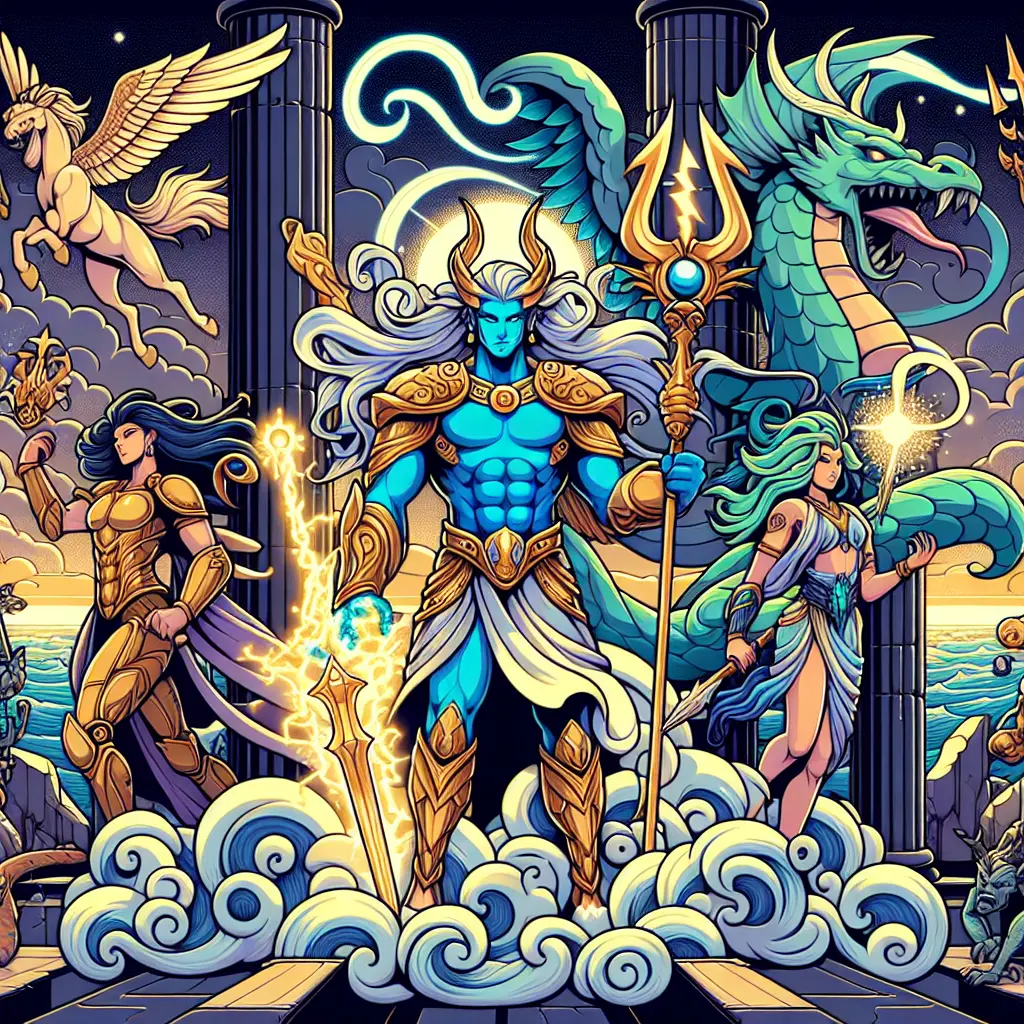
"Gods, Demigods & Monsters" refers to powerful beings found in mythologies and legends across cultures. Gods are supreme deities with immense powers, often worshipped and revered. Demigods are part-divine, typically born from a god and a mortal, possessing extraordinary abilities but not full immortality. Monsters are fantastical, often fearsome creatures that challenge heroes or represent chaos. Together, they populate mythic stories, shaping human understanding of the supernatural and the unknown.
💡 Key Takeaways
- Distinguish gods, demigods, and monsters and explain how their origins shape powers and roles in myths and franchises.
- Identify representative beings from multiple cultures (Greek, Norse, Hindu, Egyptian) and summarize their defining traits and abilities.
- Explain how these beings drive plot dynamics in different universes—heroic journeys, rivalries, and alliances.
- Recognize common mythic archetypes and symbolism used for gods, demigods, and monsters and how creators reinterpret them for modern media.
❓ Frequently Asked Questions
What distinguishes gods, demigods, and monsters?
Gods are supreme deities with vast powers and typically worshipped; demigods are part-divine offspring born of a god and a mortal with extraordinary abilities but not full immortality; monsters are formidable beings, often non-divine, that may challenge heroes.
What does 'franchises & universes' mean for this quiz?
It refers to connected worlds where these beings appear across multiple works (books, films, games, comics), rather than a single story.
Are gods immortal in these myths and franchises?
Generally yes: gods are depicted as immortal or near-immortal; demigods are mortal or have limited immortality; monsters vary—some may be immortal, others not.
How can you tell if a character is a demigod?
A demigod has one divine parent (a god) and one mortal parent, and often shows extraordinary powers or lineage clues in their origin.