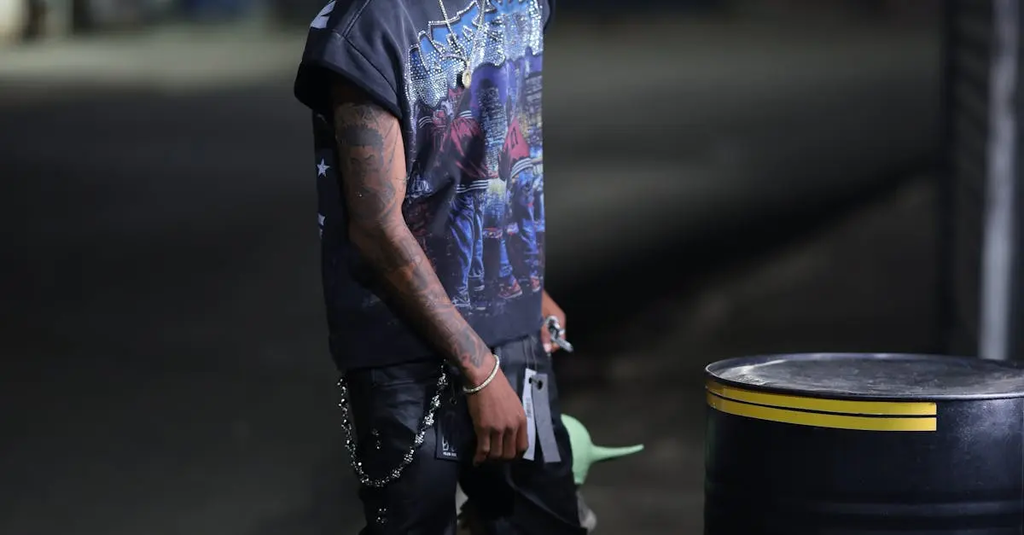
The "Goth & Emo Phases" refer to periods, often during adolescence, when individuals explore alternative subcultures characterized by distinctive fashion, music, and attitudes. The Goth phase emphasizes dark aesthetics, Victorian-inspired clothing, and a fascination with the macabre, while the Emo phase focuses on emotional expression, introspective lyrics, and punk-influenced style. Both phases offer a sense of identity, community, and creative self-expression for those who feel misunderstood or seek to challenge mainstream norms.
Goth & Emo Phases
The "Goth & Emo Phases" refer to periods, often during adolescence, when individuals explore alternative subcultures characterized by distinctive fashion, music, and attitudes. The Goth phase emphasizes dark aesthetics, Victorian-inspired clothing, and a fascination with the macabre, while the Emo phase focuses on emotional expression, introspective lyrics, and punk-influenced style. Both phases offer a sense of identity, community, and creative self-expression for those who feel misunderstood or seek to challenge mainstream norms.
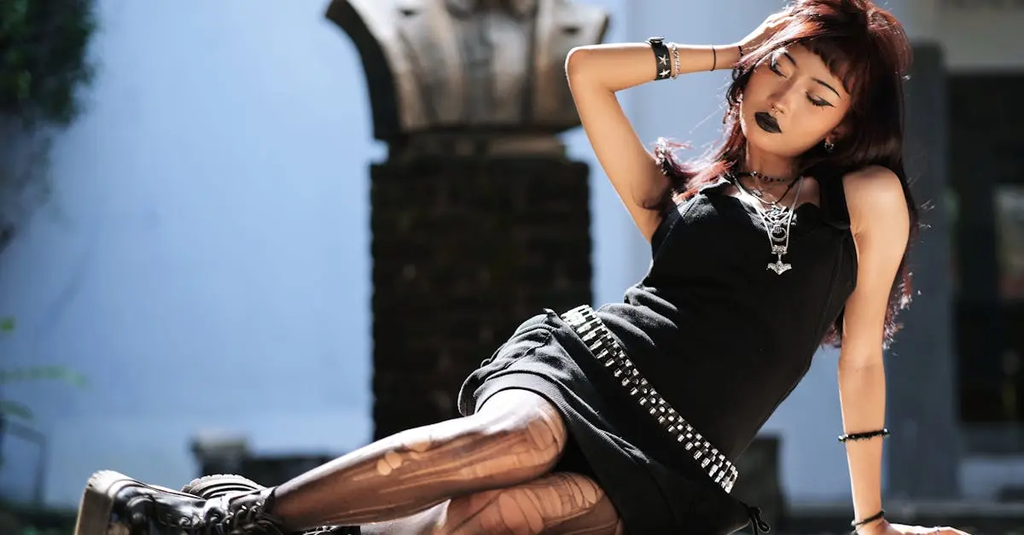
💡 Key Takeaways
- Understand the key differences and overlaps between Goth and Emo subcultures, including fashion, music, and attitudes across decades.
- Explore how adolescence and nostalgia influence why people gravitate toward these phases and seek self-expression through style.
- Identify common cues for each phase, such as Goth’s dark palettes and Victorian-inspired aesthetics and Emo’s emotive fashion and lyric-driven vibe.
- Recognize how these phases can overlap and evolve over time, with individuals blending elements or revisiting them in adulthood for nostalgia.
❓ Frequently Asked Questions
What are Goth & Emo Phases?
They are teen-focused explorations of alternative subcultures. Goth emphasizes dark aesthetics and Victorian-inspired style, while Emo centers on emotional expression and music-influenced fashion.
What music genres are linked to Goth and Emo?
Goth is associated with goth rock, darkwave, and related genres; Emo draws from emo, emocore, and indie rock.
How do Goth and Emo fashion differ?
Goth fashion tends to be all black with lace, velvet, corsets, and dramatic makeup; Emo fashion favors band tees, skinny jeans, darker palettes with DIY touches.
Why are these phases often nostalgic?
They recall adolescence, specific decades, and memorable music moments, shaping personal identity and later nostalgia for those years.