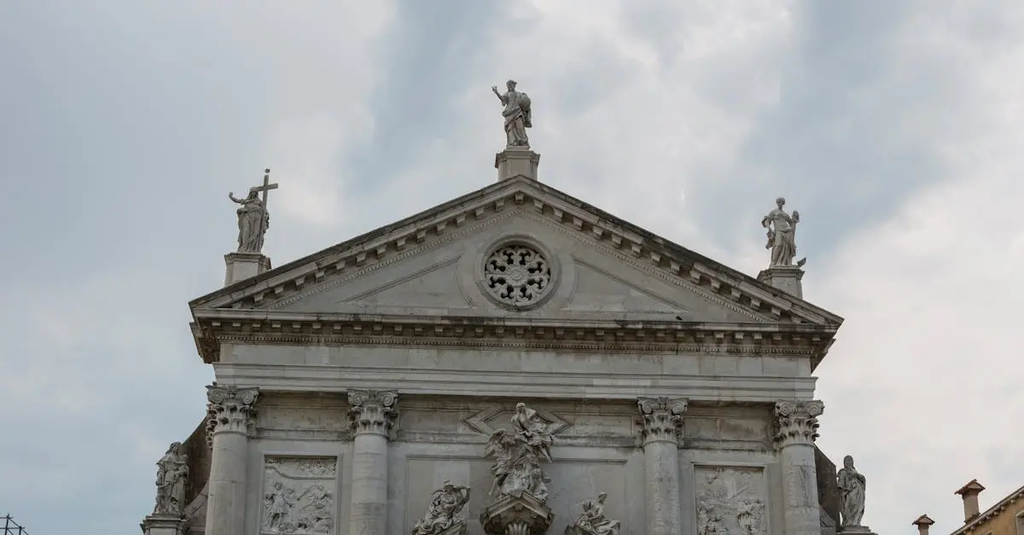
Gothic cathedrals, prominent from the 12th to 16th centuries in Europe, are renowned for their soaring spires, pointed arches, ribbed vaults, and intricate stained glass windows. These architectural masterpieces emphasized verticality and light, symbolizing heavenly aspiration. They served as religious, social, and artistic centers, reflecting advancements in engineering and a shift toward more expressive, ornate styles compared to earlier Romanesque structures, profoundly influencing Western art and architecture.
Gothic Cathedrals
Gothic cathedrals, prominent from the 12th to 16th centuries in Europe, are renowned for their soaring spires, pointed arches, ribbed vaults, and intricate stained glass windows. These architectural masterpieces emphasized verticality and light, symbolizing heavenly aspiration. They served as religious, social, and artistic centers, reflecting advancements in engineering and a shift toward more expressive, ornate styles compared to earlier Romanesque structures, profoundly influencing Western art and architecture.
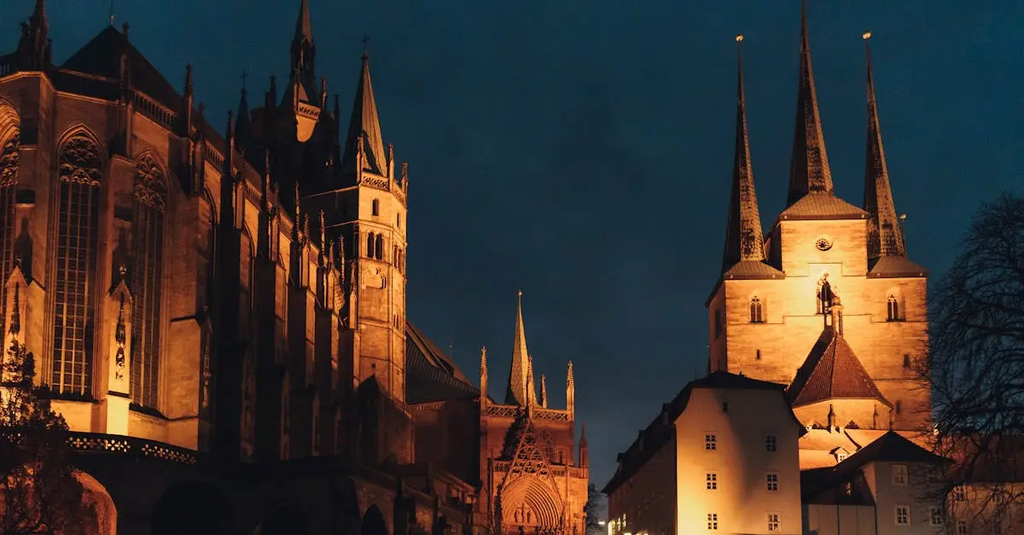
💡 Key Takeaways
- Identify the defining features of Gothic cathedrals (pointed arches, ribbed vaults, flying buttresses, and tall spires).
- Explain how flying buttresses and slender walls enabled large stained-glass windows and bright interior spaces.
- Describe the symbolic role of light in Gothic architecture and how windows tell biblical stories.
- Outline the development and regional variations of Gothic cathedrals across Europe during roughly the 12th–16th centuries.
❓ Frequently Asked Questions
What defines a Gothic cathedral?
A large European church from roughly the 12th–16th centuries featuring vertical emphasis, pointed arches, ribbed vaults, flying buttresses, and expansive stained-glass windows.
When and where did Gothic architecture begin?
It originated in the Île-de-France region of France in the 12th century, with early examples like Saint-Denis, before spreading across Europe.
What are flying buttresses and why are they important?
External arched supports that transfer outward forces from high walls, enabling taller structures and bigger windows.
What is a ribbed vault and how does it relate to Gothic cathedrals?
A ceiling framework of intersecting stone ribs that supports the vault, allowing taller, more flexible floor plans and complex ceilings.
What role do stained-glass rose windows play in Gothic cathedrals?
Large circular windows filled with colored glass that let in light and often depict biblical scenes or symbolic imagery.