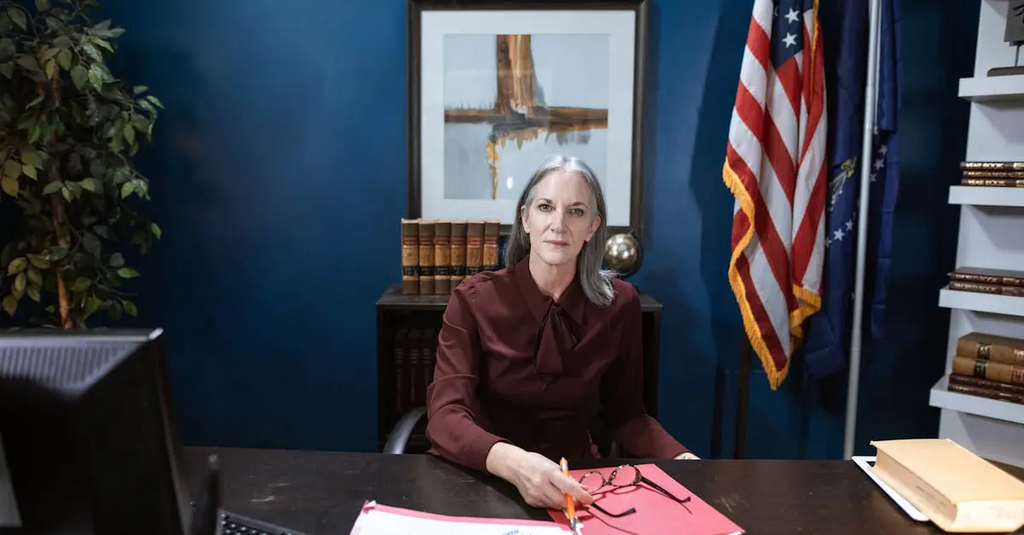
A governance roles and responsibilities overview outlines the key duties, decision-making authority, and expectations for individuals or groups within an organization’s governance structure. It clarifies who is accountable for strategic direction, policy development, oversight, compliance, and risk management. By defining these roles—such as those of the board, executives, and committees—the overview ensures transparency, effective leadership, and alignment with organizational goals, promoting ethical conduct and informed decision-making throughout the organization.
Governance roles and responsibilities overview+50
A governance roles and responsibilities overview outlines the key duties, decision-making authority, and expectations for individuals or groups within an organization’s governance structure. It clarifies who is accountable for strategic direction, policy development, oversight, compliance, and risk management. By defining these roles—such as those of the board, executives, and committees—the overview ensures transparency, effective leadership, and alignment with organizational goals, promoting ethical conduct and informed decision-making throughout the organization.

💡 Key Takeaways
- Identify the key governance roles (board, committees, executives) and their duties
- Distinguish responsibilities for strategic direction, policy development, oversight, compliance, and risk
- Understand how decision-making authority is delegated and who is accountable
- Describe how governance ensures oversight, monitoring, and reporting on performance and compliance
❓ Frequently Asked Questions
What is the purpose of governance roles and responsibilities?
To clarify who is responsible for strategic direction, policy development, oversight, compliance, and risk, and how these duties are coordinated within the governance structure.
Who sets the strategic direction in governance?
The board of directors (or equivalent governing body) sets strategic direction; management implements it within the approved strategy.
Who develops and approves organizational policies?
Policies are developed with input from management and approved by the board or appropriate governance committees, establishing rules for behavior and operations.
What does governance oversight involve?
Oversight includes monitoring performance, ensuring internal controls, managing risk, and ensuring compliance with laws and policies.
How is accountability structured in governance?
Accountability is defined by role: the board oversees direction and governance; executives are responsible for implementation and risk management, with clear reporting and escalation paths.