Graphic novels and comics are storytelling mediums that combine visual art with text. Comics typically present stories through sequential panels, using speech bubbles and captions for dialogue and narration. Graphic novels are longer, book-length works that offer more complex narratives and character development. Both forms span diverse genres, including action, fantasy, and memoir. They appeal to various age groups and are valued for their ability to convey emotions and stories visually and succinctly.
Graphic Novels & Comics Basics
Graphic novels and comics are storytelling mediums that combine visual art with text. Comics typically present stories through sequential panels, using speech bubbles and captions for dialogue and narration. Graphic novels are longer, book-length works that offer more complex narratives and character development. Both forms span diverse genres, including action, fantasy, and memoir. They appeal to various age groups and are valued for their ability to convey emotions and stories visually and succinctly.
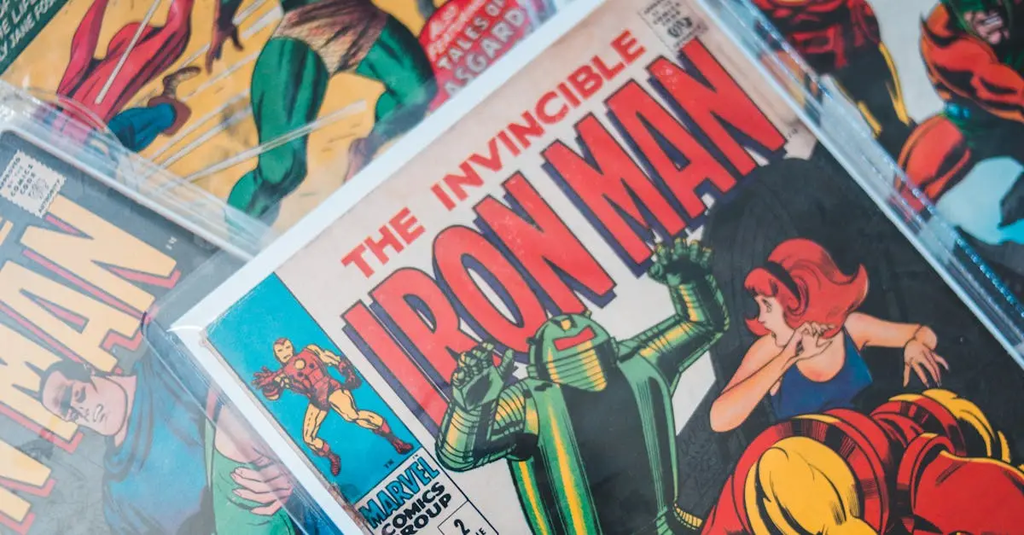
💡 Key Takeaways
- Learn how visuals and text work together to tell a story in comics and graphic novels.
- Differentiate comics from graphic novels by length and narrative complexity.
- Identify key storytelling elements such as panels, gutters, speech bubbles, captions, and lettering.
- Understand how page layout, pacing, and art style shape mood and reader experience.
❓ Frequently Asked Questions
What is the difference between comics and graphic novels?
Comics are typically shorter, serialized works published as issues. Graphic novels are longer, book-length narratives. Many works blur the line, but both use sequential art to tell stories.
What are speech bubbles and captions?
Speech bubbles show characters' dialogue; captions convey narration, thoughts, or context. Bubbles usually have tails pointing to the speaker; captions appear separately from dialogue.
What is sequential art?
Sequential art tells a story through a sequence of panels that depict actions over time; transitions between panels and the space between them (gutters) control pace and emphasis.
How should you read graphic novels and comics?
Most Western titles read left to right and top to bottom. Some manga or translated works read right to left. Always follow the panel order and page progression for the intended flow.