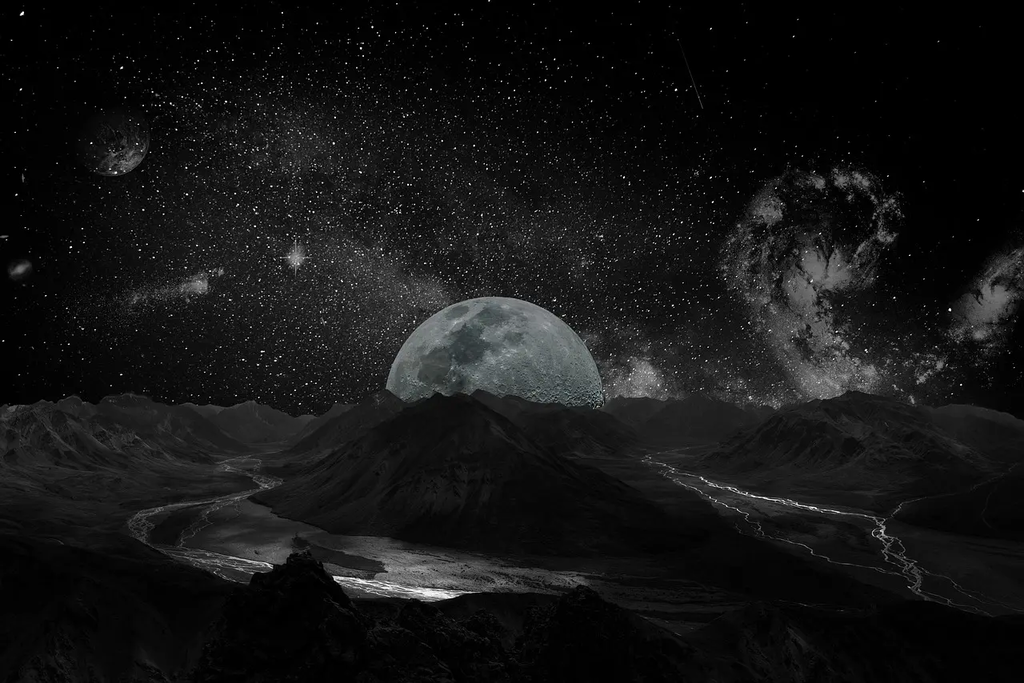
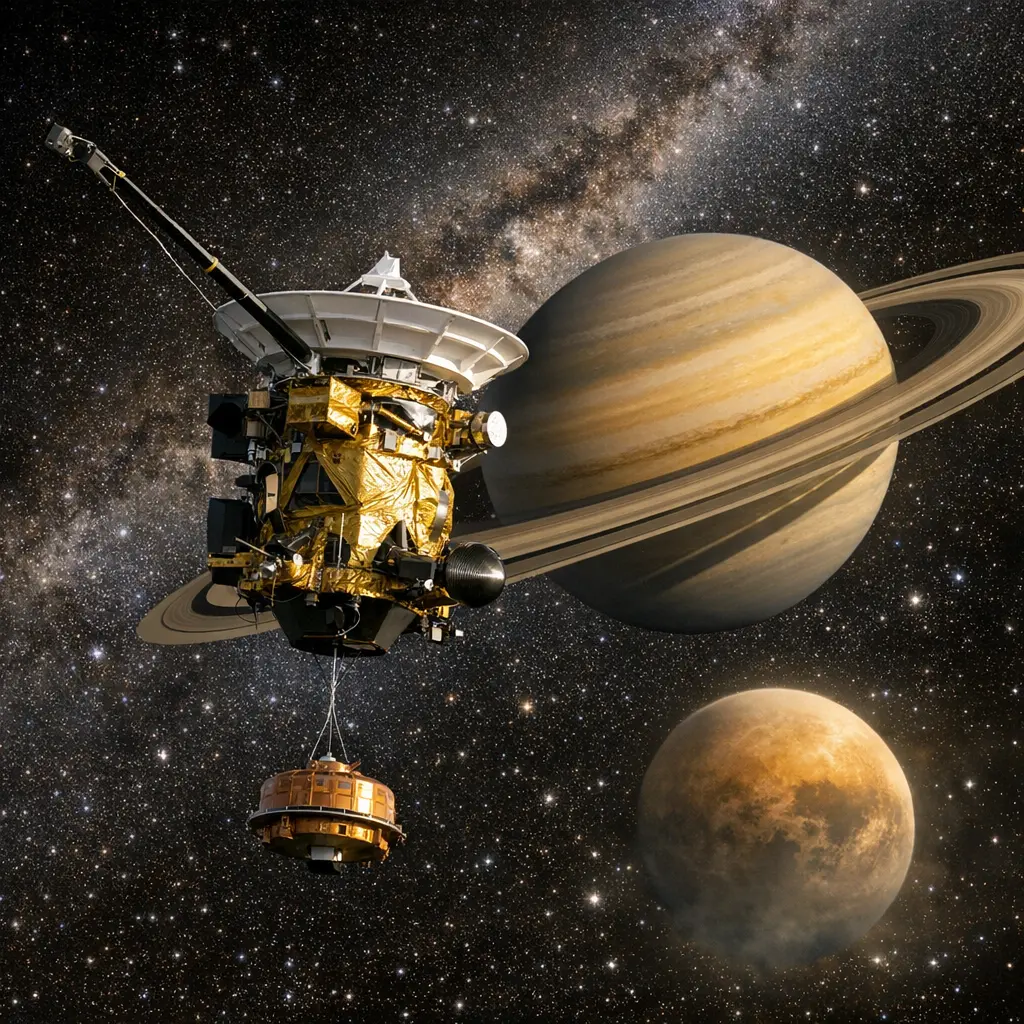
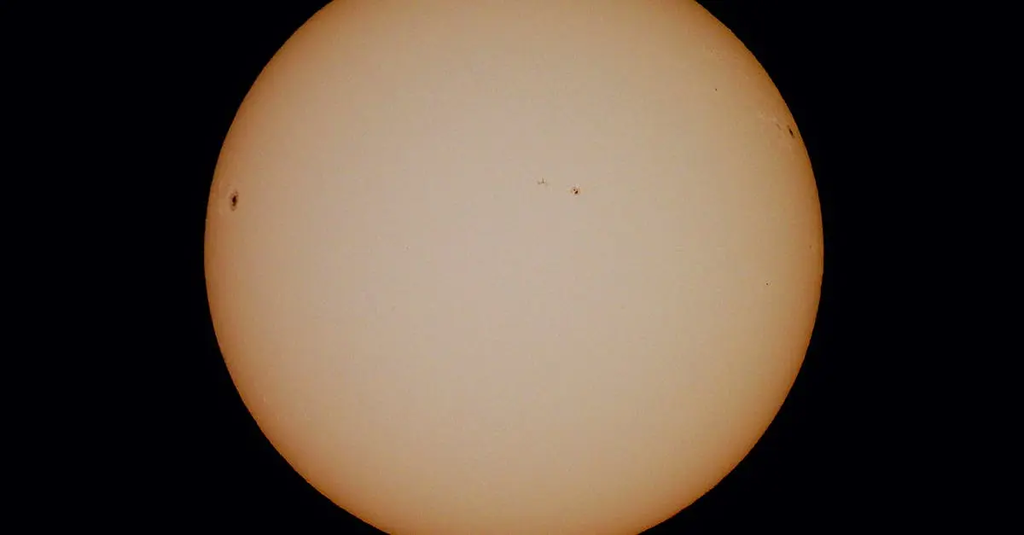
Gravity in the Solar System is the force that holds planets, moons, and other celestial bodies in their orbits around the Sun. It governs the movement and interactions of all objects, from massive planets to tiny asteroids. The Sun’s strong gravitational pull keeps the Solar System together, while each planet’s gravity controls its own moons and rings. This invisible force shapes the structure, stability, and dynamics of the entire Solar System.
Gravity in the Solar System
Gravity in the Solar System is the force that holds planets, moons, and other celestial bodies in their orbits around the Sun. It governs the movement and interactions of all objects, from massive planets to tiny asteroids. The Sun’s strong gravitational pull keeps the Solar System together, while each planet’s gravity controls its own moons and rings. This invisible force shapes the structure, stability, and dynamics of the entire Solar System.
💡 Key Takeaways
- Explain how gravity keeps planets, moons, and spacecraft in orbit around the Sun and other bodies.
- Describe Newton's law of universal gravitation and how mass and distance determine gravitational force.
- Compare how gravity varies across the Solar System and influences orbits, tides, and trajectories.
- Apply gravity concepts to simple Solar System problems, such as estimating orbital speeds or escape velocity.
❓ Frequently Asked Questions
What is gravity and how does it shape the solar system?
Gravity is the attraction between masses. In the solar system, the Sun's gravity pulls on planets, moons, and comets, keeping them in orbits. It follows the inverse-square law: the force weakens with distance squared.
What determines how strong gravity is on a planet's surface?
Surface gravity depends on a planet's mass and radius: g = GM/R^2. A more massive planet or a smaller radius results in stronger surface gravity.
How do gravity and orbital motion create planetary orbits?
Orbits form when an object moves forward fast enough that gravity continually bends its path around the central body. The balance between forward motion and gravitational pull keeps the object in orbit; too slow, it falls in; too fast, it escapes.
What is escape velocity and why is it important?
Escape velocity is the minimum speed needed to break free from a body's gravity without further propulsion. It depends on mass and radius: v_escape = sqrt(2GM/R). For Earth, it's about 11.2 km/s at the surface.