Greek Art from the Archaic to Hellenistic periods traces the evolution of artistic expression in ancient Greece, spanning roughly 700–31 BCE. The Archaic era is marked by stylized forms and rigid kouros statues, while the Classical period emphasizes naturalism, proportion, and idealized beauty. In the Hellenistic period, art becomes more dynamic and expressive, showcasing heightened realism, dramatic poses, and emotional depth, reflecting broader cultural and social changes.
Greek Art: Archaic to Hellenistic
Greek Art from the Archaic to Hellenistic periods traces the evolution of artistic expression in ancient Greece, spanning roughly 700–31 BCE. The Archaic era is marked by stylized forms and rigid kouros statues, while the Classical period emphasizes naturalism, proportion, and idealized beauty. In the Hellenistic period, art becomes more dynamic and expressive, showcasing heightened realism, dramatic poses, and emotional depth, reflecting broader cultural and social changes.
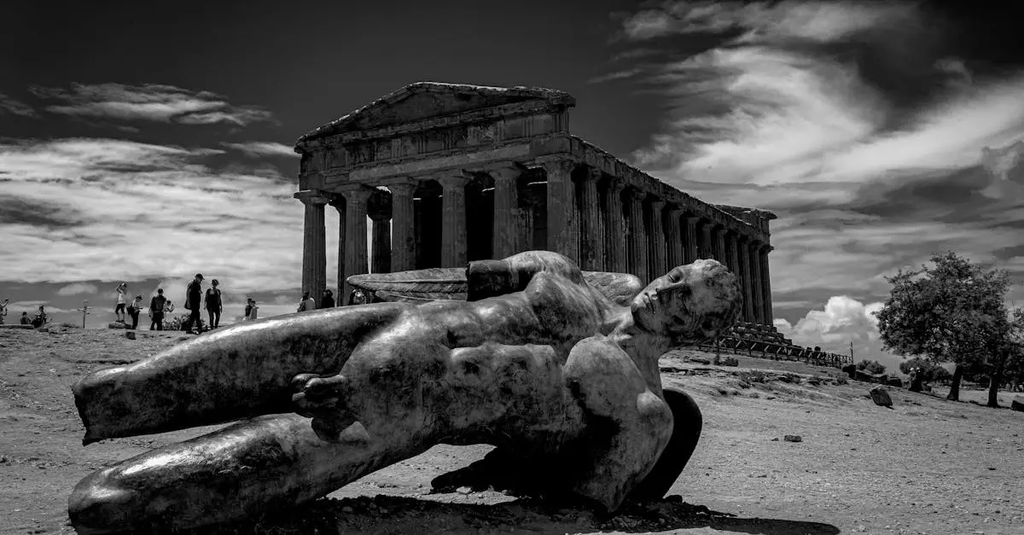
💡 Key Takeaways
- Trace the evolution from Archaic rigidity to Hellenistic naturalism in sculpture.
- Recognize iconic Greek artworks (kouros/kore statues, red- and black-figure pottery, temple architecture) and their purposes.
- Understand changes in technique and form (contrapposto, bronze casting, and architectural orders).
- See how Greek art reflects civic, religious, and mythic narratives across Archaic to Hellenistic periods.
❓ Frequently Asked Questions
What is characteristic of Archaic Greek sculpture?
Stiff, frontal poses with idealized figures like Kouros (male) and Kore (female), an Archaic smile, and use as temple or grave markers.
How does Classical Greek sculpture differ from Archaic?
A move toward naturalism and ideal proportions, introduction of contrapposto (weight shift), and more balanced, lifelike expressions.
What distinguishes Hellenistic art from Classical art?
More drama and movement, a wider emotional range, and subjects including everyday people and dramatic, dynamic scenes.
What pottery techniques are associated with these periods?
Black-figure decoration was common in earlier periods; Red-figure becomes prominent in the late Archaic to Classical periods, allowing finer detail.
What are Kouros and Kore and what were they used for?
Kouros are nude male statues, Kore are clothed female statues; both served as votive offerings at sanctuaries or as grave markers.