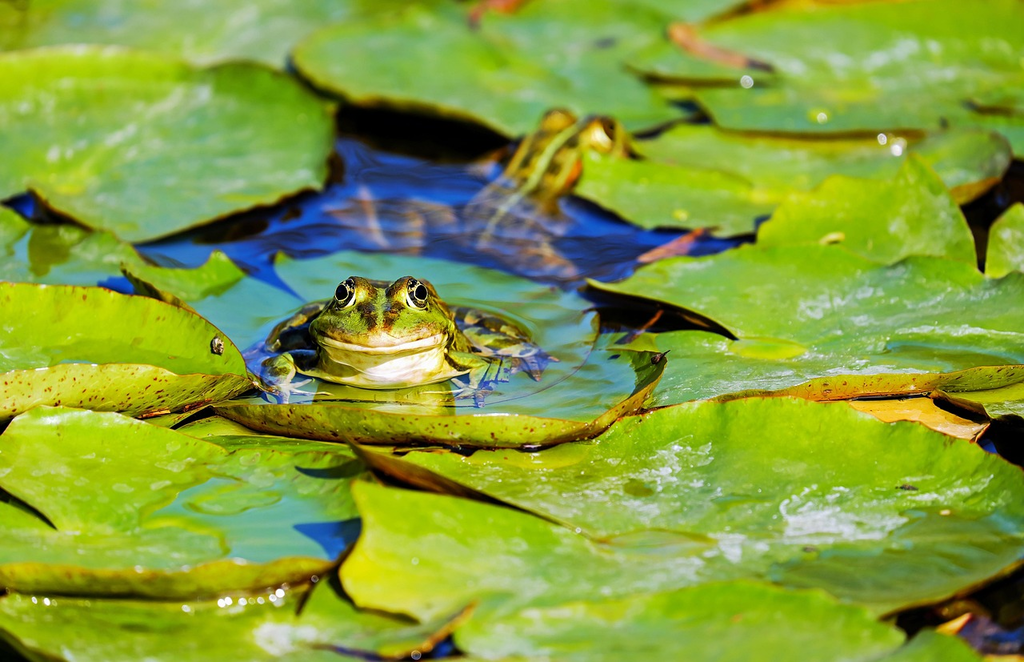
"Green Animals (Color Vibes (Red & Green))" refers to animals that are predominantly green in color, often symbolizing nature, growth, and vitality. The phrase suggests a vibrant, lively atmosphere where green animals stand out, possibly in contrast or harmony with red elements. The combination of red and green evokes a dynamic visual energy, highlighting the natural beauty and diversity found in the animal kingdom through vivid, contrasting color themes.
Green Animals+50
"Green Animals (Color Vibes (Red & Green))" refers to animals that are predominantly green in color, often symbolizing nature, growth, and vitality. The phrase suggests a vibrant, lively atmosphere where green animals stand out, possibly in contrast or harmony with red elements. The combination of red and green evokes a dynamic visual energy, highlighting the natural beauty and diversity found in the animal kingdom through vivid, contrasting color themes.
💡 Key Takeaways
- Identify common naturally green animals and why their color aids survival.
- Explain how green camouflage helps animals avoid predators or catch prey.
- Learn the ways green coloration arises in animals (pigments, structural color, diet).
- Explore habitats where green animals thrive and the role of vegetation.
❓ Frequently Asked Questions
What makes an animal green?
Green color in animals comes from pigments, structural coloration, or symbiotic organisms (such as algae or chloroplasts) that yield green hues.
Which animals are commonly green?
Examples include the green tree frog, green anole (lizard), emerald basilisk, green sea turtle, and green lacewing.
Do all green animals rely on camouflage?
Not always. While camouflage is common, green can also be used for signaling or arise from symbiotic relationships.
Can any green animals photosynthesize?
Most cannot, but a few species (such as some sea slugs with kleptoplasts) can use stolen chloroplasts to harness sunlight.