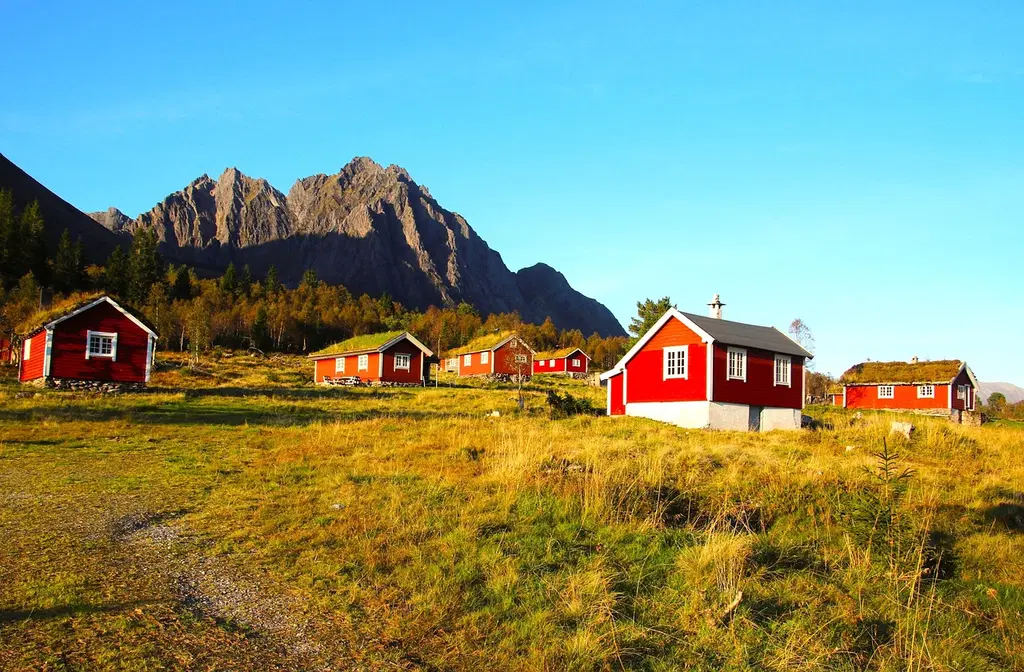
"Green in Nature" refers to the abundant presence of the color green in the natural world, symbolizing growth, renewal, and harmony. It evokes feelings of freshness and tranquility, often associated with plants, trees, and lush landscapes. In the context of "Color Vibes (Red & Green)," green represents balance and calmness, providing a soothing contrast to the energetic and passionate qualities of red, together creating a dynamic visual and emotional experience.
Green in Nature+50
"Green in Nature" refers to the abundant presence of the color green in the natural world, symbolizing growth, renewal, and harmony. It evokes feelings of freshness and tranquility, often associated with plants, trees, and lush landscapes. In the context of "Color Vibes (Red & Green)," green represents balance and calmness, providing a soothing contrast to the energetic and passionate qualities of red, together creating a dynamic visual and emotional experience.
💡 Key Takeaways
- Understand why plants appear green and how chlorophyll drives photosynthesis.
- Identify major green ecosystems and organisms (trees, grasses, algae) and their ecological roles.
- Explain the benefits of green spaces for biodiversity, climate resilience, and human well-being.
- Recognize common threats to natural greenery and simple conservation actions you can take.
❓ Frequently Asked Questions
What causes the green color in most plants?
Chlorophyll reflects green light and absorbs red and blue light, enabling photosynthesis to power plant growth.
How does photosynthesis relate to leaf color?
Chlorophyll drives photosynthesis, and its dominance gives leaves their green; as it degrades in autumn, green fades and other pigments show.
Why do leaves vary in shades of green?
Variations in chlorophyll levels, light exposure, and the presence of other pigments or nutrients create different greens; new growth is often lighter.
Are there green animals or greens in the animal world?
Some animals appear green due to pigments (like biliverdin) or structural coloration, or because algae or plant material coats their surface.
What is the ecological importance of green plants?
Green plants harvest light to make food, produce oxygen, and form the base of most ecosystems, supporting life on Earth.