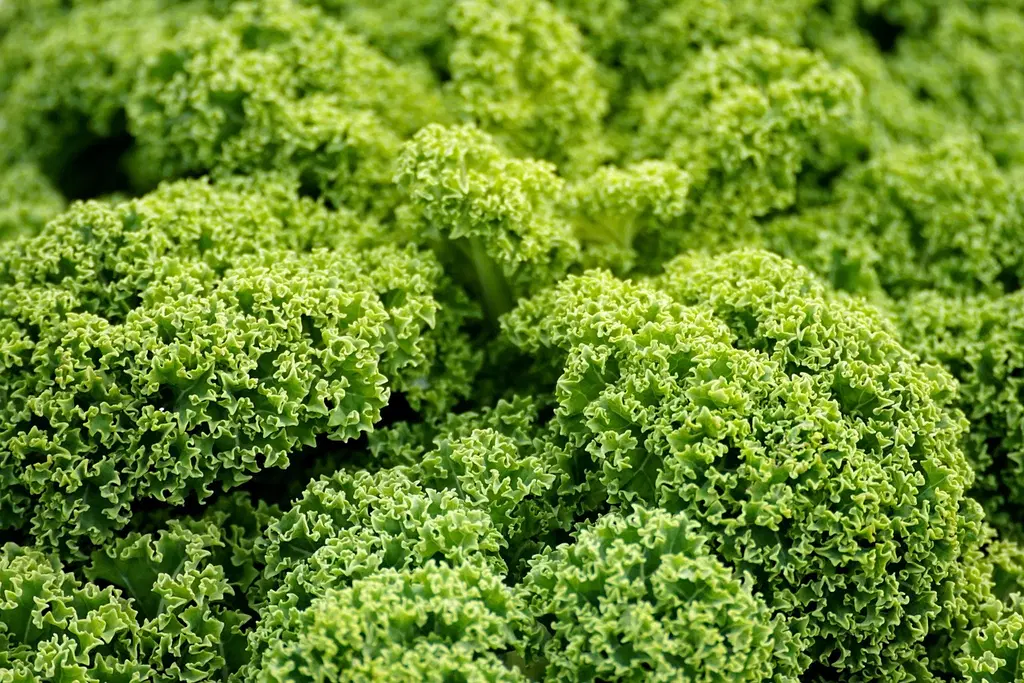
Green vegetables, such as spinach, broccoli, and kale, are rich in nutrients and symbolize freshness and vitality. In the context of color vibes, green represents growth, balance, and harmony, while red adds energy and excitement. Together, these colors create a vibrant contrast that highlights the health benefits and visual appeal of green vegetables, making them both nourishing and visually stimulating in meals and presentations.
Green Vegetables+50
Green vegetables, such as spinach, broccoli, and kale, are rich in nutrients and symbolize freshness and vitality. In the context of color vibes, green represents growth, balance, and harmony, while red adds energy and excitement. Together, these colors create a vibrant contrast that highlights the health benefits and visual appeal of green vegetables, making them both nourishing and visually stimulating in meals and presentations.
💡 Key Takeaways
- Identify common green vegetables and their key health benefits.
- Recognize the main nutrients found in green vegetables (fiber, vitamins, minerals) and their roles.
- Learn best practices for storing, washing, and prepping greens to maximize freshness and nutrition.
- Explore cooking methods that preserve color, texture, and nutrients in green vegetables (steaming, blanching, light sauté).
❓ Frequently Asked Questions
What counts as green vegetables?
Green vegetables include leafy greens (spinach, kale), cruciferous greens (broccoli, Brussels sprouts), and green pods like green beans and peas—all rich in chlorophyll and nutrients.
How can you cook green vegetables to preserve color and nutrients?
Use quick methods such as steaming, microwaving, or sautéing. If boiling, blanch briefly and shock in ice water to lock in color and nutrients.
How should you select and store green vegetables for freshness?
Choose vibrant color, firm texture, and fresh aroma. Store in the fridge in a perforated bag or container and use within a few days.
What are common health benefits of green vegetables?
They’re high in fiber, vitamins A, C, K, folate, and minerals, plus antioxidants that support digestion, immunity, and overall health.