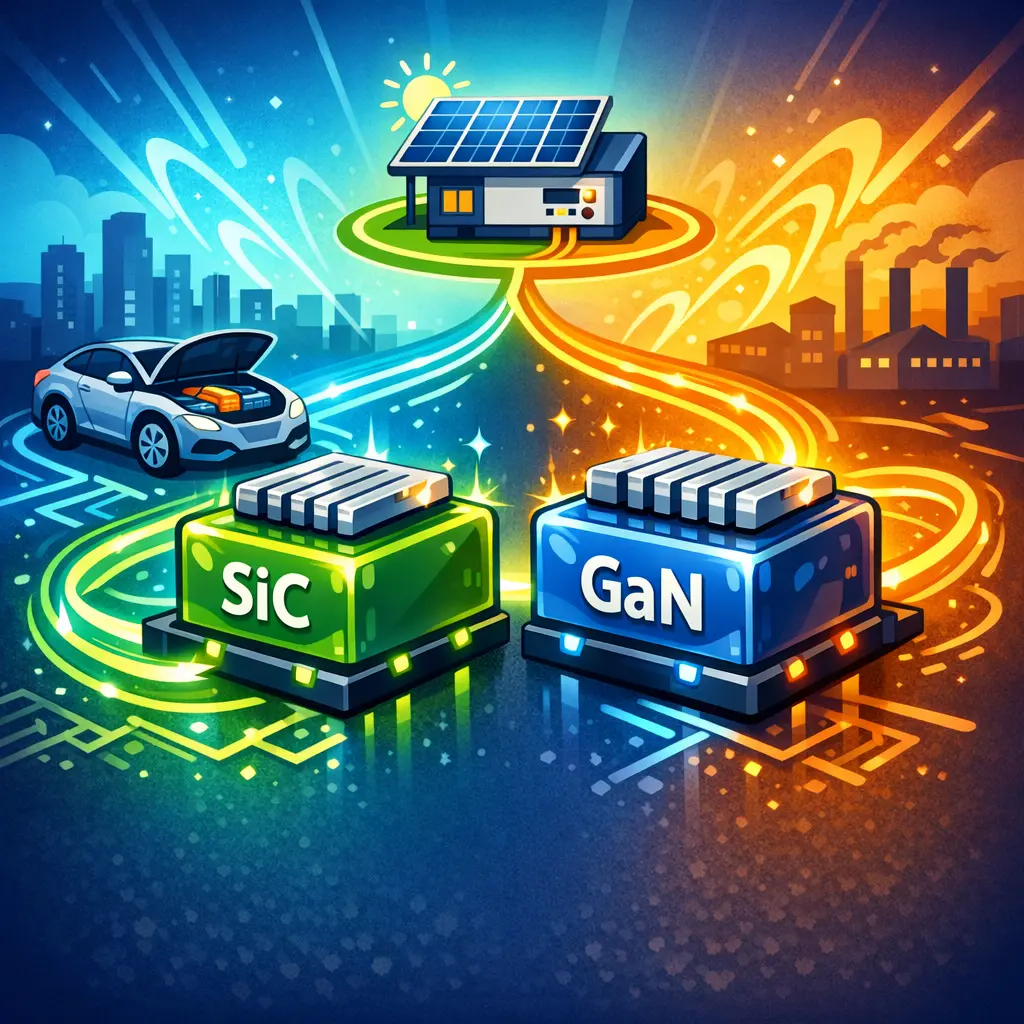
Grid-forming inverters are advanced power electronic devices that can create and stabilize electrical grids by controlling voltage and frequency, even in the absence of traditional generators. In telecoms and signal systems, they enhance reliability by maintaining power quality during fluctuations or faults. Their ability to provide stable reference signals ensures consistent operation of sensitive equipment, supporting seamless integration of renewable energy sources and improving overall system stability and resilience.
Grid-Forming Inverters and Stability
Grid-forming inverters are advanced power electronic devices that can create and stabilize electrical grids by controlling voltage and frequency, even in the absence of traditional generators. In telecoms and signal systems, they enhance reliability by maintaining power quality during fluctuations or faults. Their ability to provide stable reference signals ensures consistent operation of sensitive equipment, supporting seamless integration of renewable energy sources and improving overall system stability and resilience.

💡 Key Takeaways
- Understand what grid-forming inverters are and how they differ from grid-following inverters
- Explain how grid-forming inverters enhance grid stability through synthetic inertia, fast frequency response, and black-start capability
- Describe common grid-forming control strategies (e.g., droop control, virtual inertia) and their impact on stability
- Identify typical applications and deployment challenges of grid-forming inverters in microgrids and weak grids
❓ Frequently Asked Questions
What is a grid-forming inverter?
A power-electronics converter that can establish and regulate the grid's voltage and frequency, and operate in islanded or weak-grid conditions using control schemes such as virtual synchronous machine (VSM) or droop control.
How does a grid-forming inverter differ from a grid-following inverter?
Grid-forming inverters set the grid voltage and frequency and can operate without a strong external grid, while grid-following inverters rely on an existing grid reference and synchronize via a phase-locked loop.
Why are grid-forming inverters important for stability?
They provide a voltage and frequency reference, enable fast frequency responses, offer synthetic inertia, and improve fault ride-through, helping maintain stability as renewables share grows.
What is virtual inertia and how do grid-forming inverters use it?
Virtual inertia imitates the inertia of rotating generators by quickly adjusting power output in response to frequency changes, which grid-forming inverters can implement to support grid stability.
What are common control strategies used in grid-forming inverters?
Strategies include virtual synchronous machine (VSM), droop control, and configurable grid-forming modes that enable transition between islanded and grid-connected operation.