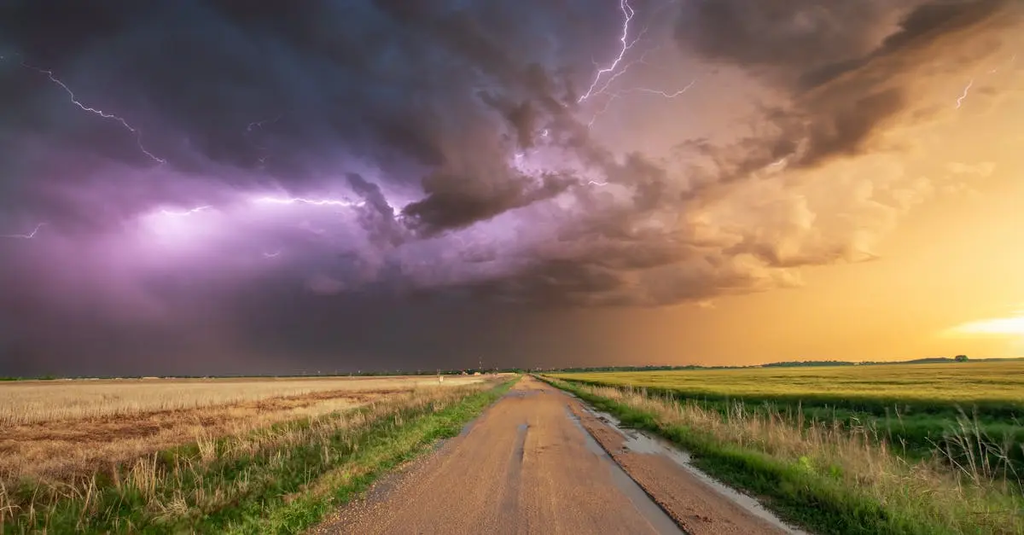
Grid hardening and microgrids for extreme weather resilience involve strengthening the electricity grid to withstand severe weather events and deploying localized energy systems. Grid hardening includes upgrading infrastructure, such as poles, wires, and substations, to reduce vulnerability to storms or heatwaves. Microgrids are self-sufficient energy systems that can operate independently during outages, ensuring continuous power for critical services. Together, these strategies enhance grid reliability and community resilience against increasingly frequent extreme weather.
Grid Hardening and Microgrids for Extreme Weather Resilience
Grid hardening and microgrids for extreme weather resilience involve strengthening the electricity grid to withstand severe weather events and deploying localized energy systems. Grid hardening includes upgrading infrastructure, such as poles, wires, and substations, to reduce vulnerability to storms or heatwaves. Microgrids are self-sufficient energy systems that can operate independently during outages, ensuring continuous power for critical services. Together, these strategies enhance grid reliability and community resilience against increasingly frequent extreme weather.

💡 Key Takeaways
- Explain how grid hardening reduces outage risk by upgrading infrastructure like poles, wires, and substations.
- Describe what a microgrid is and how it can island from the main grid to maintain power during outages.
- Identify common hardening strategies for transmission and distribution assets (e.g., undergrounding, redundancy, floodproofing) and their resilience benefits.
- Explain how energy storage and distributed energy resources support resilience during extreme weather events.
❓ Frequently Asked Questions
What is grid hardening and why is it important for extreme weather resilience?
Grid hardening means strengthening the electricity system to withstand severe weather by upgrading equipment, adding redundancy, and improving protections. It reduces outages and speeds recovery after storms.
What are microgrids and how do they help during outages?
A microgrid is a localized energy system that can operate independently from the main grid. It uses local generation, storage, and controls to keep critical loads powered during outages.
What upgrades are typically included in grid hardening?
Upgrades often include stronger poles and conductors, hardened substations, underground or better-protected cables, improved transformers, smart sensors, automated switches, and vegetation management to reduce line contact.
How do microgrids and grid hardening work together to improve resilience?
Grid hardening lowers outage frequency and impact, while microgrids provide local power during outages. Together, they help maintain essential services and speed up restoration.
Who benefits from grid hardening and microgrid deployment?
Utilities, emergency services, and communities benefit through fewer outages and quicker recovery, while hospitals, schools, shelters, and businesses gain more reliable power during extreme weather.