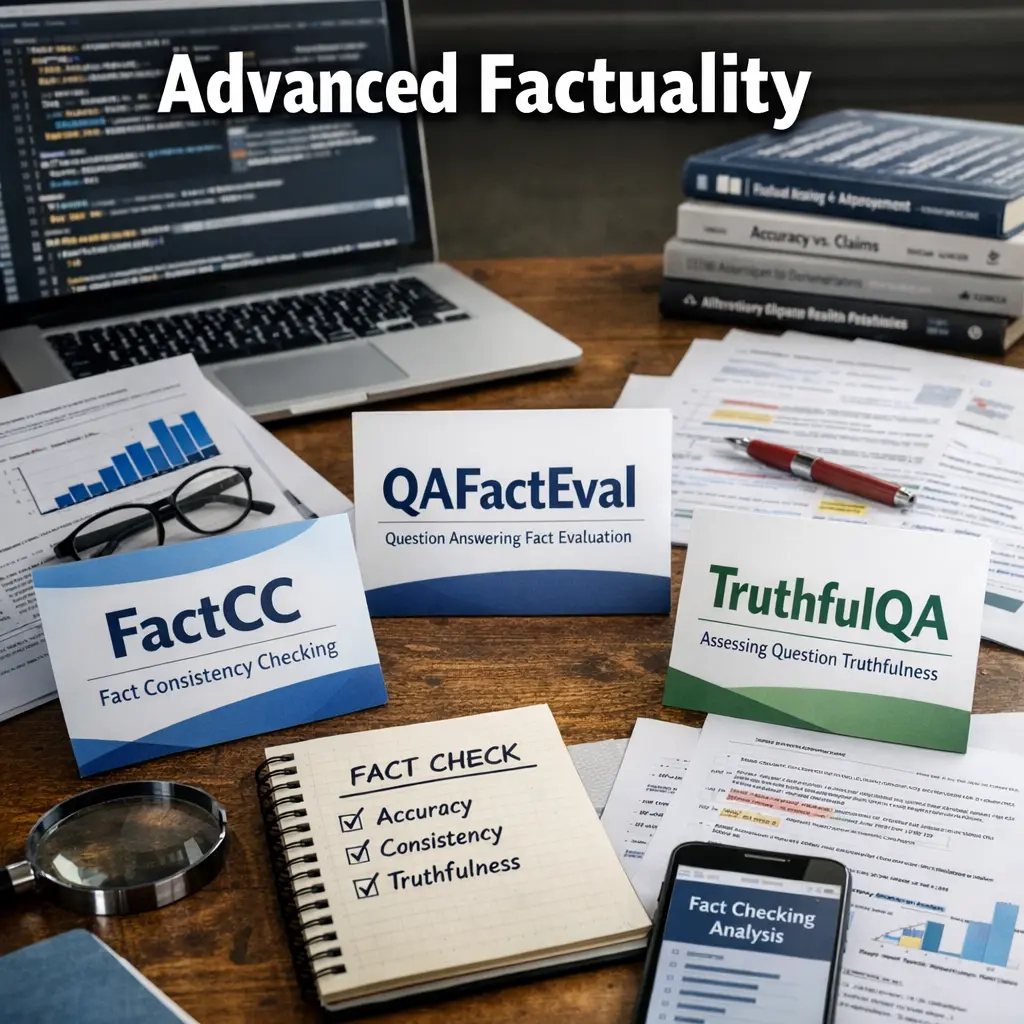
Grounded Generation Evaluation for RAG Systems refers to assessing the quality and accuracy of responses generated by Retrieval-Augmented Generation (RAG) systems, which combine large language models (LLMs) with external knowledge sources. This evaluation process uses specific metrics and benchmarks to determine how well the generated answers are supported by retrieved documents, ensuring factual correctness, relevance, and faithfulness to the provided sources, thereby improving the reliability of LLM-powered applications.
Grounded Generation Evaluation for RAG Systems
Grounded Generation Evaluation for RAG Systems refers to assessing the quality and accuracy of responses generated by Retrieval-Augmented Generation (RAG) systems, which combine large language models (LLMs) with external knowledge sources. This evaluation process uses specific metrics and benchmarks to determine how well the generated answers are supported by retrieved documents, ensuring factual correctness, relevance, and faithfulness to the provided sources, thereby improving the reliability of LLM-powered applications.

💡 Key Takeaways
- Understand what grounded generation means in RAG systems and why it matters.
- Identify key evaluation metrics for grounding, including source attribution and factual consistency with retrieved documents.
- See how retrieval quality and passage linking influence grounding in generated answers.
- Learn practical strategies to improve grounding, such as explicit citations, source verification, and handling outdated information.
❓ Frequently Asked Questions
What is grounded generation in RAG systems?
Grounded generation produces text that is directly supported by retrieved documents, with claims traceable to specific sources.
Why is evaluating grounding important?
It helps prevent hallucinations, increases trust, and ensures outputs align with the retrieved evidence.
What metrics help assess grounding fidelity?
Factuality (consistency with sources), source coverage (do the docs cover the claims), and citation accuracy (correctly attributing statements to sources).
What common challenges arise in grounding evaluation?
Issues include misattribution, paraphrase without clear source links, irrelevant or missing sources, and dataset biases affecting evaluation.