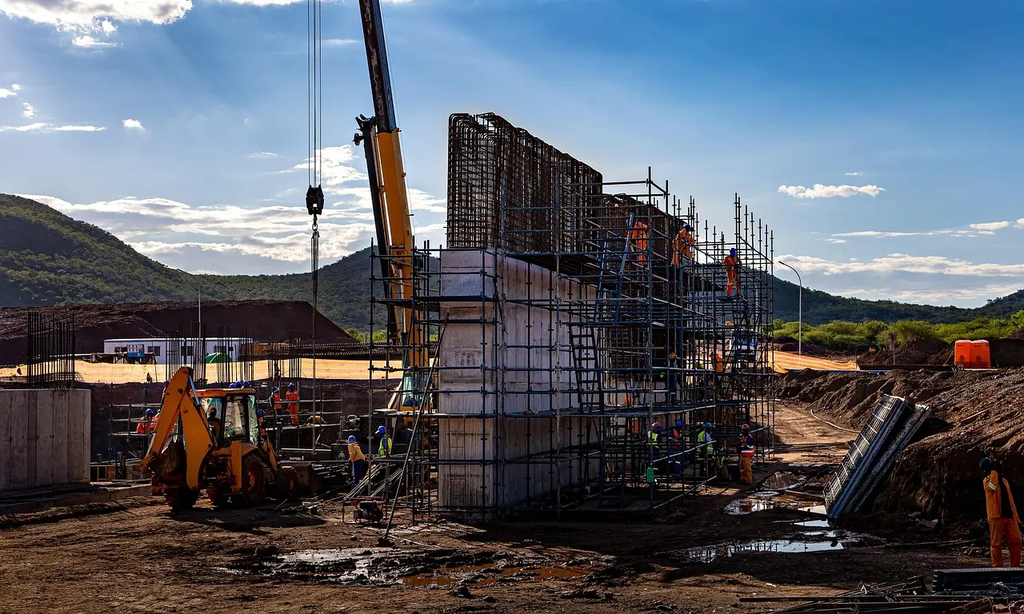
Groundwater control and dewatering techniques in construction technology involve methods to lower and manage the water table or remove excess groundwater from soil at construction sites. These techniques, such as wellpoints, deep wells, sump pumping, and cut-off walls, are essential for creating dry and stable working conditions, preventing soil instability, and ensuring safe and efficient excavation or foundation work in areas with high groundwater levels.
Groundwater Control and Dewatering Techniques
Groundwater control and dewatering techniques in construction technology involve methods to lower and manage the water table or remove excess groundwater from soil at construction sites. These techniques, such as wellpoints, deep wells, sump pumping, and cut-off walls, are essential for creating dry and stable working conditions, preventing soil instability, and ensuring safe and efficient excavation or foundation work in areas with high groundwater levels.
💡 Key Takeaways
- Understand the purpose of groundwater control in construction and how dewatering reduces seepage around excavations.
- Identify common dewatering methods (wellpoints, deep wells, and sump pumping) and the basic situations each is best suited for.
- Learn how to design a simple dewatering plan, including method selection, pumping rate, drawdown goals, and discharge considerations.
- Recognize environmental, safety, and permit considerations related to dewatering, such as monitoring, sediment control, and effluent management.
❓ Frequently Asked Questions
What is groundwater dewatering?
A process that lowers the water table around a work area to keep it dry and stable for excavation or construction.
What are common groundwater dewatering methods?
Wellpoint dewatering (shallow groundwater control with small wells), deep-well dewatering (pumping from deeper aquifers), and sump/eduction or trench drainage systems to collect and remove water.
How do engineers choose a dewatering method?
They assess groundwater depth and flow, soil type and permeability, excavation depth, distance to nearby structures, water quality and disposal options, and cost/schedule constraints.
What safety and environmental considerations are important?
Prevent settlement of nearby structures, manage pumped water quality and disposal, monitor drawdown and rebound, and ensure the necessary permits and environmental controls are in place.