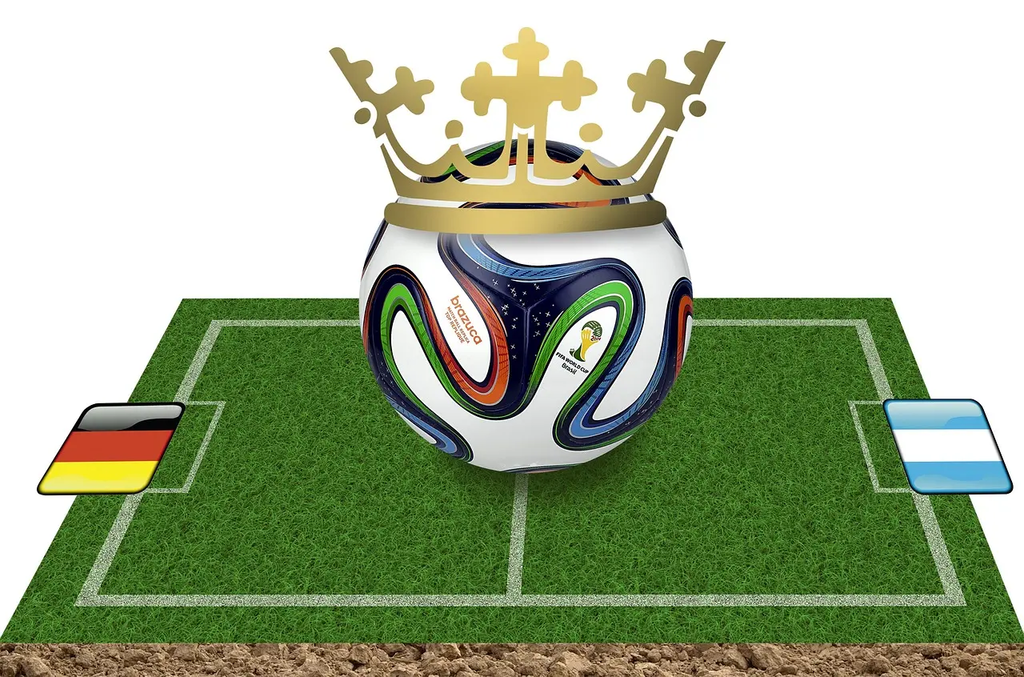
Group stage tiebreaker cases refer to the rules and procedures used to rank teams that finish with equal points in a group stage of a tournament. Common tiebreakers include goal difference, goals scored, head-to-head results, and sometimes disciplinary records or drawing of lots. These criteria ensure a fair and transparent method to determine which teams advance to the next round or achieve higher placement when standard point totals are identical.
Group stage tiebreaker cases
Group stage tiebreaker cases refer to the rules and procedures used to rank teams that finish with equal points in a group stage of a tournament. Common tiebreakers include goal difference, goals scored, head-to-head results, and sometimes disciplinary records or drawing of lots. These criteria ensure a fair and transparent method to determine which teams advance to the next round or achieve higher placement when standard point totals are identical.
💡 Key Takeaways
- Know the typical tiebreaker criteria used in World Cup group stages (goal difference, goals scored, and head-to-head results).
- Understand how head-to-head results between tied teams can break a points tie, including comparing direct match outcomes and scores.
- Recognize additional tiebreakers like fair play (disciplinary) points and, if still tied, drawing of lots as last-resort methods.
- Be able to apply these rules to a sample group scenario to determine which team advances.
❓ Frequently Asked Questions
What is a group stage tiebreaker?
A set of rules used to rank teams that finish with equal points in a group, typically starting with goal difference and goals scored.
How is goal difference used in tiebreakers?
Goal difference is the net of goals scored minus goals conceded across all group matches; a higher difference ranks higher.
What does head-to-head mean in these tiebreakers?
Head-to-head looks at the results of the matches played between the tied teams to determine their relative ranking.
When is disciplinary (fair play) considered in tiebreakers?
If teams are still tied after goal difference, goals scored, and head-to-head, fair play points (based on cards) can be used as a tiebreaker.
What happens if all standard tiebreakers fail to separate teams?
A final method such as a drawing of lots is used, and in some tournaments a playoff match on neutral ground may decide the ranking.