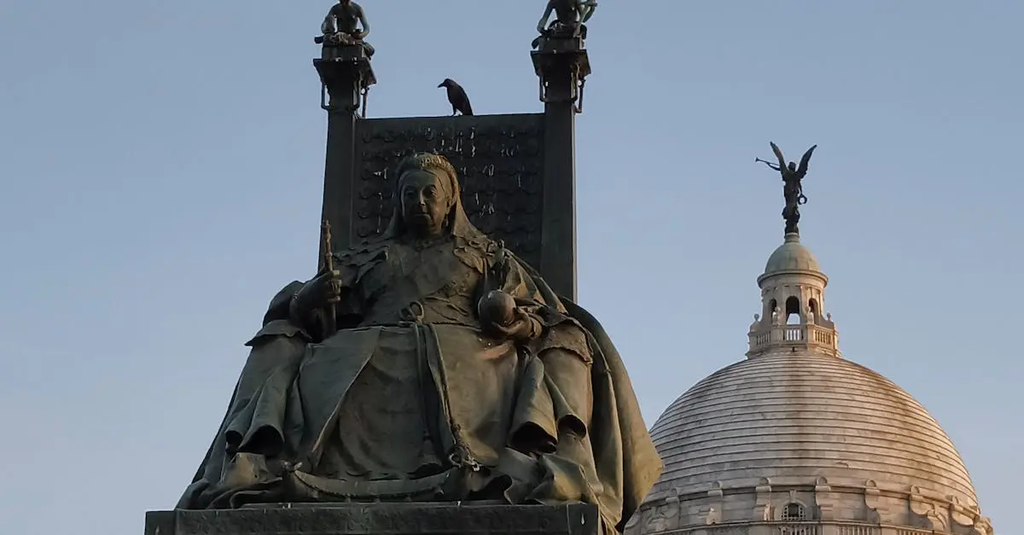
The phrase "Growth of Parliament: from privilege to power" refers to the historical evolution of parliamentary institutions, particularly in Britain, from exclusive bodies serving the interests of the elite to powerful legislative authorities representing broader society. Initially, Parliament protected the privileges of the nobility and clergy, but over time, it gained legislative supremacy, expanded its representation, and became a central force in governance, shaping laws and limiting the power of the monarchy.
Growth of Parliament: from privilege to power
The phrase "Growth of Parliament: from privilege to power" refers to the historical evolution of parliamentary institutions, particularly in Britain, from exclusive bodies serving the interests of the elite to powerful legislative authorities representing broader society. Initially, Parliament protected the privileges of the nobility and clergy, but over time, it gained legislative supremacy, expanded its representation, and became a central force in governance, shaping laws and limiting the power of the monarchy.
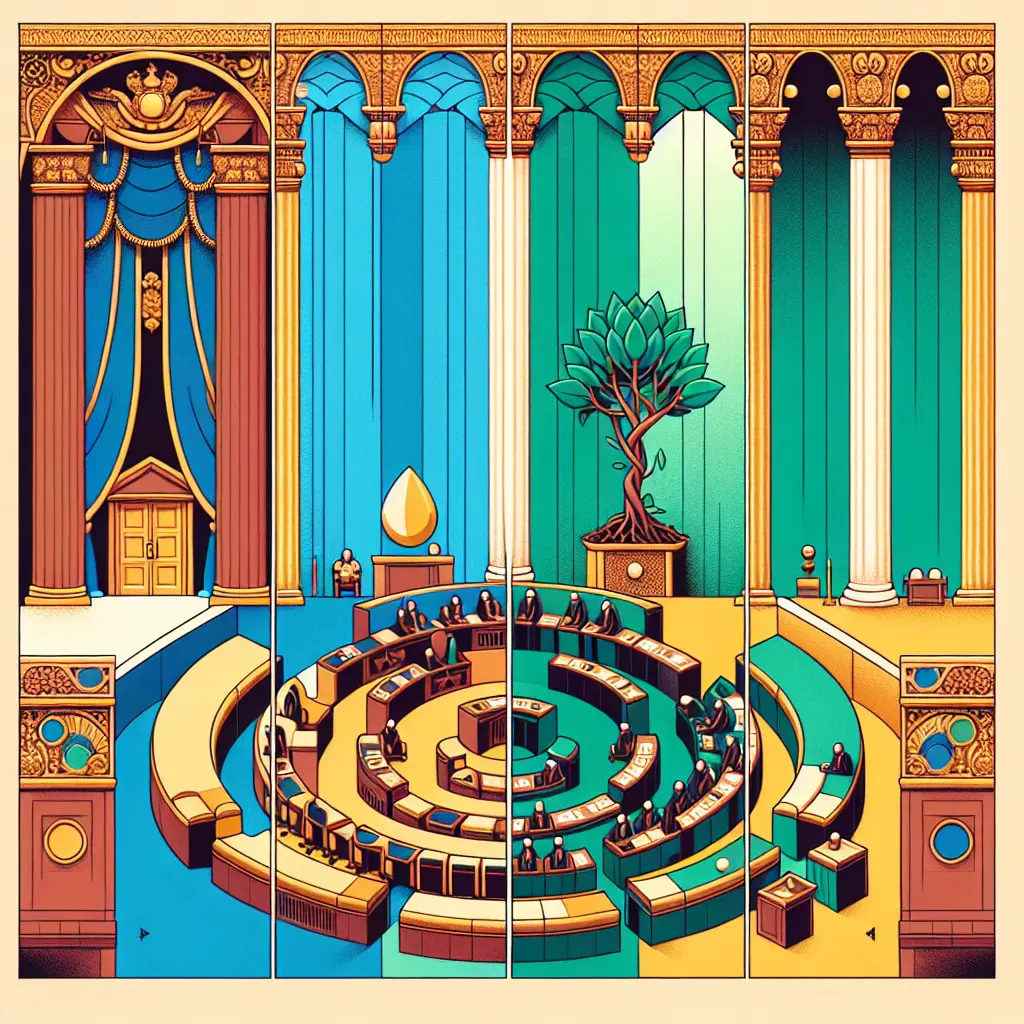
💡 Key Takeaways
- Trace how Britain's Parliament evolved from an elite, exclusive body to a representative institution that serves broader society.
- Identify key milestones—Magna Carta, the Model Parliament, and Reform Acts—that expanded Parliament's power.
- Explain how Parliament gained authority to levy taxes and pass laws, reducing royal prerogative.
- Explore how elections, political parties, and public opinion contributed to a more accountable and powerful legislature.
❓ Frequently Asked Questions
What does the phrase 'Growth of Parliament: from privilege to power' mean?
It describes Parliament's transformation from an exclusive body for the elite to a powerful national institution that can legislate, tax, and represent a broader public.
What are key milestones in Parliament's growth of power?
Magna Carta (1215) limited royal power; the Model Parliament (1295) broadened representation; the Petition of Right and Bill of Rights (17th century) constrained the Crown; Reform Acts (1832–1928) extended suffrage and strengthened Parliament.
How did the Reform Acts change representation?
They progressively broadened who could vote and where representatives came from, moving Parliament toward a more representative and legitimate legislature.
What is Parliament's role today in relation to the monarchy and government?
The monarch's role is largely ceremonial; Parliament makes laws, approves taxation, and scrutinizes the government. The Prime Minister and Cabinet are members of Parliament and are accountable to it.