The Gullah Geechee Cultural Heritage Corridor Sites are significant locations along the southeastern coast of the United States, stretching from North Carolina to Florida. These sites preserve and celebrate the unique culture, history, and traditions of the Gullah Geechee people—descendants of enslaved Africans. Visitors can explore historic communities, churches, plantations, and museums, gaining insight into the language, crafts, cuisine, and resilience of the Gullah Geechee culture.
Gullah Geechee Cultural Heritage Corridor Sites
The Gullah Geechee Cultural Heritage Corridor Sites are significant locations along the southeastern coast of the United States, stretching from North Carolina to Florida. These sites preserve and celebrate the unique culture, history, and traditions of the Gullah Geechee people—descendants of enslaved Africans. Visitors can explore historic communities, churches, plantations, and museums, gaining insight into the language, crafts, cuisine, and resilience of the Gullah Geechee culture.
💡 Key Takeaways
- Understand the origins of the Gullah Geechee people and how their history shaped the corridor’s culture.
- Identify iconic landmarks and lesser-known hidden gems along the North Carolina to Florida coast.
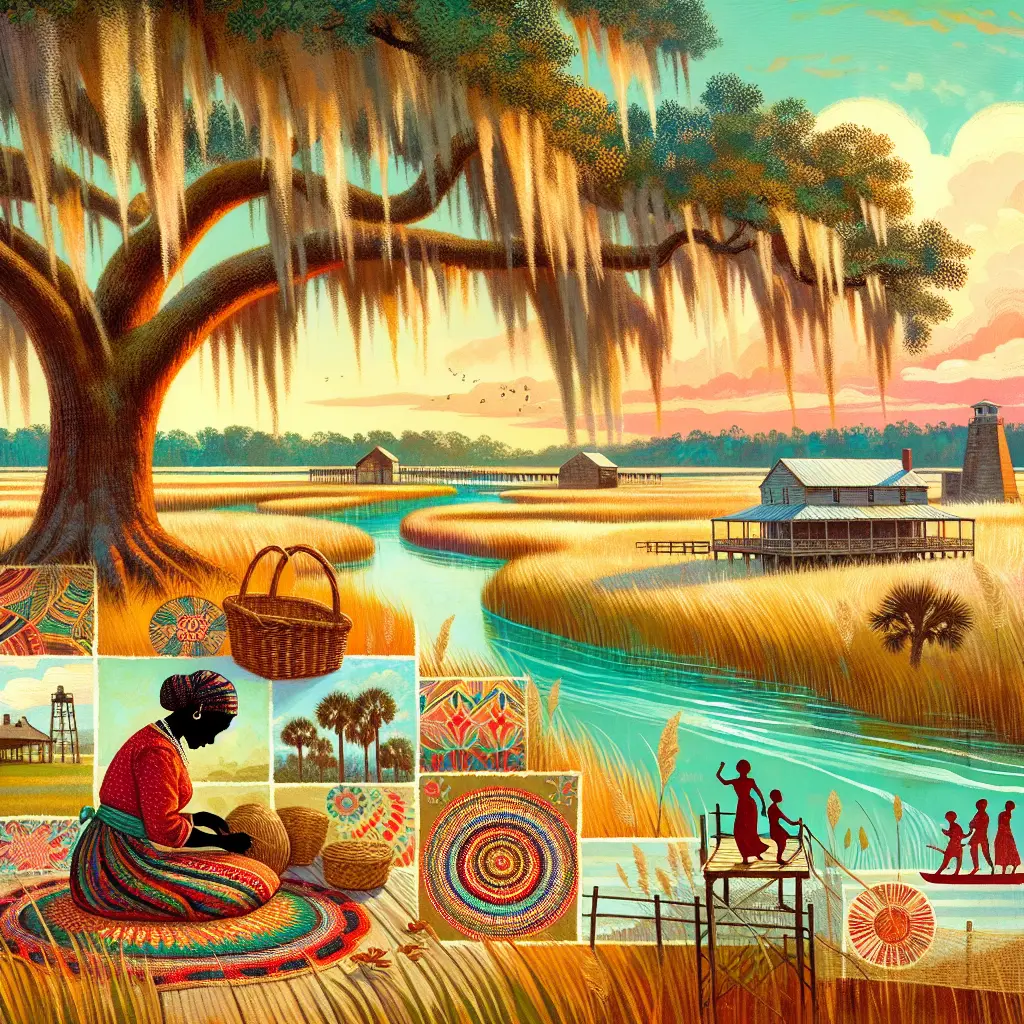
- Explore how sites preserve language, crafts (such as sweetgrass basket weaving), music, cuisine, and storytelling.
- Learn how to visit responsibly, support local communities, and contribute to preservation efforts.
❓ Frequently Asked Questions
What is the Gullah Geechee Cultural Heritage Corridor?
A designated National Heritage Area that preserves and celebrates the Gullah Geechee people's culture along the southeastern U.S. coast, from North Carolina to Florida.
Who are the Gullah Geechee people?
Descendants of enslaved Africans who formed distinct coastal communities in the Lowcountry and sea islands; they maintain unique language, crafts, cuisine, music, and traditions.
What types of sites can be found along the corridor?
Historic landmarks, museums, coastal villages, plantations, fishing communities, lighthouses, churches, and cultural centers that tell Gullah Geechee histories.
Which states are included in the corridor?
North Carolina, South Carolina, Georgia, and Florida.
How can visitors engage respectfully with these sites?
Learn before you go, use authorized tours and interpreters, follow site guidelines, respect private property and living communities, and support preservation.