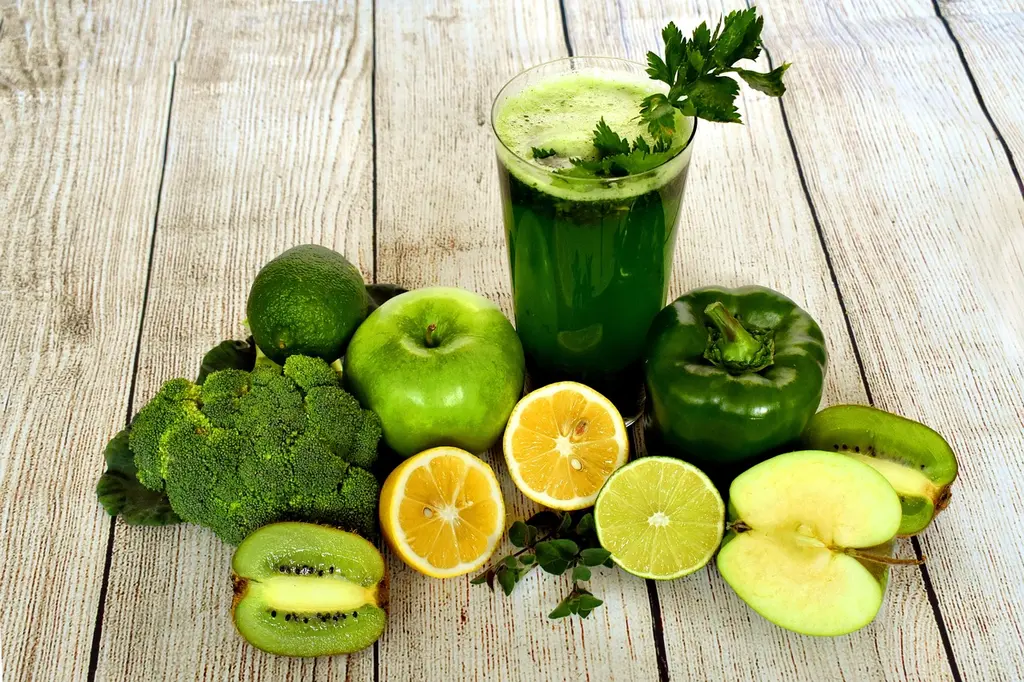
Gut health and diet are closely linked, as the foods we eat directly impact the balance of good bacteria in our digestive system. Adopting healthy habits, such as consuming a diverse range of fruits, vegetables, whole grains, and fermented foods, supports optimal gut function. Superfoods like yogurt, kefir, kimchi, and leafy greens provide essential nutrients and probiotics, promoting digestion, boosting immunity, and enhancing overall well-being.
Gut Health and Diet
Gut health and diet are closely linked, as the foods we eat directly impact the balance of good bacteria in our digestive system. Adopting healthy habits, such as consuming a diverse range of fruits, vegetables, whole grains, and fermented foods, supports optimal gut function. Superfoods like yogurt, kefir, kimchi, and leafy greens provide essential nutrients and probiotics, promoting digestion, boosting immunity, and enhancing overall well-being.

💡 Key Takeaways
- Understand how the gut microbiome affects digestion, immunity, and mood
- Identify dietary patterns that support a diverse, balanced gut microbiome
- Learn how fiber, prebiotics, and fermented foods benefit gut health
- Apply simple, gradual dietary changes to improve gut comfort and function
❓ Frequently Asked Questions
What is the gut microbiome and why does diet matter?
The gut microbiome is the trillions of bacteria living in your digestive tract. Diet shapes which microbes thrive and how they function, influencing digestion, immunity, and overall health.
How does fiber affect gut health?
Fiber feeds beneficial gut bacteria. Soluble fiber ferments into short‑chain fatty acids that support the gut lining, while insoluble fiber adds bulk and helps regularity.
Which foods support a healthy gut microbiome?
Plant-based, high‑fiber foods (fruits, vegetables, whole grains, legumes) plus fermented foods with live cultures (yogurt, kefir, sauerkraut). Limit highly processed foods and added sugars.
What is the difference between probiotics and prebiotics?
Probiotics are live beneficial bacteria in foods or supplements. Prebiotics are indigestible fibers that feed those bacteria and other gut microbes.