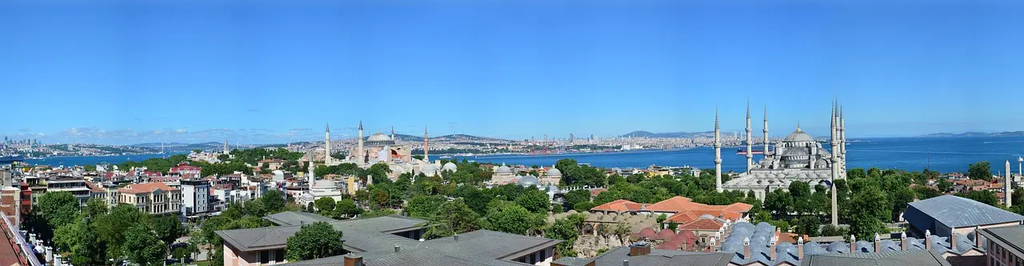
Hagia Sophia, located in Istanbul, Turkey, is a world-renowned architectural marvel and historical landmark. Originally constructed as a cathedral in 537 AD during the Byzantine Empire, it later served as a mosque and is now a museum. Famed for its massive dome, intricate mosaics, and grand scale, Hagia Sophia symbolizes the intersection of Christian and Islamic cultures, making it a significant wonder and a testament to human ingenuity and artistry.
Hagia Sophia
Hagia Sophia, located in Istanbul, Turkey, is a world-renowned architectural marvel and historical landmark. Originally constructed as a cathedral in 537 AD during the Byzantine Empire, it later served as a mosque and is now a museum. Famed for its massive dome, intricate mosaics, and grand scale, Hagia Sophia symbolizes the intersection of Christian and Islamic cultures, making it a significant wonder and a testament to human ingenuity and artistry.
💡 Key Takeaways
- Understand Hagia Sophia's historical evolution from a 6th-century Byzantine cathedral to an Ottoman mosque and to its modern cultural status, reflecting shifts in religion and politics.
- Identify architectural innovations, including the massive central dome and the use of pendentives that created a vast interior space.
- Explore the symbolic significance of Hagia Sophia in Christian and Islamic traditions and how it bridges two major world religions.
- Appreciate Hagia Sophia's influence on world architecture and its role in Istanbul's skyline, art, and tourism.
❓ Frequently Asked Questions
What is Hagia Sophia and where is it located?
Hagia Sophia is a historic building in Istanbul, Turkey, famous for its vast dome. It began as a Byzantine cathedral, later became a mosque, then a museum, and remains a key site today.
When was Hagia Sophia originally built and who designed it?
It was completed in 537 CE, commissioned by Emperor Justinian I, and designed by Anthemius of Tralles and Isidore of Miletus.
What makes Hagia Sophia's architecture notable?
Its enormous central dome and bold engineering for its time, along with a blend of Christian and later Islamic decorative elements and iconography.
How has Hagia Sophia been used through history and can visitors go inside today?
It has served as a Byzantine cathedral, a Ottoman mosque, and a Turkish museum. Today it is a major historic site open to visitors, with access influenced by current religious practices.