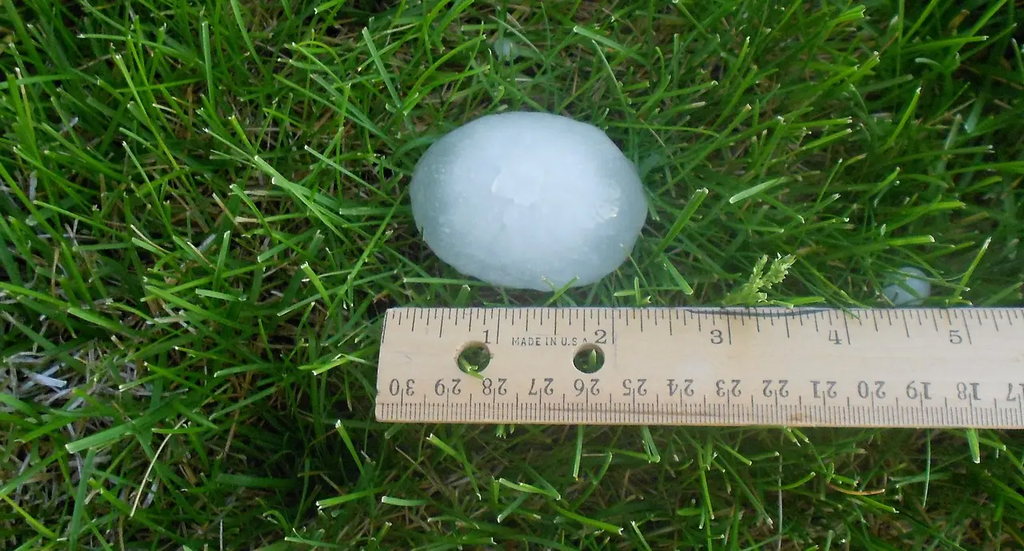
Hail, sleet, and freezing rain are three distinct types of wintry precipitation. Hail consists of hard, round balls of ice that form during strong thunderstorms. Sleet occurs when raindrops freeze into small ice pellets before reaching the ground. Freezing rain happens when rain falls through a layer of cold air near the surface, causing it to freeze upon contact with objects, creating a dangerous glaze of ice.
Hail, Sleet, and Freezing Rain
Hail, sleet, and freezing rain are three distinct types of wintry precipitation. Hail consists of hard, round balls of ice that form during strong thunderstorms. Sleet occurs when raindrops freeze into small ice pellets before reaching the ground. Freezing rain happens when rain falls through a layer of cold air near the surface, causing it to freeze upon contact with objects, creating a dangerous glaze of ice.
💡 Key Takeaways
- Distinguish hail, sleet, and freezing rain by their formation, appearance, and typical ground impacts.
- Explain how strong thunderstorm updrafts produce hail and why hail size varies.
- Describe how raindrops freeze into sleet before reaching the ground and the conditions required for this process.
- Define freezing rain and how passing through a warm layer followed by a cold surface layer creates icy glaze.
- Identify safety considerations and practical precautions during wintry precipitation events.
❓ Frequently Asked Questions
What is hail and how does it form?
Hail is hard ice that forms inside strong thunderstorm updrafts. Water freezes on a seed particle as it is carried upward, building layers until the pellet becomes too heavy and falls to the ground.
What is sleet and how does it form?
Sleet forms when raindrops fall through a deep layer of freezing air near the ground, freezing into small ice pellets before they reach the surface.
What is freezing rain and how does it form?
Freezing rain occurs when rain falls through a shallow layer of subfreezing air near the surface, becoming supercooled and then freezing on contact with surfaces, creating a glassy ice glaze.
How can you tell the difference between hail, sleet, and freezing rain, and why does it matter?
Hail consists of hard ice chunks or balls from thunderstorms; sleet is small translucent ice pellets that bounce on impact; freezing rain is liquid rain that freezes on contact, forming a smooth ice coating. The differences affect safety and travel plans during winter storms.