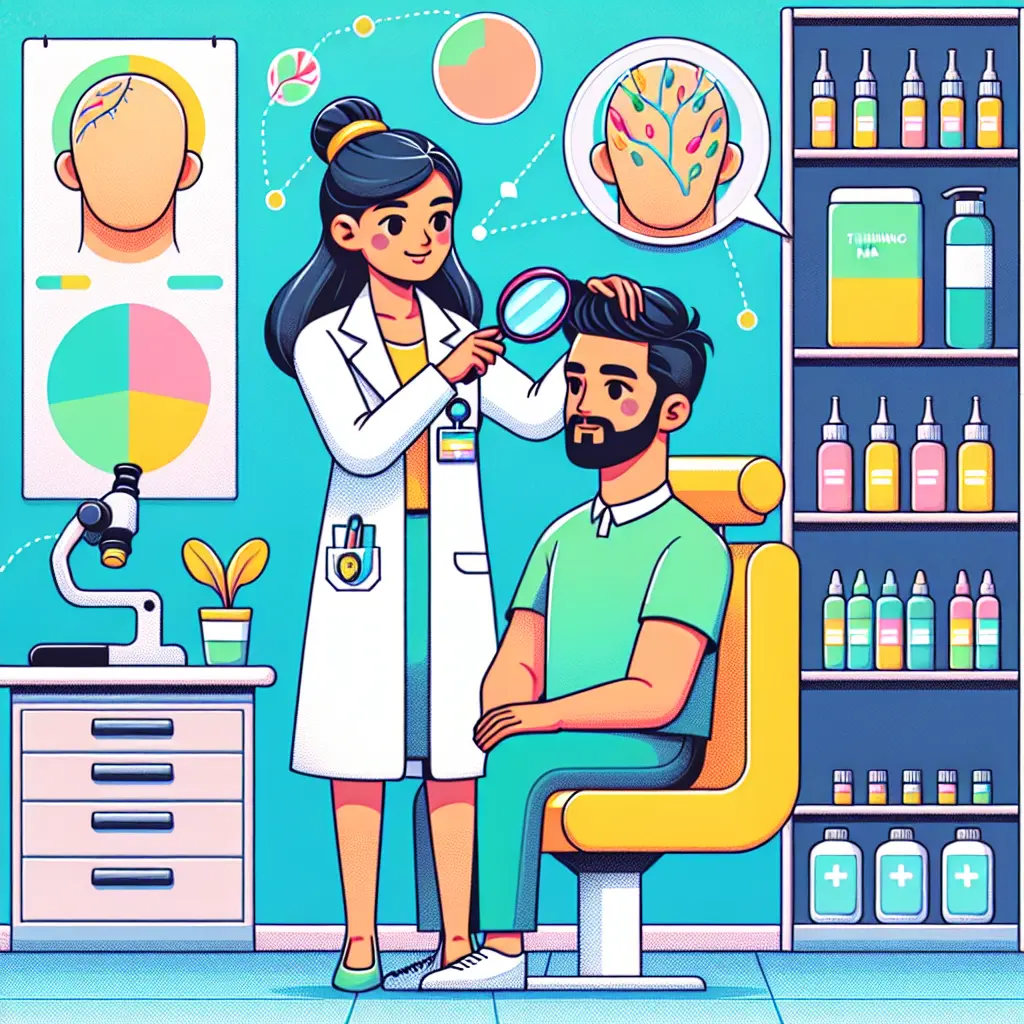
Hair coloring and chemical services involve altering the natural color, texture, or structure of hair using specialized products and techniques. These services include permanent, semi-permanent, and temporary hair dyes, as well as processes like highlights, balayage, and ombre. Chemical treatments may also refer to hair straightening, perming, or relaxing, which change hair’s texture. Professionals perform these services to enhance appearance, cover gray hair, or achieve a desired style.
Hair Coloring & Chemical Services
Hair coloring and chemical services involve altering the natural color, texture, or structure of hair using specialized products and techniques. These services include permanent, semi-permanent, and temporary hair dyes, as well as processes like highlights, balayage, and ombre. Chemical treatments may also refer to hair straightening, perming, or relaxing, which change hair’s texture. Professionals perform these services to enhance appearance, cover gray hair, or achieve a desired style.
💡 Key Takeaways
- Differentiate hair color products (permanent, semi-permanent, temporary) and explain when each is appropriate and how long results last.
- Understand color techniques like highlights, balayage, and ombre, including how placement, gradation, and processing affect the final look and maintenance.
- Recognize how chemical services can alter hair texture and structure (color lift/deposit, perms, relaxers) and the importance of strand tests and porosity assessment.
- Outline essential safety and aftercare steps (patch testing, ventilation, sanitation, processing times, heat usage, and color-safe maintenance) to protect hair integrity.
❓ Frequently Asked Questions
What are the main types of hair dye used in coloring services?
Permanent dyes lift and deposit color with a developer and can cover gray; semi-permanent dyes fade after several washes and don’t lift base color much; temporary dyes coat the hair surface and wash out quickly.
What are highlights, balayage, and ombre?
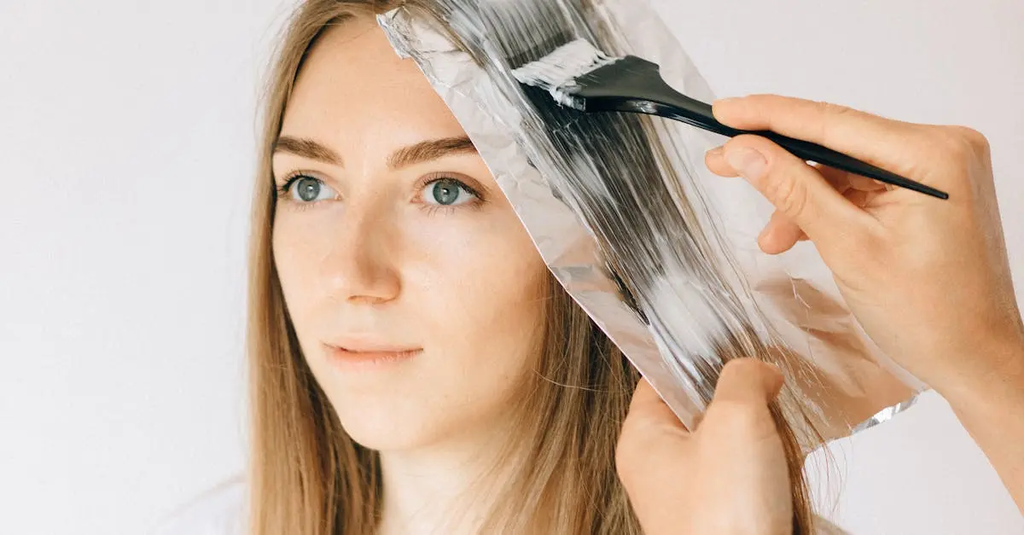
Highlights add lighter strands (often foiled) for defined brightness; balayage is a freehand painting technique for a soft, natural lift; ombre creates a gradual color transition from dark roots to lighter ends.
What is considered a chemical service in hair care?
Any service that uses chemicals to alter hair structure or color, including coloring, lightening, perms, relaxers, and some smoothing treatments.
What safety steps should I expect before a chemical service?
A patch test to check for allergies, a strand test to preview results, proper ventilation, and a discussion of hair history and desired outcome.