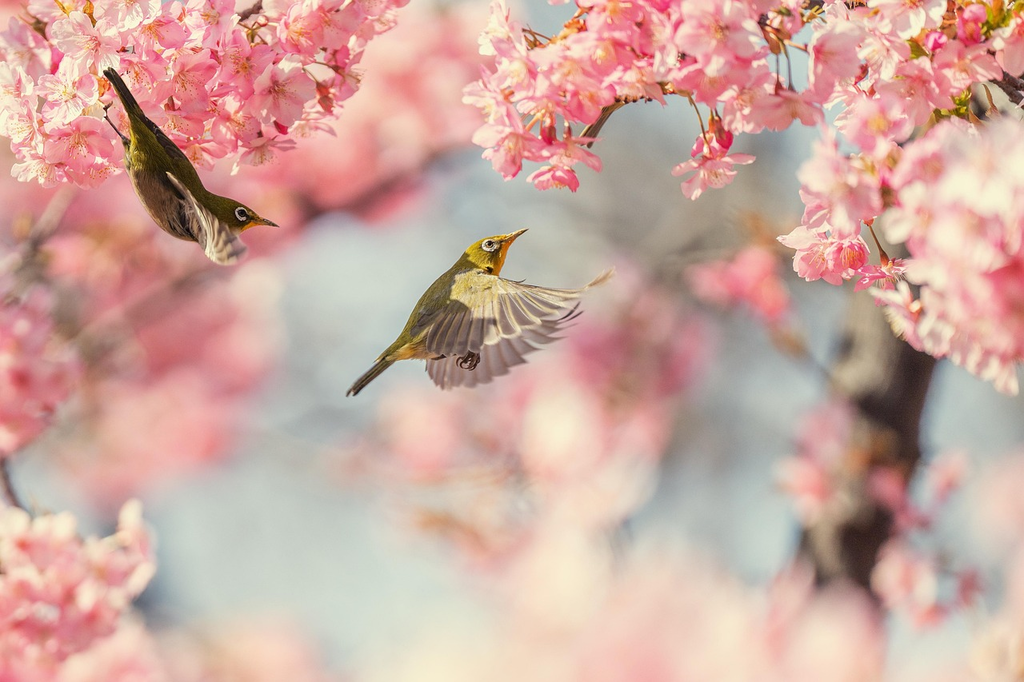
Hanami in Japan refers to the traditional custom of enjoying the transient beauty of cherry blossoms during spring. People gather in parks for picnics under blooming sakura trees, celebrating with food, drinks, and music. This centuries-old practice symbolizes renewal and the fleeting nature of life. Hanami is a joyful, communal event, attracting locals and tourists alike, and is deeply embedded in Japanese culture, marking the arrival of spring and fostering appreciation for nature’s beauty.
Hanami in Japan
Hanami in Japan refers to the traditional custom of enjoying the transient beauty of cherry blossoms during spring. People gather in parks for picnics under blooming sakura trees, celebrating with food, drinks, and music. This centuries-old practice symbolizes renewal and the fleeting nature of life. Hanami is a joyful, communal event, attracting locals and tourists alike, and is deeply embedded in Japanese culture, marking the arrival of spring and fostering appreciation for nature’s beauty.
💡 Key Takeaways
- Understand what Hanami is and why cherry blossoms are celebrated in Japan.
- Know when and where to experience Hanami (season, peak bloom, popular viewing spots).
- Learn etiquette and common practices for Hanami picnics and gatherings (respect for nature, cleanup, quiet enjoyment).
- Explore traditional foods, drinks, and activities often associated with Hanami (sakura treats, bento, tea).
❓ Frequently Asked Questions
What is Hanami?
Hanami is the Japanese tradition of enjoying cherry blossoms, usually by picnicking under blooming sakura trees in spring.
Which trees are associated with Hanami?
Cherry trees (sakura) are the main focus, though plum blossoms were historically celebrated as well.
When does Hanami typically occur?
In spring, with peak bloom varying by region (roughly late March to early April in Tokyo; later in northern areas). A sakura forecast tracks timing.
What activities are common during Hanami?
People picnic, eat bento or snacks, take photos, and enjoy the blossoms. Night viewings, called yozakura, are also popular at some sites.
How should visitors behave during Hanami?
Be respectful: clean up, don’t damage trees or park property, follow local rules, and keep noise and alcohol use appropriate for the site.