Hanukkah Across the Diaspora Communities refers to the diverse ways Jewish communities worldwide celebrate the Festival of Lights. While the core traditions—lighting the menorah, playing dreidel, and eating fried foods—remain constant, each diaspora community incorporates local customs, music, and flavors. This blending of heritage and regional culture highlights the adaptability of Hanukkah, fostering unity and resilience among Jews, even as they express their unique identities across continents.
Hanukkah Across the Diaspora Communities
Hanukkah Across the Diaspora Communities refers to the diverse ways Jewish communities worldwide celebrate the Festival of Lights. While the core traditions—lighting the menorah, playing dreidel, and eating fried foods—remain constant, each diaspora community incorporates local customs, music, and flavors. This blending of heritage and regional culture highlights the adaptability of Hanukkah, fostering unity and resilience among Jews, even as they express their unique identities across continents.
💡 Key Takeaways
- Identify the core Hanukkah traditions (menorah lighting, dreidel, fried foods) and their meanings across different communities.
- Learn how diaspora communities incorporate local customs, music, and flavors into Hanukkah celebrations.
- Compare regional variations in practice—menorah setups, candle lighting timing, and dreidel games across communities.
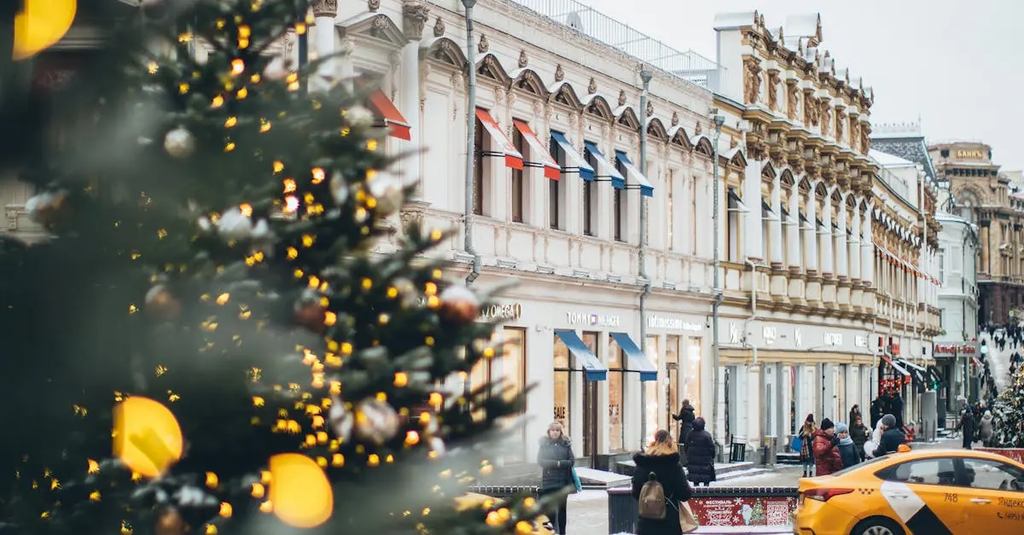
- Understand how Hanukkah intersects with the Christmas season in some places and what this reveals about culture, identity, and interfaith sharing.
❓ Frequently Asked Questions
What is Hanukkah, and what does the Festival of Lights commemorate?
Hanukkah marks the rededication of the Second Temple after the Maccabean revolt; the miracle of oil lasting eight days is central. Core traditions include lighting the menorah, playing dreidel, and eating fried foods; diaspora communities blend local customs as well.
How does the Hanukkah menorah work during the eight nights?
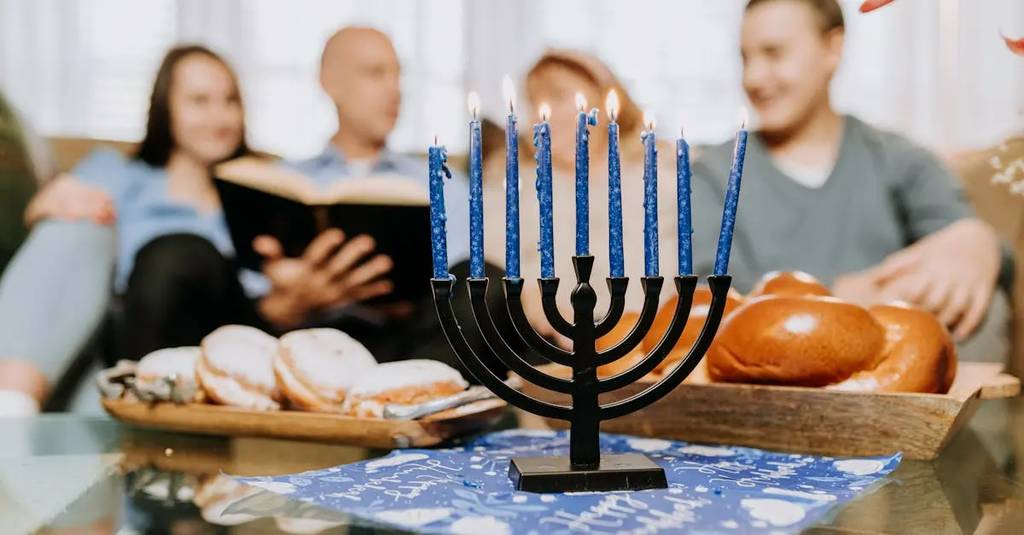
The menorah has nine branches: eight for each night plus a shamash (helper candle). A new candle is lit each night, typically using the shamash to light the others, from the newest to the oldest.
What is a dreidel and how is it played?
A four-sided spinning top with Hebrew letters (nun, gimel, hei, shin or peh). Players spin and perform actions based on the letter shown, often winning or adding to a pot of coins or tokens.
How can diaspora communities differ in Hanukkah celebrations?
The core rituals stay the same, but local foods, music, languages, and gift or charity customs vary—examples include latkes versus sufganiyot, songs in Hebrew or local languages, and regional traditions.