Hanukkah, also known as the Festival of Lights, is an eight-day Jewish festival commemorating the rededication of the Second Temple in Jerusalem and the miracle of the oil that lasted eight days. Jewish festivals, in general, celebrate historical events, religious milestones, and agricultural cycles. They include Passover, Rosh Hashanah, Yom Kippur, Sukkot, and Purim, each with unique rituals, foods, and traditions reflecting Jewish faith, history, and community values.
Hanukkah & Jewish Festivals
Hanukkah, also known as the Festival of Lights, is an eight-day Jewish festival commemorating the rededication of the Second Temple in Jerusalem and the miracle of the oil that lasted eight days. Jewish festivals, in general, celebrate historical events, religious milestones, and agricultural cycles. They include Passover, Rosh Hashanah, Yom Kippur, Sukkot, and Purim, each with unique rituals, foods, and traditions reflecting Jewish faith, history, and community values.
💡 Key Takeaways
- Understand that Hanukkah is the Festival of Lights, commemorating the rededication of the Second Temple in Jerusalem.
- Know the miracle of the oil lasting eight days.
- Recognize that Jewish festivals celebrate historical events, religious milestones, and agricultural cycles.
- Place Hanukkah within the wider Jewish festival calendar and identify its distinctive focus on temple rededication and the miracle of oil.
❓ Frequently Asked Questions
What is Hanukkah, and why is it celebrated?
Hanukkah is the Festival of Lights, an eight-day Jewish festival that commemorates the rededication of the Second Temple in Jerusalem after the Maccabean revolt and the miracle of oil lasting eight days.
What is a Hanukkiah and how is it used during Hanukkah?
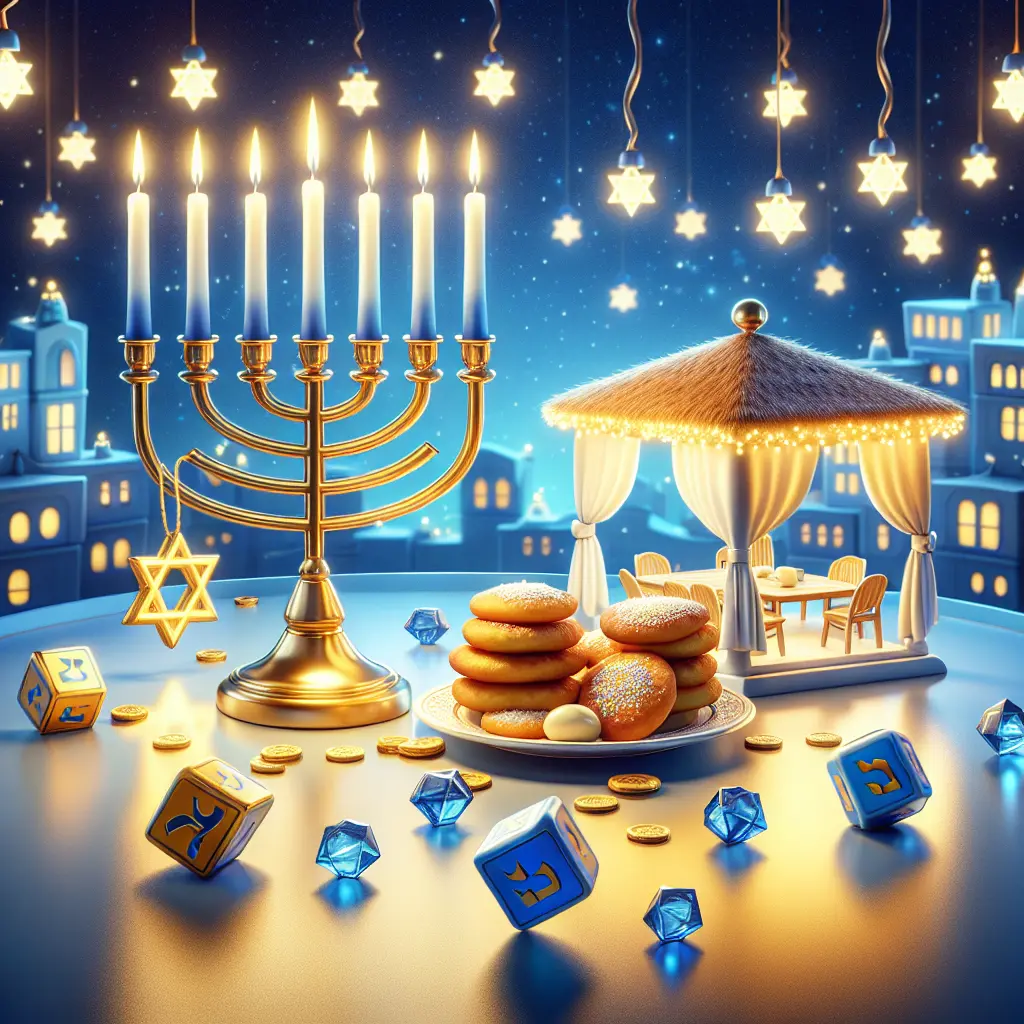
A Hanukkiah is a nine-branched menorah. Each night you light one more candle using the shamash (the helper candle), until all eight candles burn on the final night.
Why does Hanukkah last eight days?
The celebration honors the miracle of oil lasting eight days, allowing the Temple to be rededicated.
What foods are traditionally eaten during Hanukkah?
Dishes fried in oil, such as latkes and sufganiyot, are traditional to recall the miracle of the oil.
How is Hanukkah different from other Jewish festivals?
It commemorates a historical event—the rededication of the Temple—rather than a biblical commandment or agricultural cycle, and is celebrated with lights, dreidel, and fried foods.