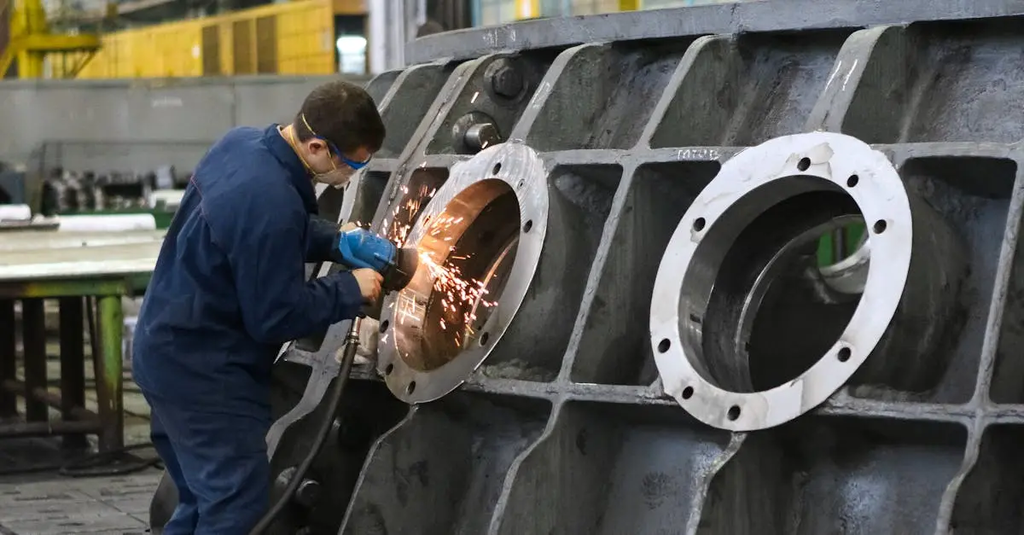
Hard-to-abate sectors refer to industries where reducing greenhouse gas emissions is particularly challenging due to technical, economic, or practical barriers. Examples include cement, steel, aviation, and shipping. These sectors often rely on fossil fuels or have complex processes that are difficult to decarbonize. Solutions typically involve technological innovation, such as carbon capture and storage, alternative fuels like hydrogen, improved energy efficiency, and supportive policies to drive investment and adoption of cleaner methods.
Hard-to-Abate Sectors and Solutions
Hard-to-abate sectors refer to industries where reducing greenhouse gas emissions is particularly challenging due to technical, economic, or practical barriers. Examples include cement, steel, aviation, and shipping. These sectors often rely on fossil fuels or have complex processes that are difficult to decarbonize. Solutions typically involve technological innovation, such as carbon capture and storage, alternative fuels like hydrogen, improved energy efficiency, and supportive policies to drive investment and adoption of cleaner methods.
💡 Key Takeaways
- Identify hard-to-abate sectors (cement, steel, aviation, shipping) and why their emissions are challenging to eliminate.
- Summarize key decarbonization strategies for these sectors, including energy efficiency, fuel switching to low-carbon fuels, electrification where feasible, and the use of alternative materials.
- Explain the role of carbon capture, utilization, and storage (CCUS) and low-carbon fuels in addressing residual emissions.
- Discuss policy, economic, and infrastructure factors that influence the feasibility and scaling of decarbonization, including pricing, incentives, and supply chain readiness.
❓ Frequently Asked Questions
What makes a sector 'hard to abate'?
Hard-to-abate sectors have high emissions and entrenched, energy-intensive processes with limited decarbonization options beyond efficiency gains, such as cement, steel, aviation, and shipping.
What decarbonization options are used in cement and steel?
Improve energy efficiency; switch to low-carbon fuels/electric power; deploy CCUS; for steel, use hydrogen-based direct reduction or electric furnaces, and for cement, clinker substitution and alternative binders.
How can aviation and shipping reduce emissions in the near term?
Adopt sustainable fuels (SAF for aviation; green methanol/ammonia for ships), improve efficiency (design, engines, aerodynamics), and optimize operations (routes, speeds).
What roles do CCUS and green hydrogen play in hard-to-abate sectors?
CCUS captures CO2 from high-emission processes; green hydrogen enables low-carbon steelmaking and fuels, complementing electrification and efficiency improvements.