Harvest festivals are annual celebrations held in many cultures to mark the gathering of crops at the end of the growing season. These festivals often involve communal feasts, music, dances, and rituals expressing gratitude for a successful harvest. They serve as an opportunity for communities to come together, honor agricultural traditions, and give thanks for nature’s bounty, ensuring prosperity and sustenance for the coming year.
Harvest Festivals
Harvest festivals are annual celebrations held in many cultures to mark the gathering of crops at the end of the growing season. These festivals often involve communal feasts, music, dances, and rituals expressing gratitude for a successful harvest. They serve as an opportunity for communities to come together, honor agricultural traditions, and give thanks for nature’s bounty, ensuring prosperity and sustenance for the coming year.
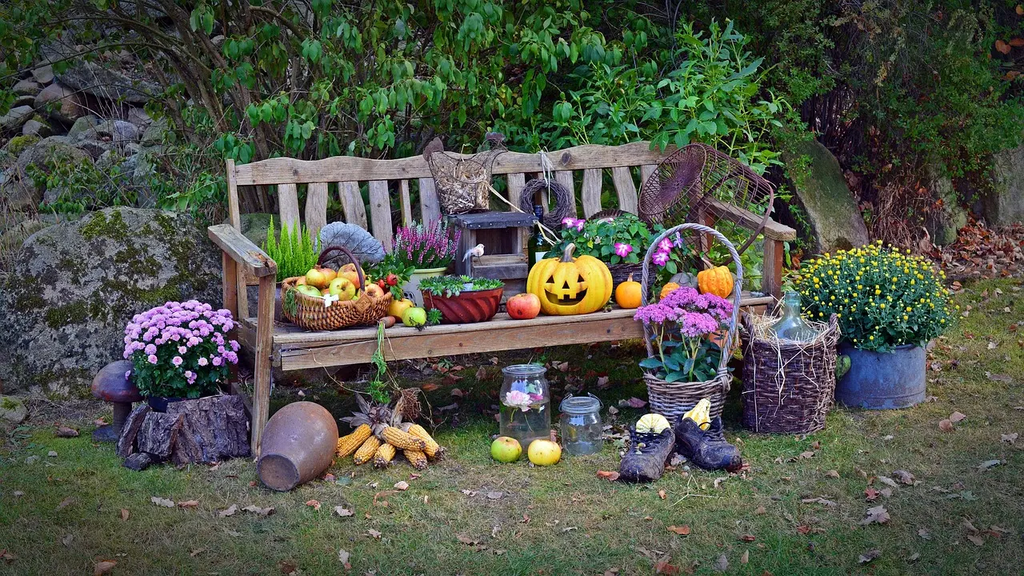
💡 Key Takeaways
- Understand the purpose and symbolism of harvest festivals across cultures.
- Identify common activities such as communal feasts, music, dances, and rituals and how they express gratitude and community ties.
- Recognize regional variety by exploring examples from different regions and how local crops shape celebrations.
- See how harvest festivals connect traditional practices to modern life, including themes of food sharing, sustainability, and cultural preservation.
❓ Frequently Asked Questions
What is a harvest festival?
A celebration held after crops are gathered, marking the end of the growing season and often expressing gratitude for a bountiful harvest.
What activities are commonly seen at harvest festivals?
Communal feasts, music, dancing, rituals, and sometimes markets or parades to celebrate and share the harvest.
Why are harvest festivals celebrated?
To thank communities for food, acknowledge seasonal changes, and strengthen social bonds through shared traditions.
Can you name some global examples of harvest festivals?
Examples include Thanksgiving (US/Canada), Pongal and Onam (India), and Sukkot (Judaism); many cultures have their own regional harvest celebrations.
How do harvest festivals relate to agriculture and the seasons?
They occur around harvest time, signaling the transition from growing to storing and feasting, and reflect the community’s reliance on seasonal crops.