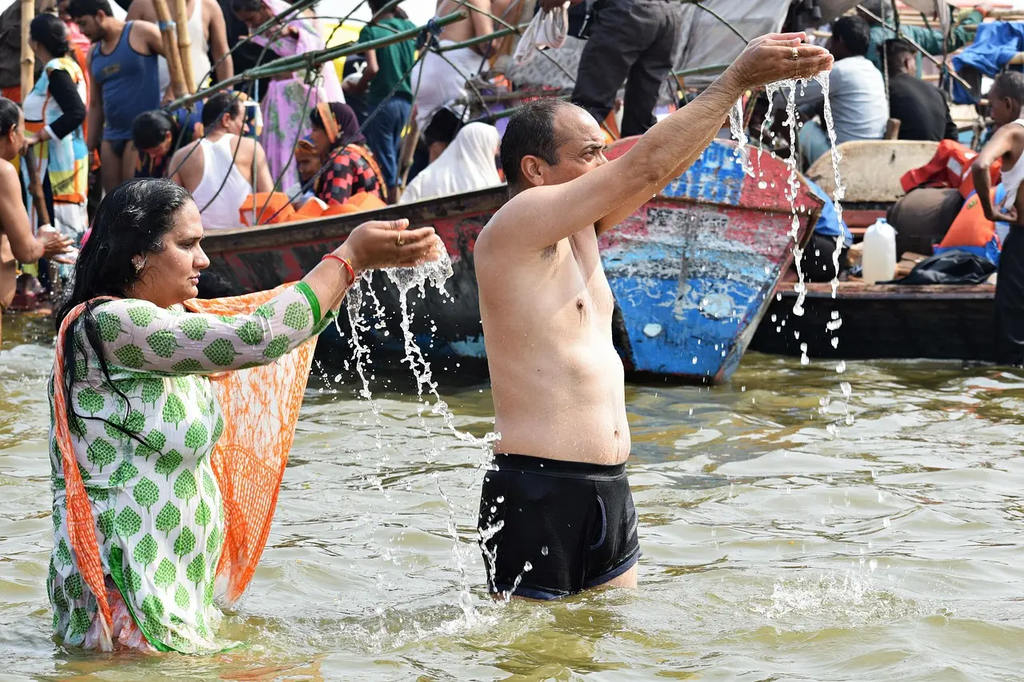
Harvest rituals and offerings are traditional ceremonies performed to express gratitude for a successful crop yield. Communities gather to honor deities, spirits, or ancestors believed to influence agricultural prosperity. These rituals often involve prayers, music, dances, and the presentation of the season’s first fruits or grains as offerings. The practices symbolize appreciation, seek continued blessings for future harvests, and reinforce communal bonds, reflecting the deep connection between people, land, and spiritual beliefs.
Harvest Rituals and Offerings
Harvest rituals and offerings are traditional ceremonies performed to express gratitude for a successful crop yield. Communities gather to honor deities, spirits, or ancestors believed to influence agricultural prosperity. These rituals often involve prayers, music, dances, and the presentation of the season’s first fruits or grains as offerings. The practices symbolize appreciation, seek continued blessings for future harvests, and reinforce communal bonds, reflecting the deep connection between people, land, and spiritual beliefs.
💡 Key Takeaways
- Understand the purpose of harvest rituals: gratitude for crops and farming success.
- Identify common elements like prayers, music, dances, and offerings.
- Learn how communities honor deities, spirits, or ancestors linked to the harvest.
- Explore how offerings reflect local crops and seasonal cycles across cultures.
- Compare harvest festival practices across regions and their social roles in communities.
❓ Frequently Asked Questions
What is the purpose of harvest rituals and offerings?
To express gratitude for a successful crop yield and seek continued agricultural prosperity by honoring deities, spirits, or ancestors.
Who do communities typically honor during these rituals?
Deities, spirits, or ancestors believed to influence farming, harvests, and soil fertility.
What common elements are found in harvest rituals?
Prayers or chants, music and dances, ceremonial offerings of crops or symbolic items, and communal meals.
Can you name examples of harvest festivals around the world?
Examples include Pongal in India, the Mid-Autumn Festival in East Asia, and Thanksgiving celebrations in North America—plus local harvest festivals worldwide.