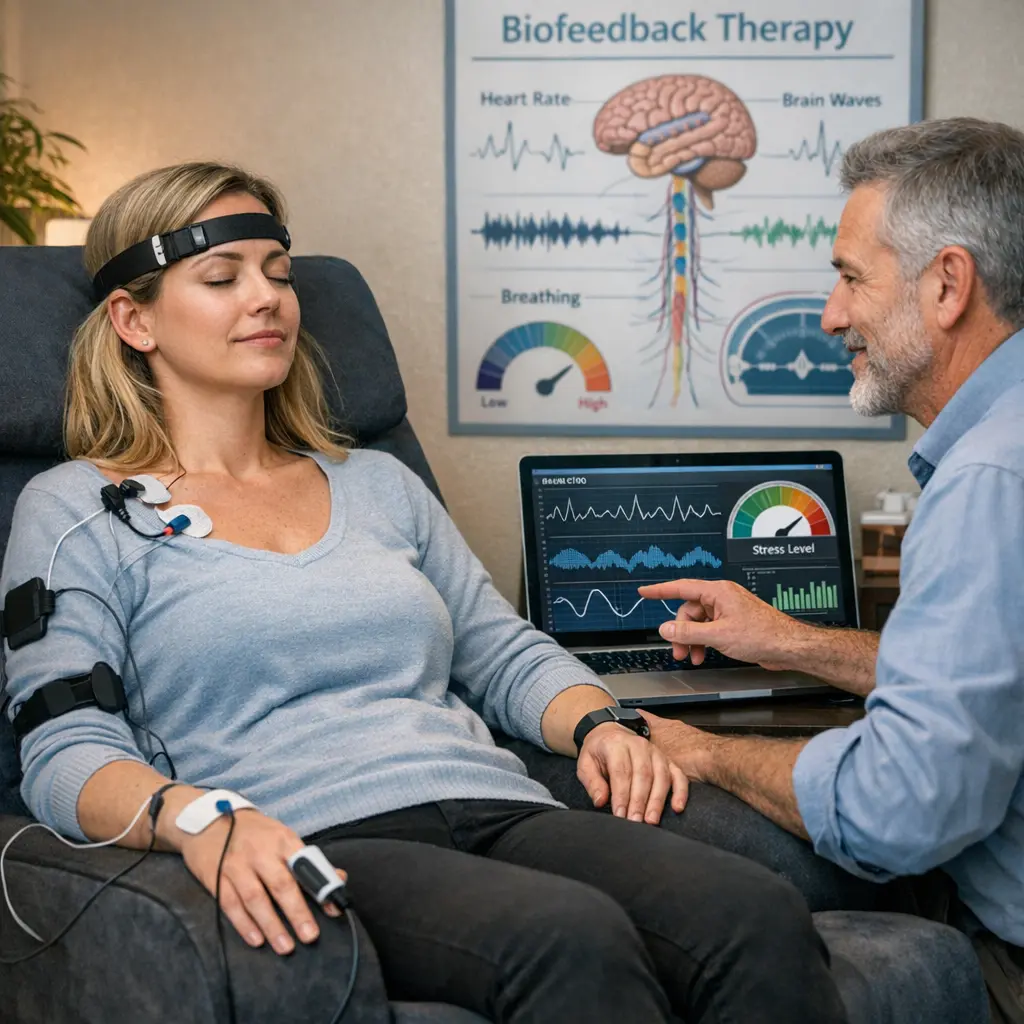
Healing through biofeedback involves using technology to monitor physiological processes like heart rate, muscle tension, and brainwaves, providing real-time feedback to the individual. By becoming aware of these bodily functions, people can learn to control them consciously, promoting relaxation and reducing symptoms of stress, anxiety, and chronic pain. This therapeutic technique empowers individuals to enhance their physical and emotional well-being, supporting recovery and overall health through self-regulation and mindfulness.
Healing Through Biofeedback
Healing through biofeedback involves using technology to monitor physiological processes like heart rate, muscle tension, and brainwaves, providing real-time feedback to the individual. By becoming aware of these bodily functions, people can learn to control them consciously, promoting relaxation and reducing symptoms of stress, anxiety, and chronic pain. This therapeutic technique empowers individuals to enhance their physical and emotional well-being, supporting recovery and overall health through self-regulation and mindfulness.
💡 Key Takeaways
- Understand what biofeedback is and how monitoring body signals can support healing.
- Identify common biofeedback signals (heart rate/HRV, skin temperature, muscle tension) and their meaning.
- Learn how feedback-driven techniques like breathing, relaxation, and mindfulness can reduce stress, pain, and improve sleep.
- Discover beginner-friendly steps to start a home biofeedback practice and know when to seek professional guidance.
❓ Frequently Asked Questions
What is biofeedback?
A technique that teaches you to influence physiological processes (like heart rate, muscle tension, or skin temperature) by watching real-time feedback from sensors.
How can biofeedback support healing and health?
By increasing awareness and voluntary control over bodily responses, it can reduce stress, lower blood pressure, ease chronic pain, improve sleep, and support recovery.
What are common biofeedback modalities?
EMG (muscle tension), HRV or heart-rate biofeedback, thermal biofeedback (skin temperature), EEG/neurofeedback, and skin-conductance measures.
How do you get started with biofeedback?
Work with a trained professional or use validated home devices, set clear goals, practice regularly, follow guidance, and track progress over time.