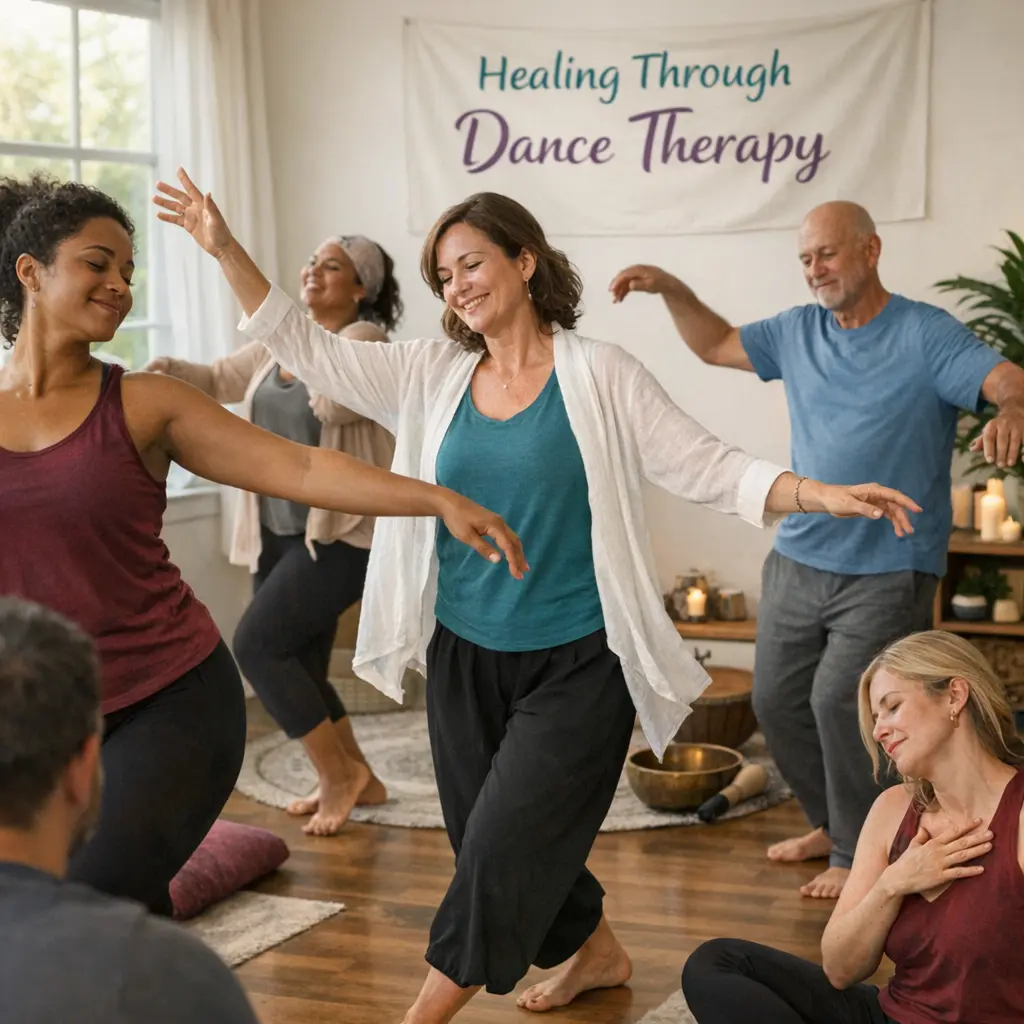
Healing through dance therapy involves using movement and dance as a therapeutic tool to promote emotional, mental, and physical well-being. This form of therapy encourages self-expression, helping individuals process emotions, reduce stress, and improve self-esteem. By connecting mind and body, dance therapy can aid in healing trauma, enhancing mood, and fostering a sense of community and support, making it a powerful holistic approach to overall health.
Healing Through Dance Therapy
Healing through dance therapy involves using movement and dance as a therapeutic tool to promote emotional, mental, and physical well-being. This form of therapy encourages self-expression, helping individuals process emotions, reduce stress, and improve self-esteem. By connecting mind and body, dance therapy can aid in healing trauma, enhancing mood, and fostering a sense of community and support, making it a powerful holistic approach to overall health.
💡 Key Takeaways
- Understand what dance therapy is and how movement supports physical, emotional, and psychological healing
- Learn how dance therapy fosters emotional regulation, body awareness, and self-expression
- Identify common dance therapy techniques (e.g., movement improvisation, mirroring, grounding) and their purposes
- Apply basic dance-therapy concepts to daily self-care or group activities to support well-being
❓ Frequently Asked Questions
What is dance therapy?
A therapy that uses movement and body awareness to support emotional, cognitive, social, and physical well‑being, guided by a trained dance/movement therapist.
How can dance therapy help with healing?
It can reduce tension, improve mood and body connection, ease anxiety, and build coping skills and self-expression.
What happens in a typical session?
Sessions usually include warm‑ups, guided or improvised movement, and reflection to connect feelings with movement, all tailored to safety and individual goals.
Who can benefit from dance therapy?
People of all ages and abilities, including those with trauma, anxiety/depression, neurological or physical conditions, or mobility limitations (movements can be adapted).
How is it different from other therapies?
It centers on movement guided by a credentialed therapist, often complementing talk therapies and using the body as a tool for expression and change.