The phrase "Health, Illness & Medical Cultures (Culture, Religion & Society)" refers to how cultural beliefs, religious practices, and societal norms shape perceptions of health and illness. It highlights the ways in which different communities understand, experience, and respond to sickness, healing, and healthcare. This includes traditional medicine, spiritual healing, and the influence of cultural values on medical decisions, patient care, and the doctor-patient relationship within various social contexts.
Health, Illness & Medical Cultures
The phrase "Health, Illness & Medical Cultures (Culture, Religion & Society)" refers to how cultural beliefs, religious practices, and societal norms shape perceptions of health and illness. It highlights the ways in which different communities understand, experience, and respond to sickness, healing, and healthcare. This includes traditional medicine, spiritual healing, and the influence of cultural values on medical decisions, patient care, and the doctor-patient relationship within various social contexts.
💡 Key Takeaways
- How cultural beliefs shape health and illness perceptions.
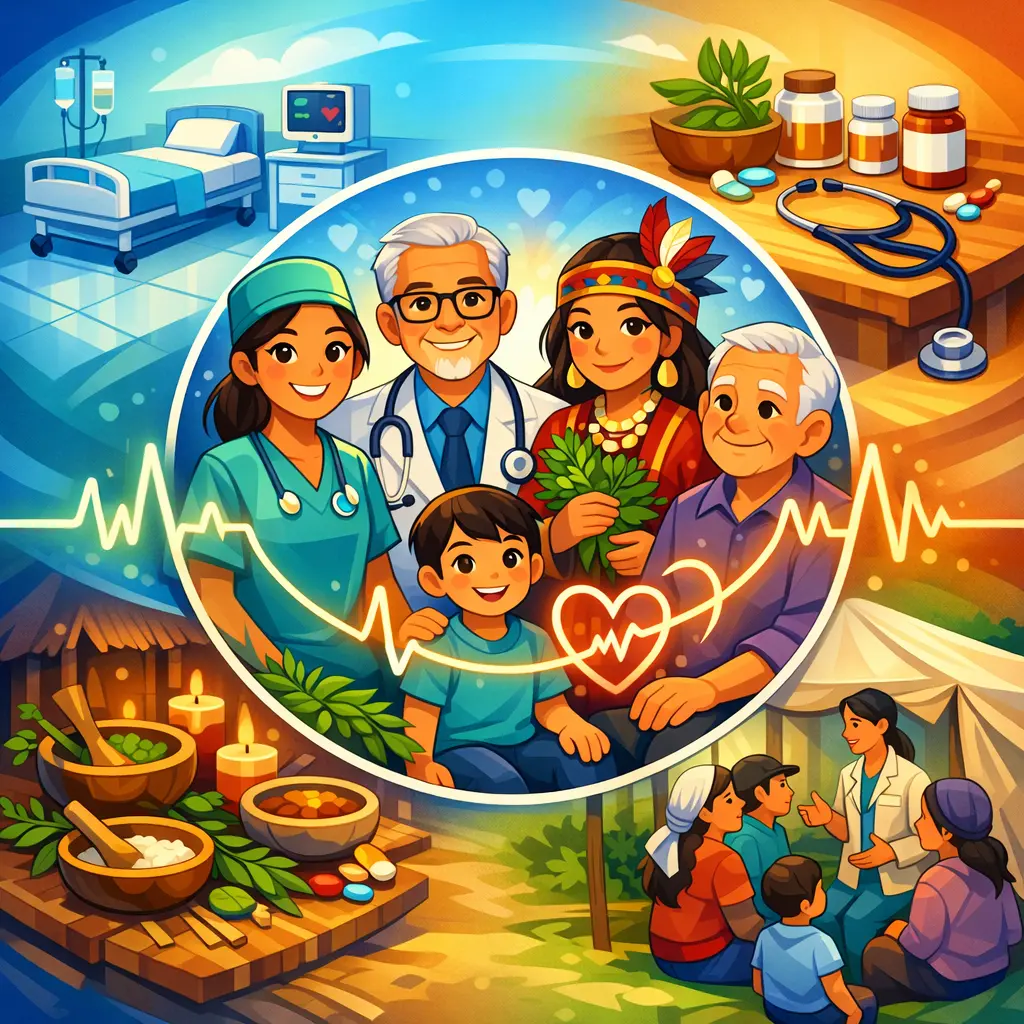
- Biomedical models vs. traditional and community healing practices.
- Barriers to care: stigma, language, and access disparities.
- Skills for culturally sensitive communication in healthcare.
❓ Frequently Asked Questions
What does 'health' mean in a medical context?
Health is a state of physical, mental, and social well-being, not merely the absence of disease or symptoms.
What is the difference between illness and disease?
A disease is a medically diagnosed condition with identifiable pathology, while illness is your personal experience of feeling unwell.
What is medical culture and why does it matter in care?
Medical culture includes the norms, practices, and communication styles of healthcare teams, influencing how patients and clinicians interact and make decisions.
What is cultural humility in healthcare?
Cultural humility is an ongoing commitment to self-reflection, recognizing limits of one's own perspective, and partnering with patients to respect their beliefs.
What is medical pluralism and why is it relevant?
Medical pluralism is the coexistence of multiple healing systems (e.g., biomedicine and traditional medicine) within a culture, shaping patient choices and care plans.