"Healthy Buildings: IAQ Sensors and Active Monitoring" refers to the use of advanced indoor air quality (IAQ) sensors and real-time monitoring systems in construction technology. These tools continuously track pollutants, humidity, temperature, and other air quality parameters. By providing actionable data, they help maintain safe, comfortable, and healthy indoor environments, ensuring compliance with health standards and enhancing occupant well-being in modern buildings.
Healthy Buildings: IAQ Sensors and Active Monitoring
"Healthy Buildings: IAQ Sensors and Active Monitoring" refers to the use of advanced indoor air quality (IAQ) sensors and real-time monitoring systems in construction technology. These tools continuously track pollutants, humidity, temperature, and other air quality parameters. By providing actionable data, they help maintain safe, comfortable, and healthy indoor environments, ensuring compliance with health standards and enhancing occupant well-being in modern buildings.
💡 Key Takeaways
- Understand what indoor air quality (IAQ) is and why it matters for health and comfort in buildings.
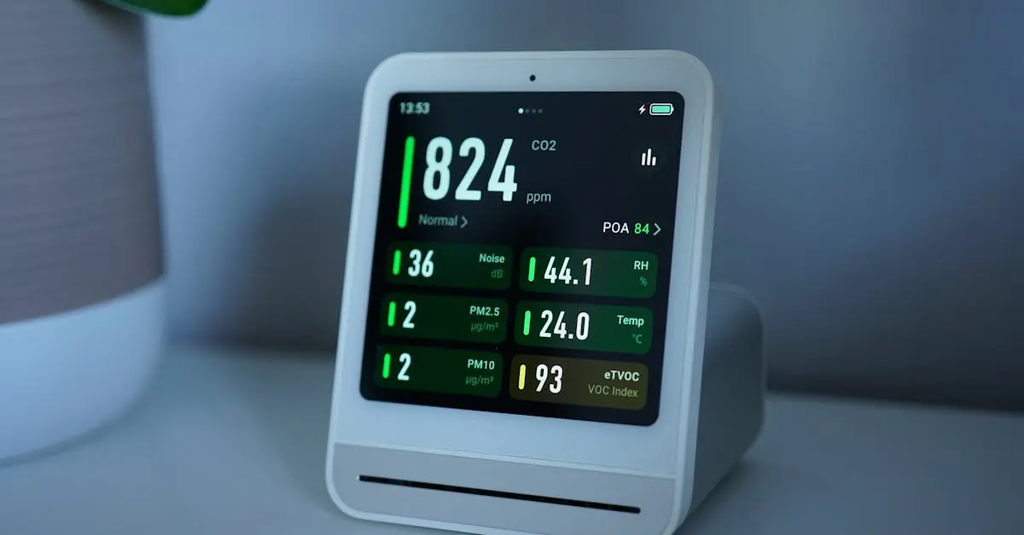
- Identify common IAQ sensors (CO2, PM2.5, VOCs, humidity) and what each measures.
- Learn how active IAQ monitoring differs from passive monitoring and why real-time data supports better decisions.
- Discover practical steps to improve IAQ based on sensor readings (adjust ventilation, enhance filtration, control sources, and maintain equipment).
❓ Frequently Asked Questions
What is Indoor Air Quality (IAQ) and why does it matter in healthy buildings?
IAQ is the air quality inside buildings. Good IAQ supports health, comfort, and productivity; poor IAQ can cause headaches, irritation, or fatigue.
What do IAQ sensors typically measure?
Common measurements include CO2, PM2.5/PM10, VOCs, temperature, and humidity; some sensors also monitor ozone or carbon monoxide.
What is active IAQ monitoring?
Active monitoring uses continuous or frequent sensor data with real-time alerts and automated actions (e.g., adjusting ventilation) to keep air quality within targets.
What are best practices for using IAQ sensors in buildings?
Place sensors away from direct vents or sunlight, use calibrated devices, set sensible thresholds, and maintain sensors regularly; use data to optimize ventilation and filtration.