Healthy cooking methods, such as steaming, grilling, baking, and sautéing, help preserve nutrients and reduce the need for excessive fats. Using oils like olive, canola, or avocado oil, which are high in unsaturated fats, supports heart health and lowers bad cholesterol. Avoiding deep-frying and minimizing the use of saturated fats, such as butter and lard, further promotes a nutritious diet and overall well-being.
Healthy Cooking Methods & Oils
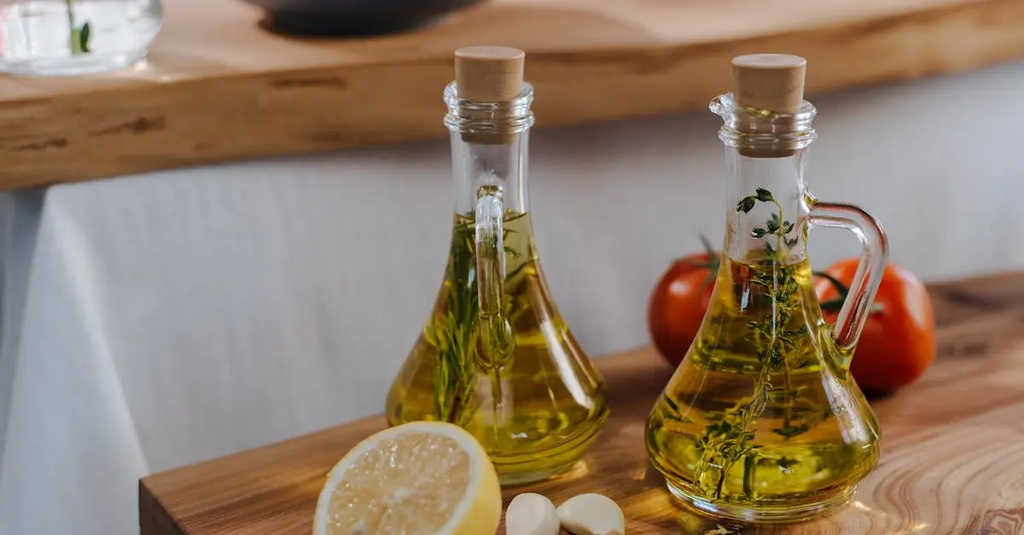
Healthy cooking methods, such as steaming, grilling, baking, and sautéing, help preserve nutrients and reduce the need for excessive fats. Using oils like olive, canola, or avocado oil, which are high in unsaturated fats, supports heart health and lowers bad cholesterol. Avoiding deep-frying and minimizing the use of saturated fats, such as butter and lard, further promotes a nutritious diet and overall well-being.
💡 Key Takeaways
- Identify healthy cooking methods like steaming, grilling, baking, and sautéing that preserve nutrients and reduce fat.
- Understand how unsaturated fats from olive, canola, and avocado oils support heart health and lower LDL cholesterol.
- Compare dry-heat and moist-heat methods to decide which preserves nutrients best for different foods.
- Avoid deep-frying and choose lighter techniques to cut unwanted fats without sacrificing flavor.
- Get practical tips to use healthier oils and cooking techniques in everyday meals.
❓ Frequently Asked Questions
What healthy cooking methods are recommended in this article?
Steaming, grilling, baking, and sautéing help preserve nutrients and reduce the need for added fats compared with deep-frying.
Why are oils like olive, canola, and avocado oil encouraged?
They contain unsaturated fats that support heart health and can help lower LDL cholesterol when used in place of saturated fats. Use them in moderation due to calories.
What cooking habit should be avoided for healthier meals?
Deep-frying adds a lot of fat and calories and can create unhealthy compounds, so it’s best avoided.
How can you minimize fat while cooking?
Use nonstick pans, measure or spray oil, favor methods that use little or no oil, and drain excess fat after cooking.
Which oil is suitable for high-heat cooking?
Avocado oil has a high smoke point, making it good for high-heat grilling or sautéing; refined olive oil is also suitable for higher-heat cooking, while extra-virgin olive oil is best for dressings or medium heat.