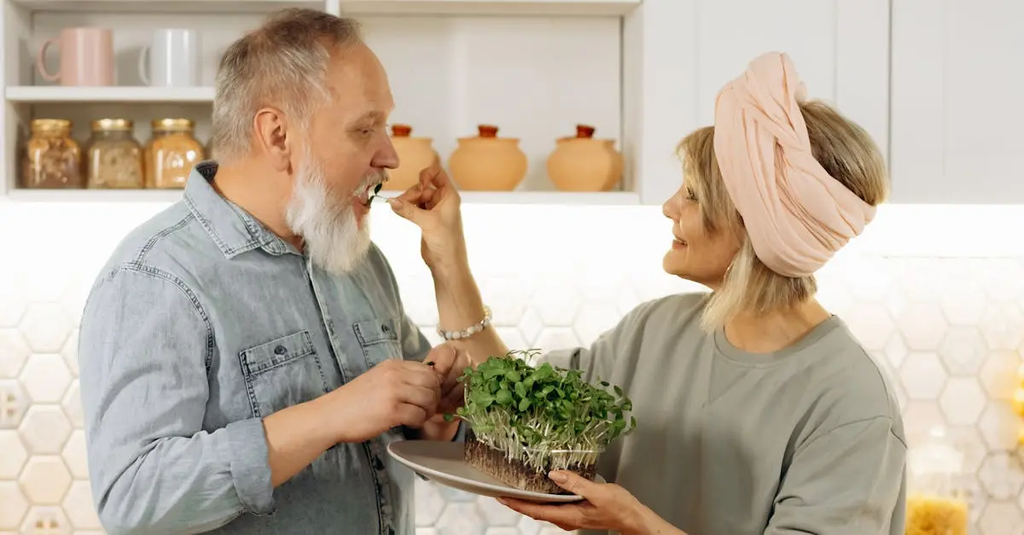
Healthy snacking strategies involve choosing nutrient-dense foods, such as fruits, vegetables, nuts, and yogurt, to satisfy hunger between meals. These strategies include portion control, planning snacks in advance, and avoiding processed or sugary options. Incorporating protein and fiber helps keep you fuller for longer, while mindful eating prevents overeating. By making thoughtful snack choices, you can maintain energy levels, support overall health, and avoid unnecessary calorie intake throughout the day.
Healthy Snacking Strategies
Healthy snacking strategies involve choosing nutrient-dense foods, such as fruits, vegetables, nuts, and yogurt, to satisfy hunger between meals. These strategies include portion control, planning snacks in advance, and avoiding processed or sugary options. Incorporating protein and fiber helps keep you fuller for longer, while mindful eating prevents overeating. By making thoughtful snack choices, you can maintain energy levels, support overall health, and avoid unnecessary calorie intake throughout the day.
💡 Key Takeaways
- Choose nutrient-dense snacks (fruits, vegetables, nuts, yogurt) to curb hunger between meals.
- Practice portion control to avoid overeating.
- Plan snacks in advance to ensure healthier options are available.
- Prioritize snacks with protein and fiber to improve fullness and steady energy.
- Limit processed and sugary options to support overall health.
❓ Frequently Asked Questions
What makes a snack nutrient-dense?
A snack that supplies vitamins, minerals, protein, fiber, and healthy fats with relatively few calories—focus on whole, minimally processed foods like fruit, vegetables, nuts, yogurt, and whole grains.
Why are protein and fiber important in snacking?
Protein and fiber promote fullness, slow digestion, and help control hunger between meals, supporting better portion control.
How can I plan and portion snacks effectively?
Plan ahead, portion single servings, keep healthy options accessible, and avoid eating directly from large packages to prevent mindless grazing.
Can you share healthy snack ideas?
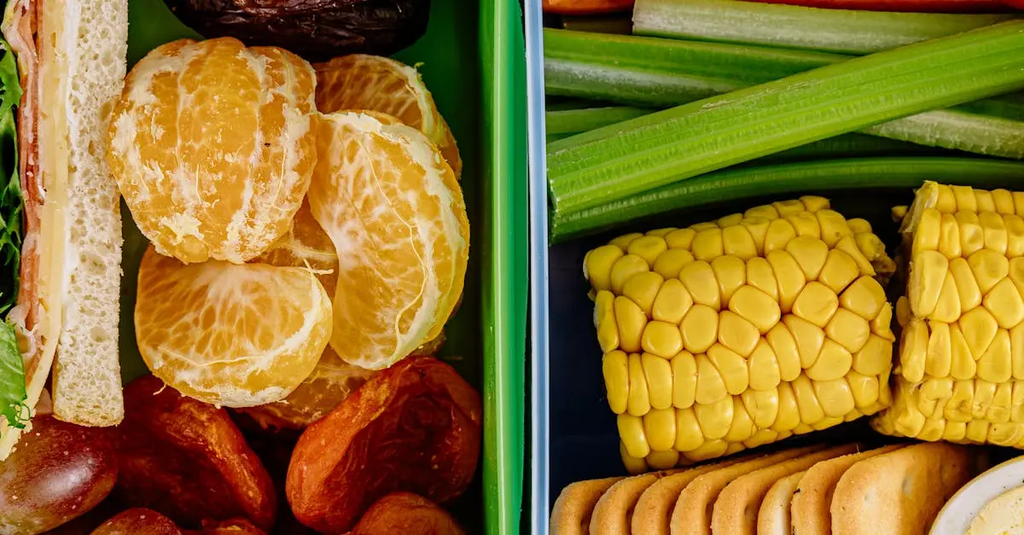
Examples include apple slices with peanut butter, carrot sticks with hummus, a small handful of nuts with cheese, yogurt with berries, or whole-grain crackers with avocado.