Healthy snacking tips focus on choosing nutrient-dense foods and maintaining balanced eating habits. Opt for whole foods like fruits, nuts, seeds, and yogurt instead of processed snacks. Incorporate superfoods such as berries, chia seeds, and almonds for added vitamins and antioxidants. Practice portion control, avoid sugary treats, and plan snacks in advance to prevent overeating. Staying hydrated and mindful eating are also key to developing healthy snacking habits.
Healthy Snacking Tips+50
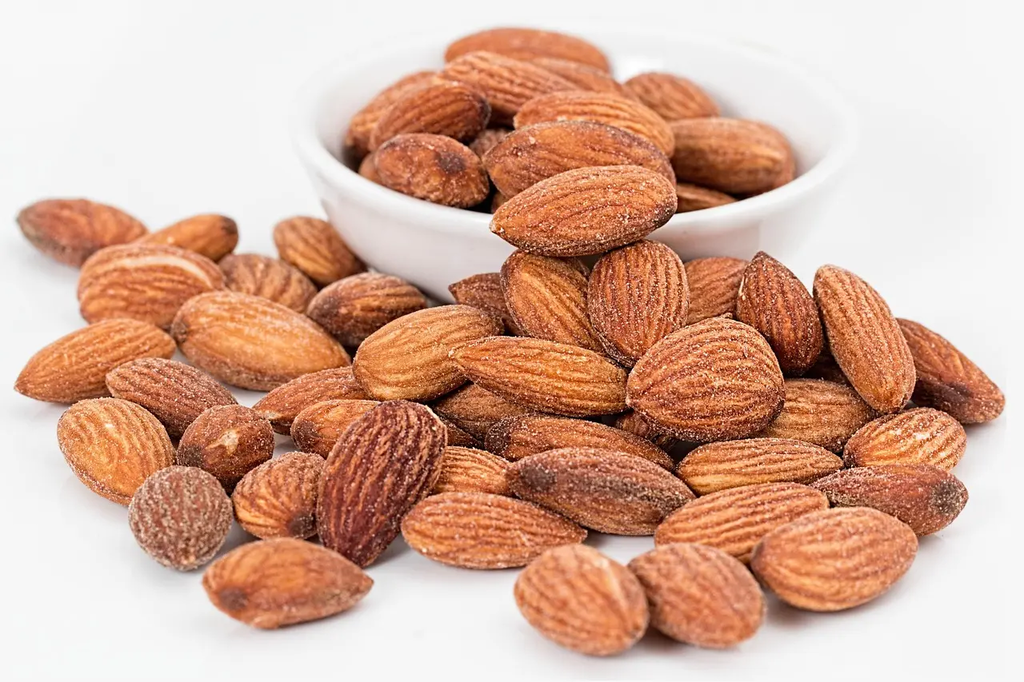
Healthy snacking tips focus on choosing nutrient-dense foods and maintaining balanced eating habits. Opt for whole foods like fruits, nuts, seeds, and yogurt instead of processed snacks. Incorporate superfoods such as berries, chia seeds, and almonds for added vitamins and antioxidants. Practice portion control, avoid sugary treats, and plan snacks in advance to prevent overeating. Staying hydrated and mindful eating are also key to developing healthy snacking habits.
💡 Key Takeaways
- Choose snacks that combine protein, fiber, and healthy fats to stay full longer
- Practice portion control with pre-portioned servings and mindful eating
- Read nutrition labels to limit added sugars and high-sodium ingredients
- Plan and prep quick, tasty options like fruit with nuts, veggie sticks with hummus, or yogurt bowls
❓ Frequently Asked Questions
What counts as a healthy snack?
A snack with a protein or fiber source plus a small portion of healthy carbs, kept to a moderate amount (about 150–200 calories).
How can I prevent snack cravings between meals?
Eat balanced meals with protein and fiber, stay hydrated, and have pre-portioned snacks ready to avoid impulse choices.
Should I avoid all sugar in snacks?
No—limit added sugars. Prefer whole, minimally processed snacks and check labels for added sugars.
Can you give quick, healthy snack ideas?
Examples: Greek yogurt with berries, apple with peanut butter, carrot sticks with hummus, a handful of almonds, or air‑popped popcorn.
How should I choose portable snacks?
Choose easy-to-pack, non-perishable or ready-to-eat options in appropriate portions, like nuts, fruit, cheese sticks, or whole‑grain crackers.