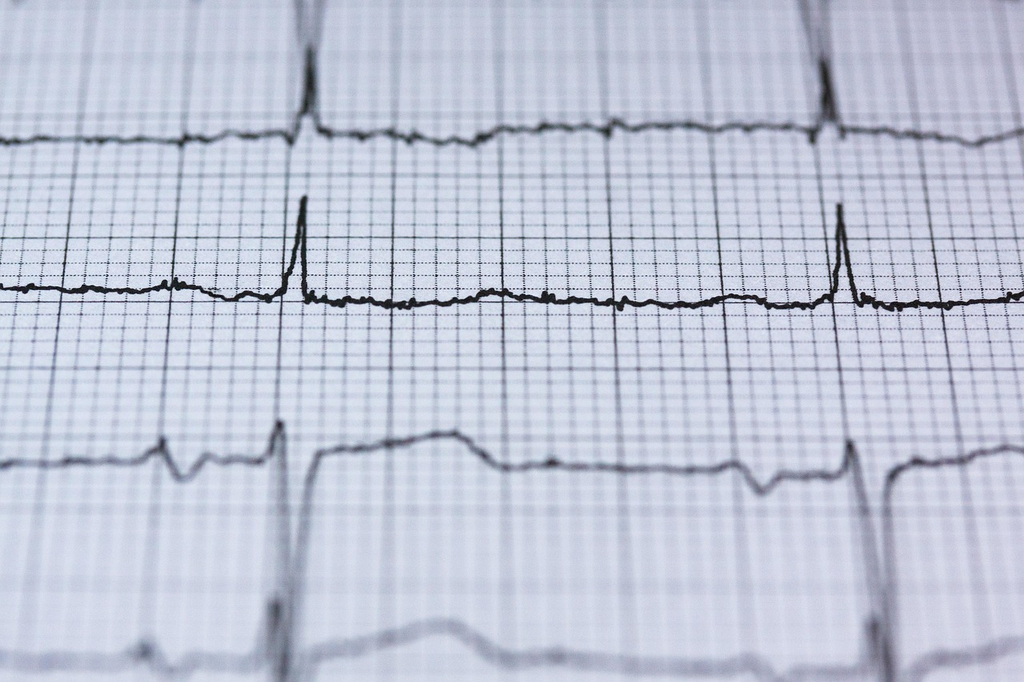
Heart disease risk factors are conditions or behaviors that increase the likelihood of developing heart-related problems. These include high blood pressure, high cholesterol, obesity, smoking, diabetes, and physical inactivity. Body signals, such as changes in the eyes (like yellowish deposits or blood vessel changes) and heart symptoms (chest pain, shortness of breath, irregular heartbeat), can indicate underlying risks or early signs of heart disease, prompting the need for medical attention and lifestyle changes.
Heart Disease Risk Factors
Heart disease risk factors are conditions or behaviors that increase the likelihood of developing heart-related problems. These include high blood pressure, high cholesterol, obesity, smoking, diabetes, and physical inactivity. Body signals, such as changes in the eyes (like yellowish deposits or blood vessel changes) and heart symptoms (chest pain, shortness of breath, irregular heartbeat), can indicate underlying risks or early signs of heart disease, prompting the need for medical attention and lifestyle changes.
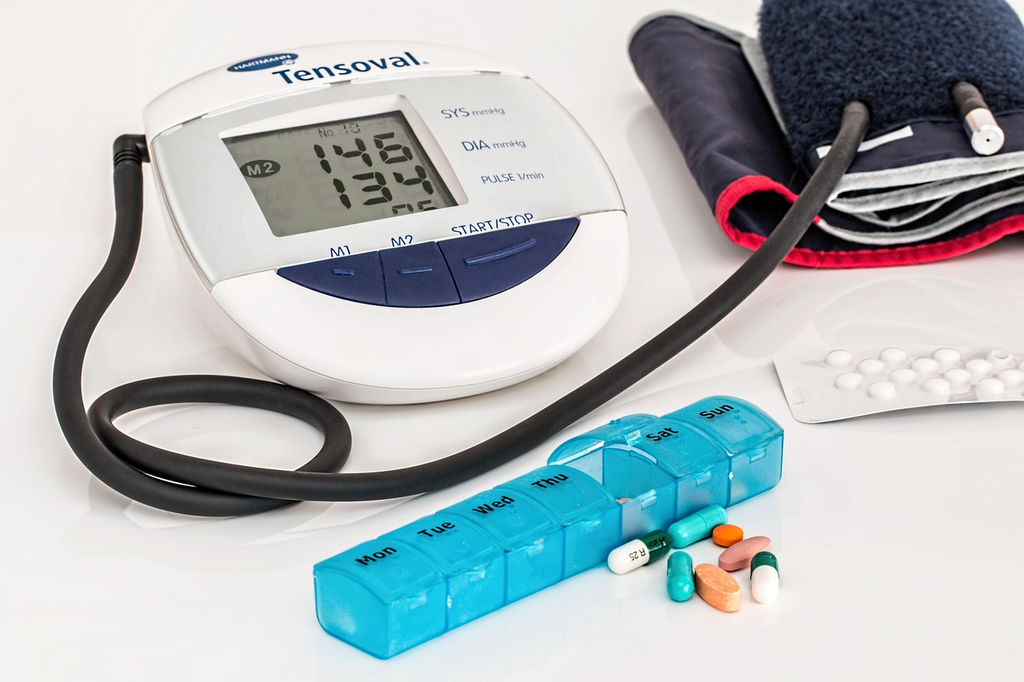
💡 Key Takeaways
- Identify the major risk factors for heart disease, including both modifiable and non-modifiable factors.
- Explain how lifestyle choices such as diet, physical activity, smoking, and alcohol use influence heart disease risk.
- Understand how risk factors interact and accumulate over time, and the role of genetics and age.
- Describe practical steps to reduce risk through screening, treatment, and healthy habits (diet, exercise, weight management, and blood pressure/cholesterol control).
❓ Frequently Asked Questions
What are common risk factors for heart disease?
Common risk factors include non-modifiable: age, family history, and sex; and modifiable: high blood pressure, high cholesterol, smoking, diabetes, obesity, physical inactivity, and an unhealthy diet or excess alcohol.
Which risk factors are non-modifiable?
Non-modifiable factors you can't change: older age, a family history of heart disease, and gender.
What lifestyle changes can reduce heart disease risk?
Stop smoking, eat a heart-healthy diet, exercise regularly, maintain a healthy weight, limit alcohol, and manage blood pressure, cholesterol, and blood sugar.
Why is screening important for heart disease risk?
Regular checks help detect high blood pressure, cholesterol, or blood sugar early, so you can lower risk with lifestyle changes or medications.