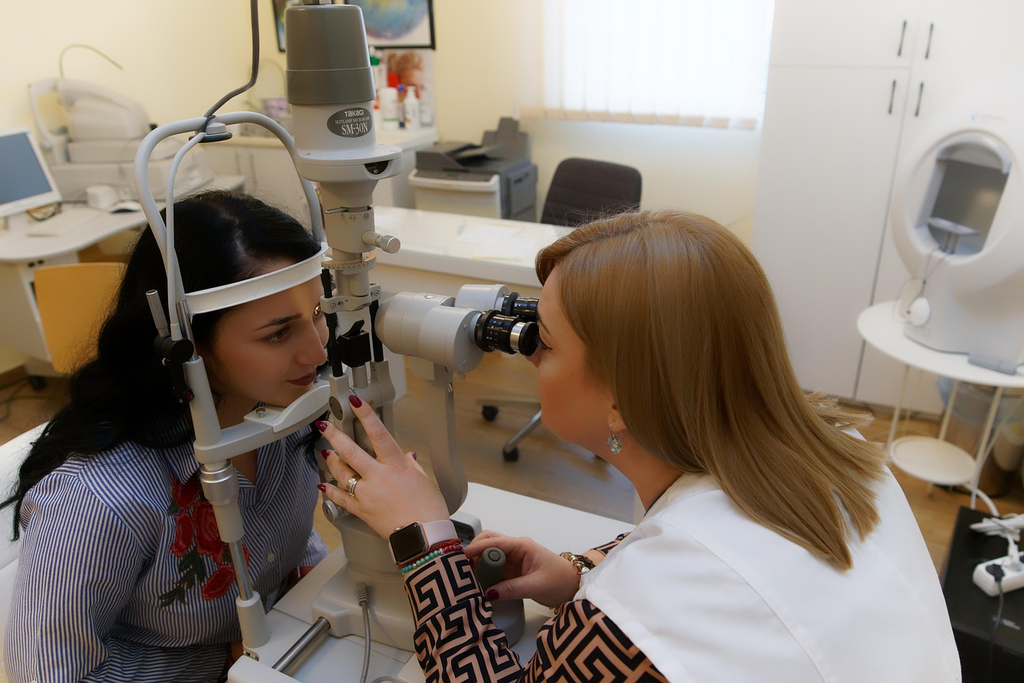
Heart failure signs are the body's warning signals that the heart isn’t pumping blood effectively. In the eyes, this may show as swollen eyelids, blurry vision, or bulging veins. For the heart, common signals include chest pain, shortness of breath, rapid or irregular heartbeat, unexplained fatigue, and swelling in legs or ankles. Recognizing these body signals early can help in timely diagnosis and treatment of heart failure.
Heart Failure Signs
Heart failure signs are the body's warning signals that the heart isn’t pumping blood effectively. In the eyes, this may show as swollen eyelids, blurry vision, or bulging veins. For the heart, common signals include chest pain, shortness of breath, rapid or irregular heartbeat, unexplained fatigue, and swelling in legs or ankles. Recognizing these body signals early can help in timely diagnosis and treatment of heart failure.

💡 Key Takeaways
- Recognize eye-related warning signs of heart failure, such as swollen eyelids, blurry vision, and bulging veins
- Identify common heart-related symptoms like chest pain, shortness of breath, and an unusually rapid or irregular heartbeat
- Learn how unexplained fatigue can be a signal that the heart isn’t pumping effectively
- Understand how the body’s circulation problems may show up in different areas, including the eyes and the chest
❓ Frequently Asked Questions
What are common eye signs of heart failure?
Eye-related signs can include swollen eyelids, blurry or reduced vision, and sometimes bulging or prominent veins around the eyes from fluid buildup or circulation changes.
Why can heart failure cause chest pain?
If the heart can’t pump effectively, blood and oxygen delivery to the heart muscle may be reduced, which can lead to chest discomfort or pain—especially with activity or stress.
What heart failure symptoms involve breathing and heart rhythm?
Common symptoms include shortness of breath (often worsening when lying down) and a rapid, irregular, or pounding heartbeat.
How does heart failure lead to unexplained fatigue?
When blood flow is less effective, less oxygen and nutrients reach the body, which can cause ongoing tiredness even without a clear reason.
When should I seek urgent medical help for possible heart failure signs?
Seek urgent care if symptoms are severe or sudden—such as intense chest pain, severe breathing trouble, fainting, or rapidly worsening swelling.