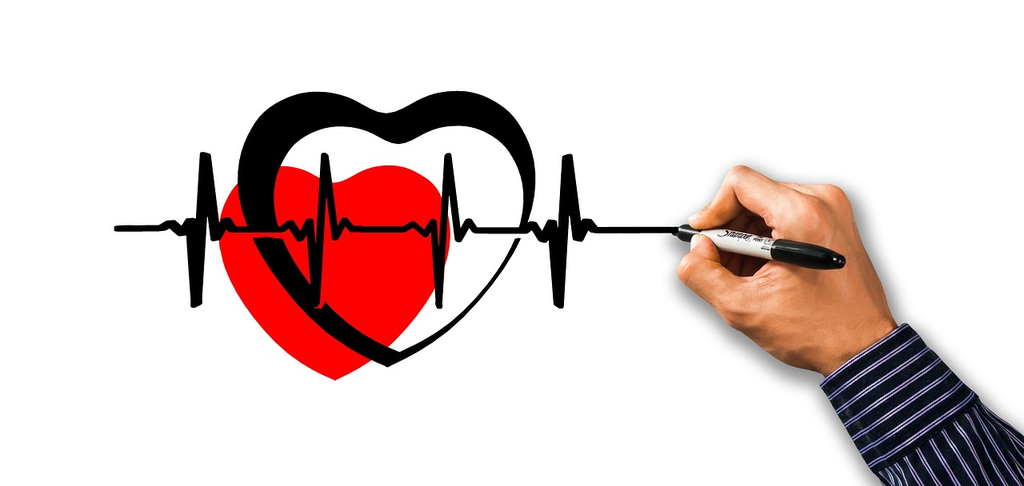
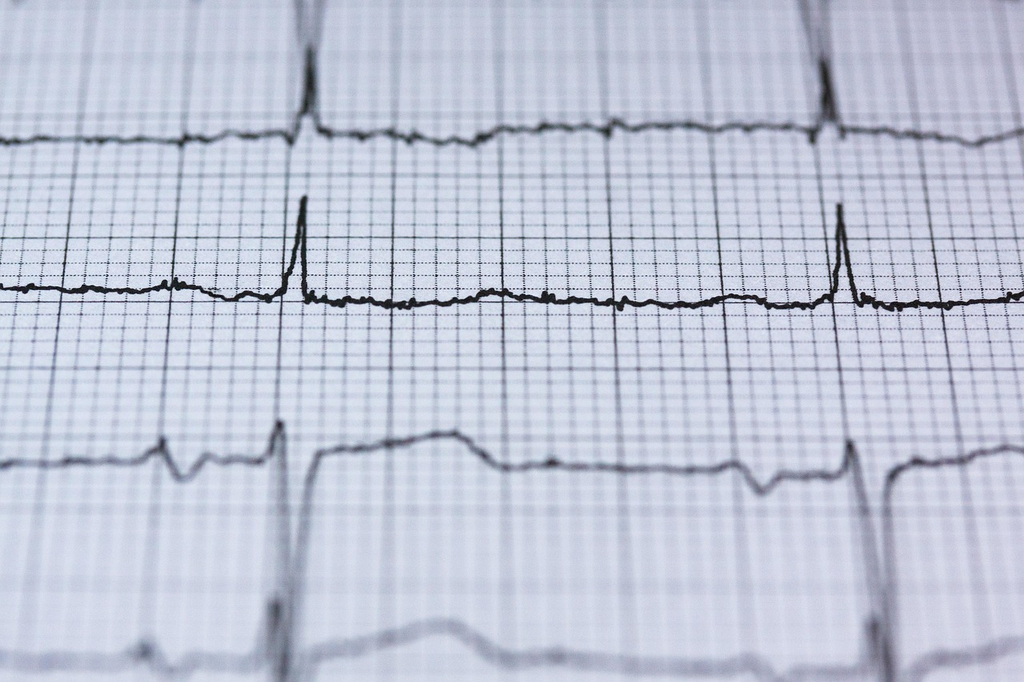
Heart health nutrition focuses on dietary choices that support the cardiovascular system, emphasizing foods rich in antioxidants, fiber, and healthy fats. The body often provides signals, such as changes in eye appearance or heart function, that reflect cardiovascular well-being. For example, yellowish deposits in the eyes or irregular heartbeats may indicate nutritional imbalances or heart issues, highlighting the importance of nutrient-dense foods like leafy greens, nuts, and whole grains for maintaining eye and heart health.
Heart Health Nutrition
Heart health nutrition focuses on dietary choices that support the cardiovascular system, emphasizing foods rich in antioxidants, fiber, and healthy fats. The body often provides signals, such as changes in eye appearance or heart function, that reflect cardiovascular well-being. For example, yellowish deposits in the eyes or irregular heartbeats may indicate nutritional imbalances or heart issues, highlighting the importance of nutrient-dense foods like leafy greens, nuts, and whole grains for maintaining eye and heart health.

💡 Key Takeaways
- Recognize how antioxidants, fiber, and healthy fats support cardiovascular (heart) health
- Learn which foods to prioritize for healthier arteries and better blood flow
- Understand common body signals—such as eye and heart changes—that may reflect cardiovascular well-being
- Identify practical nutrition habits that can help protect heart function over time
❓ Frequently Asked Questions
What is heart health nutrition?
It’s a way of eating that supports the cardiovascular system by choosing foods rich in antioxidants, fiber, and healthy fats.
Why do antioxidants matter for heart health?
Antioxidants help protect cells from oxidative stress, which can contribute to cardiovascular problems over time.
How does fiber support the heart?
Fiber can help improve cholesterol levels and supports healthy digestion, which supports overall cardiovascular wellness.
What are healthy fats, and how do they help?
Healthy fats (like those from nuts, seeds, olive oil, and fatty fish) can help support healthier blood lipids and reduce inflammation.
What “body signals” might indicate cardiovascular changes?
Some people notice changes like eye appearance or heart-related symptoms; persistent or sudden changes should be discussed with a clinician.