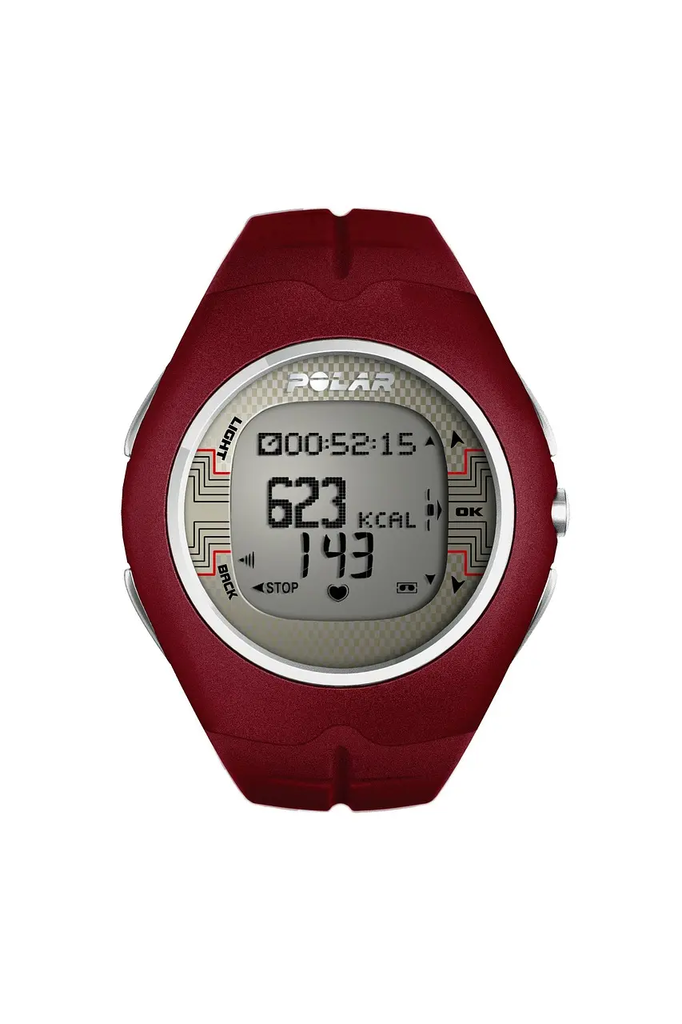
Heart rate monitoring refers to the process of measuring and tracking the number of times a person's heart beats per minute. This practice is commonly used in healthcare, fitness, and sports to assess cardiovascular health and physical exertion. Devices like chest straps, smartwatches, and fitness trackers provide real-time data, helping individuals optimize workouts, detect irregularities, and manage medical conditions by ensuring the heart rate remains within healthy limits.
Heart Rate Monitoring
Heart rate monitoring refers to the process of measuring and tracking the number of times a person's heart beats per minute. This practice is commonly used in healthcare, fitness, and sports to assess cardiovascular health and physical exertion. Devices like chest straps, smartwatches, and fitness trackers provide real-time data, helping individuals optimize workouts, detect irregularities, and manage medical conditions by ensuring the heart rate remains within healthy limits.
💡 Key Takeaways
- Understand what heart rate measures (beats per minute) and what it reveals about fitness and exertion.
- Identify common heart-rate monitoring devices (chest straps, wrist wearables) and how they differ in accuracy and comfort.
- Learn how to interpret heart-rate zones during exercise to optimize intensity and recovery.
- Recognize factors that affect heart-rate readings and tips for getting accurate measurements.
❓ Frequently Asked Questions
What is heart rate monitoring?
Heart rate monitoring is the measurement and tracking of how many times your heart beats per minute (BPM) to assess fitness, exertion, and cardiovascular health.
What devices measure heart rate, and how do they work?
Common devices include chest straps (often very accurate, using ECG) and wrist-based sensors in smartwatches or fitness bands (optical heart rate using light). Accuracy varies with movement and placement.
How do you estimate a target heart rate zone for exercise?
A rough method is to estimate max heart rate as 220 minus age, then multiply by desired intensity (e.g., 50–85%) to find the target zone. Individual factors can shift this.
What can affect the accuracy of heart rate readings?
Movement, poor device fit, tattoos, skin tone, temperature, hydration, and device placement or battery status can all impact readings.