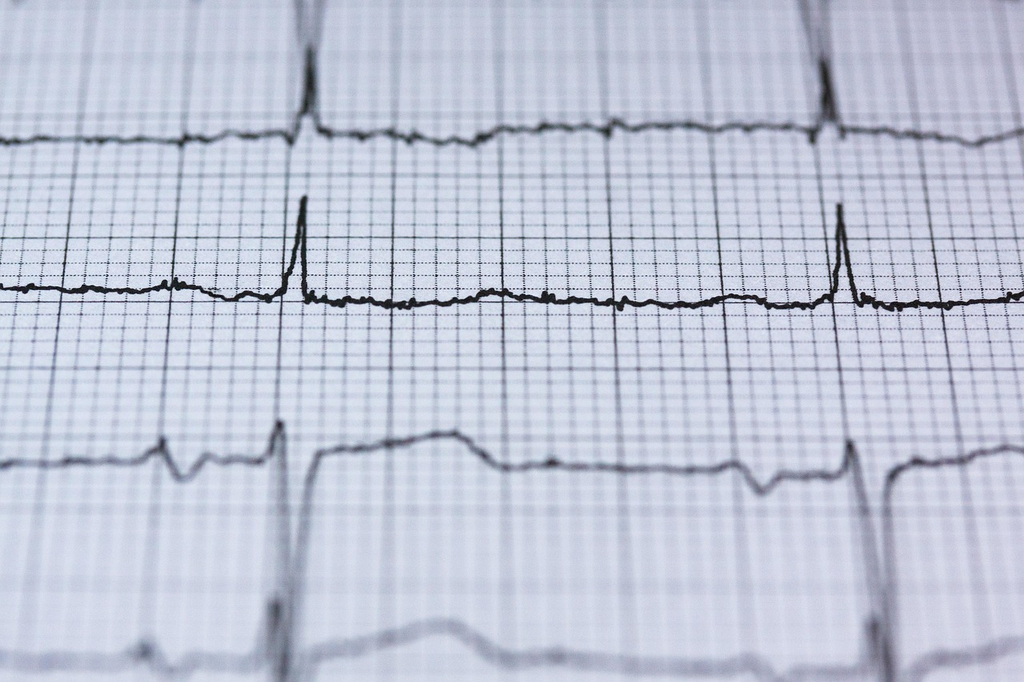
Heart rate zones refer to specific ranges of heartbeats per minute that indicate varying exercise intensities, from light to maximum effort. These zones help monitor and optimize workouts for endurance, fat burning, or cardiovascular health. Body signals, such as eye alertness and heart rhythm, can reflect how the body responds to different zones, signaling fatigue, focus, or overexertion. Understanding these signals aids in safe and effective training.
Heart Rate Zones
Heart rate zones refer to specific ranges of heartbeats per minute that indicate varying exercise intensities, from light to maximum effort. These zones help monitor and optimize workouts for endurance, fat burning, or cardiovascular health. Body signals, such as eye alertness and heart rhythm, can reflect how the body responds to different zones, signaling fatigue, focus, or overexertion. Understanding these signals aids in safe and effective training.
💡 Key Takeaways
- Identify the main heart rate zones (resting, fat-burning, cardio, peak) and their meanings.
- Learn how to estimate your maximum heart rate and set personal target zones.
- Understand how to monitor heart rate during workouts and adjust intensity.
- Explore the benefits of zone-based training for endurance, fat loss, and performance.
❓ Frequently Asked Questions
What are heart rate zones?
They are ranges of effort expressed as percentages of your maximum heart rate, used to target different training outcomes (e.g., endurance, speed, recovery).
How can I estimate my maximum heart rate?
A common estimate is 220 minus your age. More accurate methods include supervised tests or using wearables that measure peak effort.
Which zone should I train in for endurance gains?
Endurance typically improves best in Zone 2 (about 60–70% of max HR) and Zone 3 (roughly 70–80%).
What is the talk test and how does it relate to zones?
The talk test is a simple gauge: you should be able to speak in short phrases in lower zones, while talking becomes harder in higher zones.
Why use heart rate zones in a quiz or workout plan?
They help tailor exercise intensity to specific goals, track progress, and prevent overexertion.