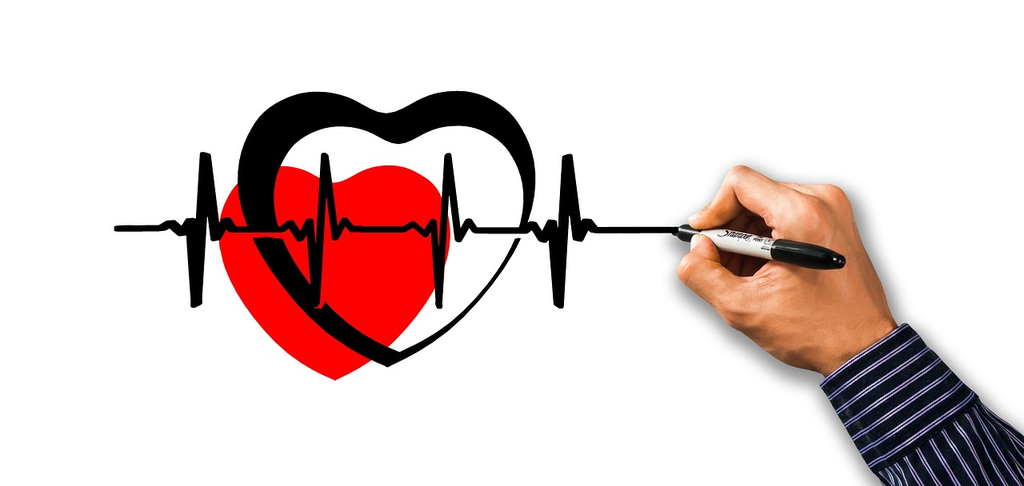
Heart Shape Recognition (Body Signals (Eyes & Hearts)) refers to the process of identifying and interpreting heart-shaped gestures or patterns made by the body, particularly using the eyes and hands to form a heart symbol. This recognition can be used in various contexts, such as expressing affection, emotion, or approval through nonverbal communication. It often involves analyzing visual cues where individuals use their hands or eye movements to create or mimic a heart shape, conveying positive feelings.
Heart Shape Recognition+50
Heart Shape Recognition (Body Signals (Eyes & Hearts)) refers to the process of identifying and interpreting heart-shaped gestures or patterns made by the body, particularly using the eyes and hands to form a heart symbol. This recognition can be used in various contexts, such as expressing affection, emotion, or approval through nonverbal communication. It often involves analyzing visual cues where individuals use their hands or eye movements to create or mimic a heart shape, conveying positive feelings.

💡 Key Takeaways
- Recognize the basic heart shape (two lobes with a point) and its symmetry.
- Identify hearts in logos, icons, and illustrations using key visual cues.
- Tell hearts apart from similar shapes like ovals, spades, or diamonds.
- Understand variations of heart shapes across fonts, styles, and cultures.
❓ Frequently Asked Questions
What features define a classic heart shape?
Two rounded top lobes meeting in the middle and a pointed bottom, with vertical symmetry.
How can you distinguish a heart shape from circles or teardrops?
Look for the two top lobes and the bottom point with a clean vertical axis; teardrops/circles lack that combination.
What should you consider when evaluating heart shapes in logos or artwork?
Consider rotation, line thickness, fill vs. outline, and whether the silhouette preserves the two lobes and bottom point.
Are there common variations of heart shapes and how do they differ?
Yes—variations include angular or geometric hearts, outlined hearts, double hearts, or rotated versions; the key cues remain the lobes on top and the bottom point.
Why might a heart shape look unusual in some designs, and how should you adapt?
Stylization or perspective can alter the silhouette; focus on the overall two-lobed top and pointed bottom to identify the heart.